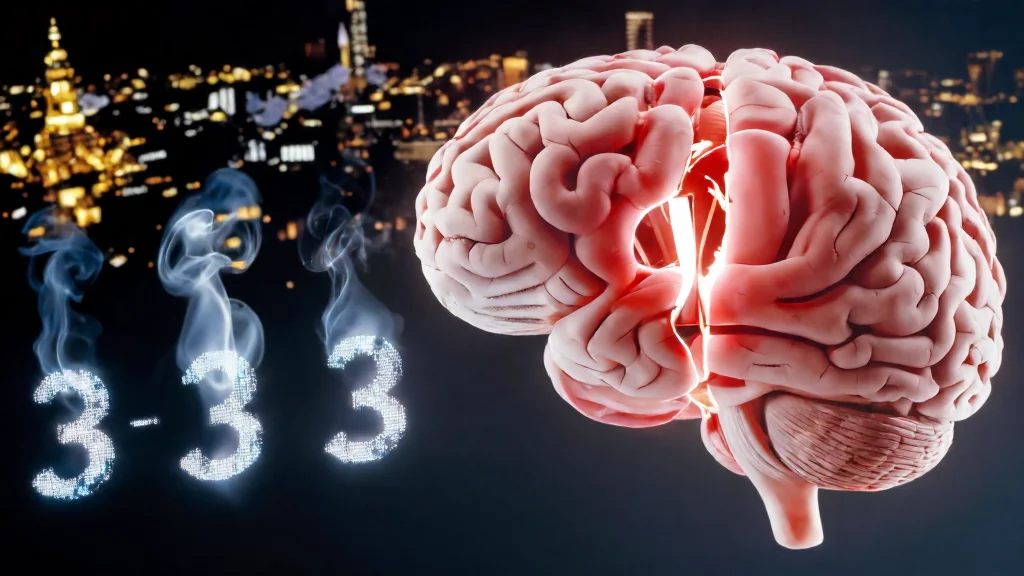
You know the feeling. It starts as a low-level background process, a subtle tickle in the UI. Then, the pressure builds in the pipes—hydraulics engaging, valves tightening. It’s the biological equivalent of a sneeze, that sudden, violent release of pressure that leaves you feeling lighter, rebooted, and strangely euphoric. But unlike a sneeze, this system override comes with a much more complex set of protocols and a very specific “danger zone” that changes how you operate.
We rarely talk about the male climax as a piece of hardware to be analyzed, but that’s exactly what it is. It’s a sequence of inputs, escalating tension, and an inevitable execution script that, once triggered, cannot be aborted. Understanding the mechanics of this cycle—from the buildup to the hard reset—doesn’t just optimize the experience; it explains why your brain feels like it’s been overclocked for a few seconds after the event.
Whether you view it as a key change in a Bon Jovi song or a cannonball fired from a too-small barrel, the sensation is universal. Yet, the mechanics behind it are often misunderstood. Let’s break down the operating system of the male orgasm.
Is the “Point of No Return” a Bug or a Feature?
You hit a specific threshold where the system stops accepting input. It’s that 3 to 4-second window where the “point of no return” isn’t just a metaphor; it’s a physiological reality. Once you cross this line, the command has been sent to the server. You can try to slow down, break rhythm, or pull out, but the system is already executing the run.exe file. Trying to stop it is what the streets call “wasting your nut”—essentially triggering the process but ruining the throughput.
This is the danger zone. It’s a rapid increase of pleasure and buildup where you have time, but not much. Some guys choose to “edge” here, riding that rapid buildup over and over with small cooldown periods, essentially optimizing their resource gathering before the final expenditure. But once the pipes are literally bursting, so to speak, there is no abort button. The software is locked in.
Why Does the Buildup Feel Like a Massage Knot?
The best way to visualize the data is to imagine a deep muscle knot during a massage. It’s not painful, but you feel the pressure—the system is tight. You know the knot is going to get untied with every stroke of the masseuse’s hands. Finally, the pressure gives with one press, and a wave of relief washes over you as the knot releases.
Now, take that same release of pleasure and pressure and locate it about 3-5 inches below the base of the penis. It starts deep, like a throbbing ache that has no pain. Imagine screwing a cap onto a toothpaste tube and rolling it up. You can feel the toothpaste moving up the tube. You know it’s about to give. You swell up. The cap pops off. But unlike the toothpaste, this comes in waves, as if the cap is getting pushed back on. That relief from the massage comparison is amplified tenfold, coming in rhythmic, trancelike pulses.
Is the Climax Just an Electric Flood?
When the release hits, it’s like a cannonball of amazing electricity getting fired out of a hole much too small for the payload. It’s a massive spike in voltage. For just a second, the user gains admin privileges—you know the secrets of the universe. It’s a feeling of, “Finally, I’m glad I exist.” It’s a moment of pure, unadulterated clarity where the RAM is cleared, and the CPU is running at 100% efficiency.
This wave isn’t just physical; it’s a chemical flood. The body feels such an ease of tension that it borders on trance-like. You might experience a tingling spasm whilst peeing thick, but the sensation is closer to a complete system flush. The input is so raw and high-bandwidth that your senses basically short-circuit from the overload.
What Is “Post-Nut Clarity”?
Immediately after the system reboot, you get the “Blue Screen of Death” logic check. This is the infamous post-nut clarity. The euphoria fades, and the background processes—crippling anxiety and self-doubt—restart their routines. You might look at the resources you just expended ($200, perhaps) and realize the ROI was terrible. You could have bought several iPhones by now.
It’s a rapid re-calibration of values. The brain dumps the dopamine and switches back to survival mode. The demon has been exorcised, and now you can focus on other things, usually mundane ones like needing a new phone or regretting financial decisions. It’s the ultimate cooldown period.
Can You Control the Slide?
Think of the whole experience as going down a slide. Once you’ve sat down and started sliding, you might physically be able to stop, but by the time you do, you’re probably already mostly finished. The fun of the slide was ruined by the friction of stopping, and there’s no climbing back up. The only place to go is down, and it isn’t going to be as fun.
You have to respect the physics. You can influence the intensity by how you handle the danger zone—going harder makes it real intense, slowing down wastes the nut—but gravity takes over eventually. The system is designed to release pressure. Fighting it is like trying to hold in a sneeze that wants to flood your brain with chemicals. You can do it, but you’re denying the system its release.
Why Does the System Reboot After?
Once the waves stop, the body doesn’t just return to idle; it crashes. “Uhhhh ohhhhhh ahhhhhh sleep.” The tingling remains, the high sensitivity lingers due to the raw input, but the desire to engage with the UI is gone. The server is down for maintenance.
Whether it lasts 5 seconds or extends into a 30-second blissful trance, the effect is the same: a total depletion of energy. You’ve run the marathon, cleared the cache, and executed the final script. The only option left is to sleep it off and wait for the system to come back online.