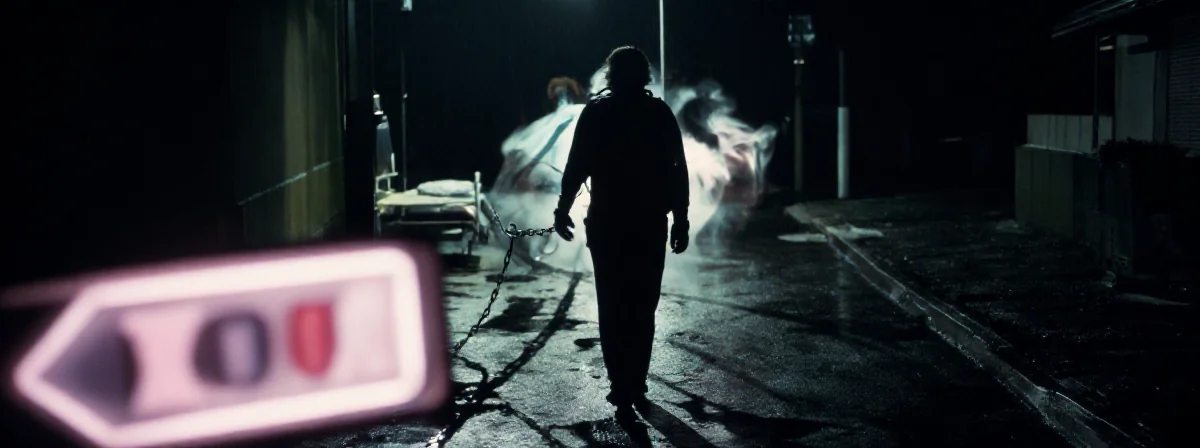
You’ve seen the scene on the street: a person standing hunched over, suddenly slouching against a wall or collapsing to the pavement. To the untrained eye, it looks like exhaustion or sudden sleep. But if you look closer, read the physical clues, the evidence points to something far more sinister. This isn’t a nap; it’s a physiological event known in the field as “the nod.” It’s the catch-22 of opiate addiction, the precise moment where the euphoria is so overwhelming that the body simply shuts down.
We need to dig deeper than the surface here. Why would someone risk their life for a few seconds of pleasure? What kind of chemical machinery is powerful enough to override the basic human instinct for survival? I’ve been looking into the case files of long-term addiction, and the findings paint a picture of a trap so intricate that escaping it feels biologically impossible. This isn’t just about bad decisions; it’s about a hijacked nervous system.
The Mechanics of the “Nod”: A Closer Look
Let’s break down the evidence. The “nod” isn’t a monolith; it has stages. The first stage is a half-awake euphoric state where users often close their eyes and surrender to the high, sometimes even while standing. You might not see it coming—one second you’re upright, the next you’re slouching on the sidewalk. But the more common version happens in private—on a couch, in a bed, or in a car. That’s why the public perception is often skewed; we only see the most visible cases.
The second stage is heavier. The user passes out completely. You’ll hear heavy breathing, maybe snoring. They are incredibly difficult to wake up. Here lies the danger zone: the thin line between a heavy nod and death. This is where acute overdose happens, caused by respiratory failure. The drug slows the heart and breathing until the brain is deprived of oxygen and shuts down. Paramedics often find people in this state, unsure if they’re looking at a sleeping body or a corpse. It’s a gamble every single time.
The Cocaine Complication: A Deadly Experiment
When you investigate these cases, you start noticing a pattern of desperate improvisation. Users hate falling asleep and missing the high. So, they introduce a stimulant into the equation—cocaine. The logic is twisted but understandable: cocaine keeps you awake through the narcotic high. But the physiological cost is astronomical.
You are essentially putting your body in a vice. While the cocaine might stave off respiratory arrest by keeping you awake, it puts 2 to 4 times the stress on your cardiovascular system. You trade the risk of stopping breathing for the risk of cardiac arrest. It’s a classic case of robbing Peter to pay Paul, and the body is the bank that goes broke. The evidence suggests this combination doesn’t solve the problem of the nod; it just shifts the fatal failure point from the lungs to the heart.
The Motive: The “Warm Hug” Theory
If the risks are so high, why go back? Especially after a near-death experience? I found testimony from someone who was brought back by Narcan five times—twice being told they were effectively gone. The motive is the feeling. They call it “a warm hug from God,” but even that feels like an understatement.
Imagine the best you have ever felt in your life, your absolute peak of euphoria. Now, imagine multiplying that by 10, or even 100. It isn’t just turning the volume up to 11; it’s breaking the knob off. The high is ineffable, a sensation that overrides logic and survival instinct. But the clue is in the duration. It’s fleeting. You might get high for 4 hours, but you’re unconscious for 3.5 of them. You spend hours chasing a few minutes of heaven.
The Prison of Withdrawal: The Other Side of the Scale
Here is where the real trap snaps shut. The high might be 10 times better than reality, but the withdrawal is 10 times worse than misery. This is the leverage the addiction holds over the victim. When the drug wears off, the user isn’t just returning to baseline; they are plummeting into a state described as the closest thing to hell a living human can feel.
Imagine the absolute worst flu, the deepest depression, and the most severe anxiety, all rolled into one and amplified. That is withdrawal. The brain’s reward system has been so profoundly reshaped that “normal” feels like agony. You are faced with a stark choice: stay in absolute misery or take a hit and instantly feel 10 times better than you ever have. It’s a rigged game. The biological drive to escape that pain becomes stronger than the fear of death.
The Declining Baseline: Tolerance as a Thief
The investigation gets darker the longer it goes on. Tolerance builds rapidly. After a couple of months, you aren’t taking the drug to feel that 10x euphoria anymore. You’re taking it just to feel “normal.” But the definition of normal keeps shifting. Your baseline drops. A hit might bring you up to 80% of what used to be your normal, but compared to the sickness of withdrawal, 80% feels like salvation.
Over years, even your best highs will be lower than your previous sober normal. The drug steals your ability to feel joy naturally. It’s a long-term heist. The evidence shows that even after quitting, it can take years to repair the neural pathways and hormonal balance. If you walk five miles into the forest, you have to walk five miles back out. There are no shortcuts.
The Verdict: Transmuting Darkness
Despite all this evidence of destruction, there is a twist in the case file. Recovery is possible, but it requires a complete reconstruction of the self. We see survivors finding joy in natural highs—music, art, connection. Some theorize that having touched that depth of darkness allows for a greater expression of light. They carry the memory of the sensation without the substance, using it to fuel creativity rather than destruction.
The conclusion of this investigation is clear. The pull of fentanyl isn’t a moral failing; it’s a physiological hijacking of staggering proportions. The drug offers a loan on euphoria at 1000% interest, payable in suffering. But the human system is resilient. With enough distance from the poison, the brain can heal. The case isn’t closed until the addict is free, but the evidence proves that escape is not only possible—it’s happening every day.