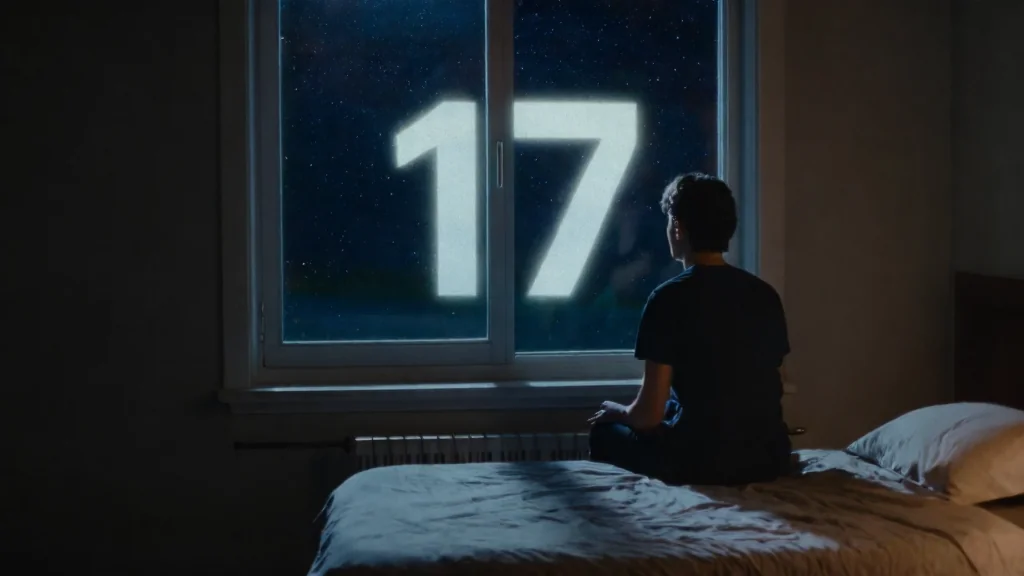
You lie awake at 3 AM, staring at the ceiling, and your brain decides to ask the one question that has no answer. Why is there something instead of nothing? It’s a maddening itch, a cognitive dead end that we all hit eventually, yet we keep scratching. We treat the unknown like a crime scene—piecing together clues, forming wild theories, and hoping that if we just look a little closer, the truth will finally reveal itself.
The Investigation
The Cure for Dread You dread, therefore you are. But here’s a lead worth following if you want to close the case on your own anxiety: Epicureanism. It sounds archaic, but this Hellenistic philosophy acts like a shield against the fear of death. The argument is simple but devastatingly effective—death is just the absence of sensation, so there’s nothing to fear. It changes the whole game when you stop worrying about the end and start focusing on the noise.
The Receiver in Your Skull Look at the biological evidence. Is consciousness a collective effort of your neurons firing in unison, or is your brain just an antenna picking up a signal from somewhere else? If it’s the latter, we’re all just tuning into a frequency we don’t understand. It explains why you can lose yourself in a thought—maybe you’re just adjusting the dial.
The Final Flight Path Take the case of Malaysian Airlines Flight 370. The wreckage is missing, but the digital footprint is damning. Forensic analysis of the pilot’s home simulator revealed custom flight paths that mirror the exact deviation the plane took over the Indian Ocean. He practiced this run. It wasn’t an accident; it was a rehearsal for a disappearance in one of the most remote radar blind spots on Earth. The only mystery left isn’t how it happened, but how a human being can orchestrate that level of finality.
The “Oh, Shit” Heard ‘Round the World You listen to the timeline of Brandon Swanson’s disappearance, and it haunts you. He’s walking through a field in Minnesota, talking to his parents on the phone, describing town lights that aren’t there, and suddenly the line goes dead. Not static, just silence. The prevailing theory is grim—he fell, went unconscious, and was hidden by the machinery of a farm or the indifference of the elements. It’s a reminder of how quickly a life can dissolve into the background noise of the world.
The Ultimate Prank We’ve spent centuries trying to decode the Voynich manuscript, treating it like an alien artifact or a lost religious text. But consider the motive. A group of monks, bored in the Middle Ages, decides to create a book of nonsense just to mess with future generations. There is no code. There never was. It’s just a centuries-old troll job, and we’re still falling for it.
Shouting into the Void That 72-second blast of radio frequency in 1977—the Wow! signal—still keeps astronomers up at night. We want it to be a greeting card from ET, but the evidence points to something more mundane. It was likely planetary radar, a burst of noise meant to track asteroids. Imagine an alien civilization picking up our random noise millions of years from now and wondering, “What the hell was that?” We’re not alone in the universe, but we might just be shouting at each other across the dark.
The Blinker Betrayal Forget space for a second. Let’s talk about the car in front of you. They don’t signal until the wheel is already turning. That’s the insult right there—they knew how to use the lever the whole time; they just chose not to until it served no purpose. It’s a small mystery, but it reveals a lot about human nature.
The Man Who Wasn’t There Everyone is looking for a ghost in the woods, but sometimes the best hiding spot is plain sight. Think about D.B. Cooper—decades of manhunts, theories, and dead ends. What if the answer is staring us in the face? Some say he’s been running a website called IMDB.com for years. It sounds absurd, but in a case this cold, the punchline might be the only thing that makes sense.
The Time Distortion Field You clicked on a video to fix a leaky sink. Three hours later, you’re watching a guy build a primitive swimming pool in the jungle. It’s not a waste of time; it’s a fugue state. You aren’t procrastinating—you’re investigating the limits of human ingenuity, one algorithmic suggestion at a time.
We chase these mysteries because the alternative is boredom. We need the void to stare back at us, whether it’s the edge of space or just the silence at the end of a phone line. So keep looking. Keep asking “why.” The moment we stop asking is the only time we’re truly lost.