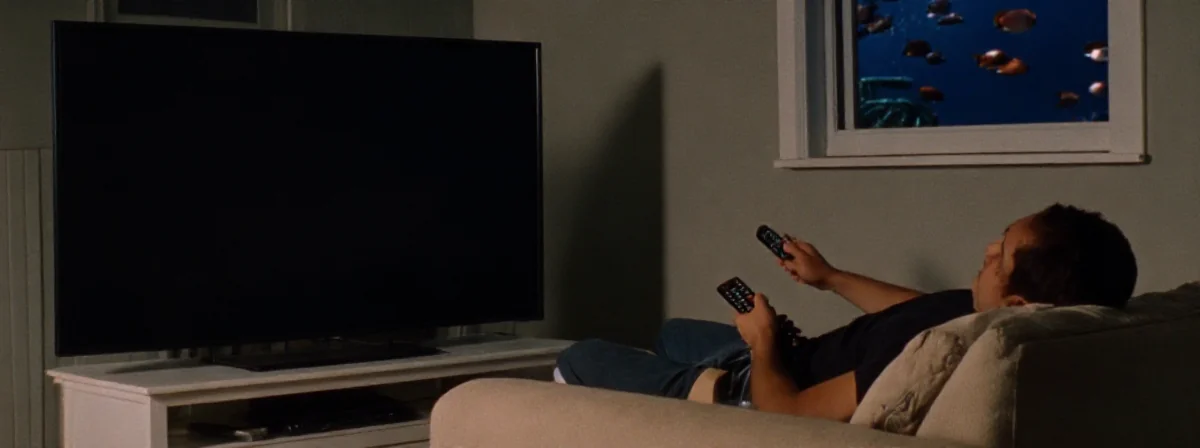
There is a specific kind of frustration that comes from settling in for a high-octane TV drama, only to find the characters stuck in a single room, arguing about something seemingly trivial. You feel cheated. You want the car chases, the explosions, the plot progression. Instead, you get two people talking in a basement. But here is the fascinating truth: those moments of stagnation are often where the real magic happens. It is a paradox of entertainment that sometimes, by doing less, a show achieves infinitely more.
We call this phenomenon the “bottle episode.” It’s a term that gets thrown around by critics and fans alike, usually accompanied by whispers about budget cuts or production delays. But to view it merely as a cost-saving measure is to miss the beautiful mechanics of narrative pressure. When you strip away the spectacle, you are left with the raw elements of storytelling: character, dialogue, and tension. It is the difference between watching a magic show and seeing how the trick actually works.
Why Does Limitation Lead to Masterpieces?
Think of creativity like a gas. It expands to fill the container it is placed in. If you give a writer an unlimited budget, exotic locations, and thousands of extras, the creativity often spreads thin, covering the surface area but rarely going deep. But when you put that same writer in a box—literally—the pressure builds. The energy has nowhere to go but inward.
This is the science of the bottle episode. The constraints force the creators to stop relying on visual crutches and start relying on the fundamentals. You see this in films like 12 Angry Men. It is nearly 70 years old, yet it remains coherent, entertaining, and intensely gripping. It takes place almost entirely in one room with twelve people. It doesn’t feel like a play; it feels like a pressure cooker. By removing the ability to cut to a new location, the filmmakers had to make every word, every glance, and every silence carry the weight of the plot.
Is It Just About Saving Money?
Let’s be honest: the origin of the bottle episode is often rooted in the wallet. Producing television is astronomically expensive. Sometimes, a show blows its entire budget on a huge season premiere or a lavish musical number, leaving the coffers empty for episode eight.
The cult classic Community famously addressed this head-on. In one instance, the production had spent a fortune securing the rights to ABBA music for a Halloween episode, and the subsequent clip show had run over budget. The solution? “Tell your disappointment to suck it. I’m doing a bottle episode.” They locked the cast in a study room with a missing pen. But here is the wonder of it: because they had to be cheap, they got inventive. They didn’t just save money; they created one of the most meta, hilarious episodes in television history by acknowledging the constraints rather than hiding them.
The “Fly” Effect: Binge-Watching vs. Weekly Release
Your experience of these episodes might actually depend on how you consume them. This is a fascinating intersection of psychology and media consumption. If you are watching a show week-to-week, a bottle episode can feel like a betrayal. You waited seven days to see… the protagonist stare at a fly?
Consider the Breaking Bad episode “Fly.” For years, it was controversial. On first watch, especially with a week-long gap, it felt like a slog. But when viewed through the lens of a binge-watch, where the narrative momentum carries you from one episode straight into the next, the episode transforms. It becomes a “calm before the storm.” It acts as a necessary pause, a deep breath that allows the tension of the overarching narrative to reset. It is a character piece that demonstrates, with painful clarity, the protagonist’s obsession—he has enough money, but he just can’t stop. You need that slow moment to truly understand the chaos that follows.
The Hidden Details Emerge in the Stillness
When the camera stops moving, your eyes start looking for other things to latch onto. This is where the “Easter egg” culture of television thrives. In a fast-paced action sequence, you miss the tiny details. In a bottle episode, you scrutinize every inch of the frame.
In that same Community episode, the entire plot revolves around a missing pen. The genius is in the execution—if you watch closely enough, you can actually see the culprit, Annie’s Boobs (the monkey), swipe the pen from the corner of the table in a split-second moment right at the beginning. It’s a reward for the attentive viewer. Similarly, in Friends, the episode “The One Where No One’s Ready” traps the cast in Monica’s apartment. Because the camera doesn’t leave, you notice the intricate comedy of Joey wearing all of Chandler’s clothes. The stillness amplifies the absurdity.
Why the Interrogation Room Is the Perfect Stage
Some of the best bottle episodes take place in the most confined spaces imaginable: the interrogation room. Brooklyn Nine-Nine nailed this with “The Box,” and Star Trek: Deep Space Nine did it with “Duet.” These episodes are essentially two-handed plays.
They strip away the sci-fi gadgets or the police procedural chases to focus entirely on the battle of wits between two characters. In Brooklyn Nine-Nine, Jake Peralta and Captain Holt spend the entire episode trying to get a dentist to confess. There are no car chases, no shootouts. Just a table, two chairs, and dialogue. And it is electrifying. It proves that you don’t need explosions to create high stakes; you just need two characters who want opposing things.
The Beauty of the Fake Clip Show
There is one final trick in the bottle episode playbook that is purely delightful: the fake clip show. Usually, a clip show is a lazy way to reuse footage and save money. But The Simpsons and Community decided to subvert this. They wrote “clip” episodes where the clips were actually entirely new animated scenes or footage we had never seen before.
It is a wonderful inside joke. It uses the structure of a budget-saving episode to tell new, weird, experimental jokes. It respects the audience’s intelligence by assuming they’ll recognize the trope being parodied. It turns a corporate constraint into a creative playground.
Constraints Are Just a Catalyst
Ultimately, the bottle episode is not about being cheap; it is about focus. Whether it is the terrifying isolation of the Doctor Who episode “Midnight” or the real-time anxiety of Ross trying to get his friends ready for an event, these episodes work because they deny us the easy way out. They force us to sit with the characters and listen.
Next time you settle in for a binge and the screen stays still, the location doesn’t change, and the plot seems to slow down, don’t reach for the remote. Lean in. You are about to see the cast and crew do their hardest work. When you take away the noise, the signal becomes incredibly clear.