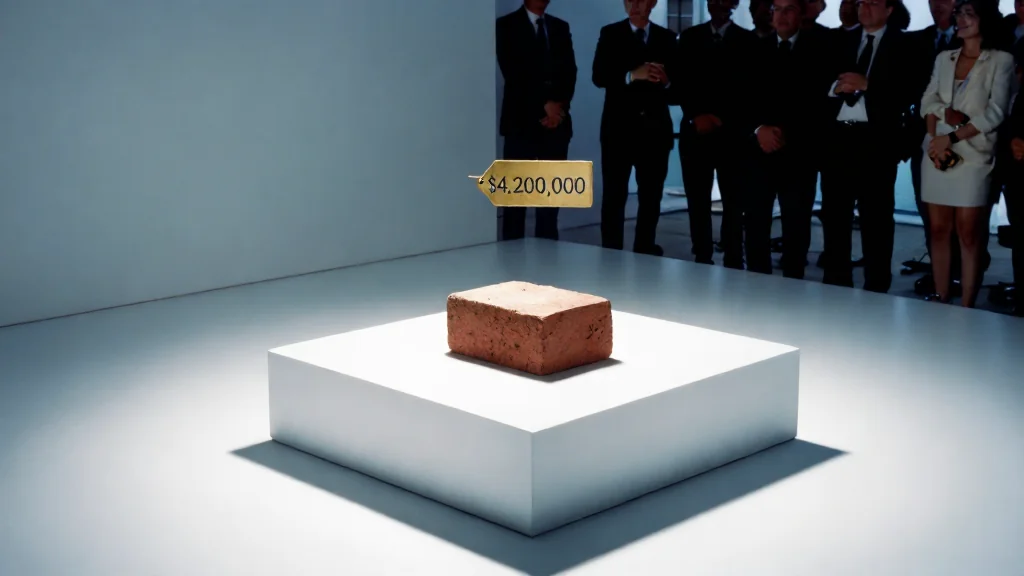
You’ve been played. The money is gone. The anger is hot in your throat, and you’re looking for something, anything, to balance the scales. That’s when you see it—a heavy, red, clay brick sitting in the corner, unassuming and waiting for a purpose. Most people in this situation would call a lawyer or the police, but you aren’t most people. You’re wondering if this brick is the key to justice, or at least a very entertaining breakdown of social order.
When the universe hands you a raw deal, you have a split second to decide whether you’re going to cry, retaliate, or get weirdly creative. You grab the brick. Let’s see where this goes.
What Happened Next
The Sonic Approach to Conflict Resolution You walk up to the person who wronged you with a smile on your face and a riddle on your lips. “Hey,” you ask, “what’s red and bad for your teeth?” They pause, mouth opening to answer, confused by the sudden change in tone. That’s the window. That’s when you introduce them to the brick. If you’re feeling particularly theatrical, you can ask what’s blue and bad for their teeth—answer: a really fast brick. It’s about speed, surprise, and the undeniable physics of a heavy object meeting a stationary target.
Call It Art and Sell It for Millions Violence is messy, but capitalism? Capitalism is clean. You take that same brick, paint a crude stick figure on the side, and sign it “Banksy.” Suddenly, you aren’t holding a construction material; you’re holding a commentary on society, a piece of post-modern irony that belongs in a gallery. Or, you could simply write the word “Supreme” on it in red duct tape. It sounds absurd, but the market doesn’t care about utility—it cares about hype. If someone is willing to pay $130 for a branded brick, let them. You aren’t the one being scammed anymore; you’re the visionary.
The $2,000 Reality Check Sometimes, the best revenge isn’t a theatrical act of violence or a meta-commentary on consumerism. Sometimes, you just keep your head down, navigate the bureaucratic maze, and manage to return the broken item for a full refund. Two thousand dollars hits your bank account. The anger evaporates. You look at the brick in your hand and realize you don’t need it anymore. You put it down. No revenge needed when you’ve already won.
The Counter-Scam If the system is rigged, maybe it’s time to rig it back. You could start a crowdfunding campaign for a homeless brick that was caught on camera giving its only slice of pizza to a stranger in need. It’s a tear-jerker. It’s viral bait. You take the cash, and you destroy the brick before it can sue you for defamation. It’s technically fraud, sure, but if they can sell you a lemon, you might as well make them make you lemonade. Or, if you’re dealing with a defective computer, you just tell the tech support agent it started smoking. They fear lawsuits more than they fear fraud.
The Gravity of Hubris There is a cautionary tale here about a scammer named Little Timmy. He sat in his room, sharp and shrewd, congratulating himself on his genius. “I’m sweet and neat and keen and quick,” he sighed, basking in his own brilliance. But Timmy got too comfortable. He forgot that for every action, there is an equal and opposite reaction. Timmy didn’t see the brick coming. And Timmy fucking died. It’s a stark reminder that confidence is often just the quiet before the impact.
The Aftermath
Isaac Newton would like to know your location, mostly because you’ve weaponized his laws of motion. Whether you throw the brick, sell it, or use it to beat yourself up for being dumb enough to get scammed in the first place, the result is the same: the scale is balanced.
You walk away from the situation, perhaps a little lighter in the wallet or perhaps significantly richer, depending on which path you chose. The brick stays behind, just an inanimate object again, waiting for the next person to decide if it’s a weapon, a masterpiece, or the solution to all their problems. It’s not about what you hold in your hand—it’s about how hard you’re willing to throw it.