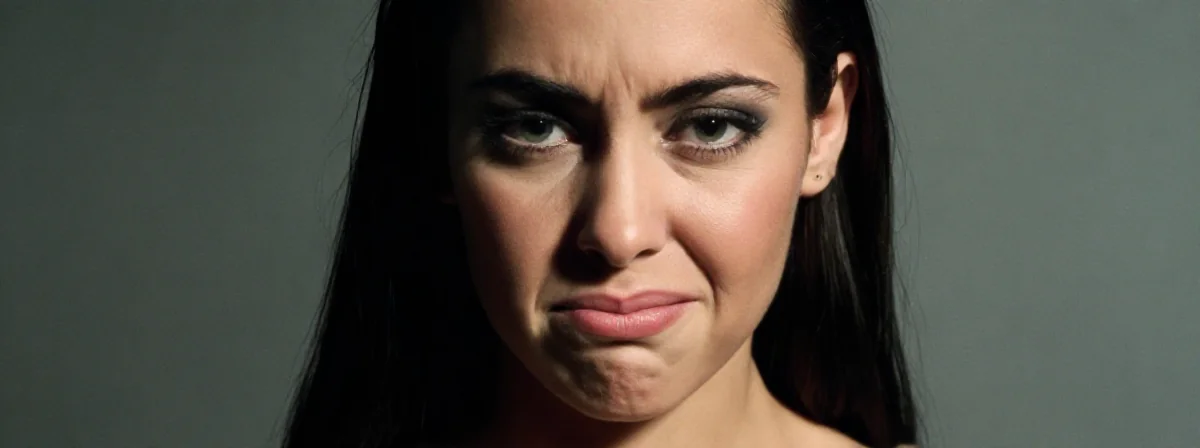
You know that feeling when you look at a stunningly attractive person, only for them to open their mouth and ruin the entire illusion? Suddenly, they don’t look like a model anymore; they look like a troll. It’s a fascinating biological glitch, isn’t it? We like to think beauty is skin deep, but reality is a lot more complicated—and a lot more judgmental. There’s a reason grandmothers used to scold misbehaving children by saying, “Don’t be so ugly,” and it turns out, they weren’t talking about your face.
We obsess over symmetry and geometry, scrolling through feeds of filtered perfection, but none of that matters if the spirit inside is rotten. You can have the cheekbones of a Greek god and the eyes of a deer, but the moment you treat someone like garbage, you transform. The exterior doesn’t actually change, of course, but the viewer’s perception warps so drastically that you might as well have grown warts. It’s a harsh reality, but beauty is a volatile currency that crashes the second the market realizes you have a terrible personality.
Does Being a Jerk Physically Warp Your Face?
We’ve all witnessed the magic trick. You’re talking to someone who, by all objective metrics, is gorgeous. Symmetrical features, great hair, the works. Then they make a nasty comment to a waiter or roll their eyes at a coworker, and boom—just like that, they’re hideous. It’s like watching a special effect in a cheap sci-fi movie where the villain’s true form is revealed. Inner ugliness has a way of leaking out until it’s the only thing you can see.
It works the other way, too. You might know someone who didn’t exactly win the genetic lottery. Maybe they have features that are a bit rough around the edges, or they don’t fit the “standard” mold we’re force-fed by Hollywood. But spend five minutes with them while they’re being kind, funny, or genuinely real, and suddenly those “flaws” disappear. They don’t matter. The warmth radiating from them acts as a filter, softening the edges until you realize they’re actually beautiful. It’s not a cliché; it’s a psychological survival mechanism.
Is It Time to Admit Most Newborns Look Like Aliens?
Can we have an honest moment here? We need to stop pretending that every baby is a cherub sent straight from heaven. Plenty of newborns look like squashed little potatoes, or worse, like they’ve seen things in the womb that they can’t unsee. I’ve seen photos of infants with heads sunken into their bodies, eyes dead and black, and mouths wide and flat like Jabba the Hut. Parents will coo over these pictures, but let’s be real: if you saw that creature crawling out of a spaceship, you’d run for the hills.
The funny part is the denial. You pull out a photo of your newborn, looking like a lumpy, yellow-skinned gremlin, and your parents fawn over it like it’s the Mona Lisa. “Oh, look at those eyes!” they say, ignoring the fact that the baby currently resembles a sentient raisin. It takes a few weeks for them to “iron out,” as one parent brilliantly put it. But that first month? We’re all just lying to each other to keep from crying.
Why Do Doctors and Parents Feel the Need to Roast Us?
If you’ve ever felt self-conscious about your nose, just be glad you weren’t in the exam room of the ENT who casually informed a patient they had a “very equine” nose. That’s doctor-speak for “you look like a horse,” by the way. It’s baffling. You go in for a medical procedure, and suddenly you’re in a roast battle with someone who took an oath to do no harm. Did he mean “aquiline”? Maybe. Did he accidentally call her masculine and horse-like in the same breath? Absolutely.
It’s not just doctors with zero bedside manner; parents often have a terrible habit of mistaking cruelty for “constructive criticism.” Offering your thirteen-year-old a nose job because there’s room in the budget isn’t helpful; it’s a character assassination. Telling your daughter she’s ugly because you value “honesty” isn’t virtuous; it’s bullying. There is a fine line between being real and being a monster, and too many people treat that line like a jump rope.
The Strange Magic of Parental Blindness
Here is the weirdest phenomenon of all: love literally alters your vision. You can look at a child who is objectively going through an awkward phase—maybe they have large gaps between their teeth or look like a skinny, angry old man—and genuinely think they are the most beautiful creature on earth. It’s a survival mechanism, surely. If parents saw their offspring with the same critical eye they use for everyone else, the human race would have died out eons ago.
I’ve looked back at photos of my own kids years later and wondered if I was hallucinating during their infancy. Was I blind? Did I just love them so much that my brain refused to process the wildebeest staring back at me? Probably. And that’s okay. That blindness protects kids when they need it most. If you treat a child like they are perfect, they don’t know they aren’t. They grow up confident, and eventually, their faces catch up to their self-esteem.
Do the Ugly Ducklings Actually Win in the End?
There is a satisfying plot twist to all of this. The kid who looked like ET coming out of the womb or had a smile that didn’t fit the “standard” often blossoms in unexpected ways. Those gaps in the teeth? Often just a sign there’s enough room for the adult teeth to come in properly. The “awkward” phase is just that—a phase. We obsess over immediate aesthetics, but beauty is a long game.
The people who were bullied for their looks or told they were “the worst of both parents” often end up being the most stunning adults, largely because they had to develop a personality that outshined their face while they waited for their looks to catch up. It’s poetic justice. The cute kids peak in high school and spend the rest of their lives trying to recapture the glory. The late bloomers? They’re just getting started.
Why Your Personality Is the Only Facelift You Need
So, where does this leave us? Beauty is subjective, fleeting, and heavily influenced by whether someone is a decent human being. You can fix a nose or straighten teeth, but you can’t surgically remove a nasty personality. The only ugliness that actually sticks is the kind that comes from the inside. If you want to ensure you age well, forget the expensive creams and start by being kind.
Think of it like a filter for your soul. If you’re kind, people see the best version of you. If you’re cruel, you’re just a troll with good lighting. The next time you worry about a flaw in the mirror, remember: the only thing making you ugly is the insecurity itself. Fix the attitude, and the face usually follows.