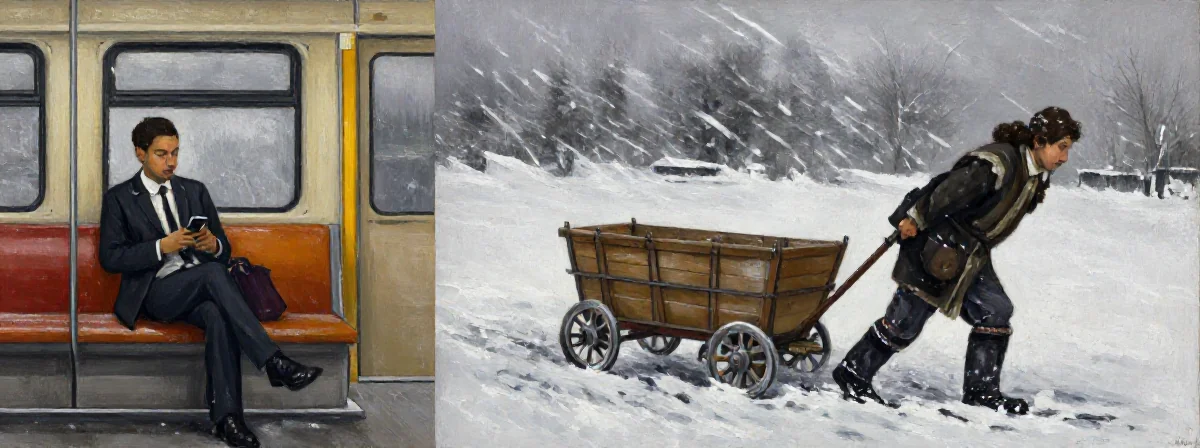
Okay, besties, pause the scroll for a hot sec. We all love to drag our mornings, right? The alarm didn’t go off, the coffee is bitter, the subway is crowded—literally the worst. But imagine waking up, checking your phone, and realizing you still have to clock in, even though there’s a non-zero chance of an explosion on your way to the office. Sounds absolutely unhinged, right? Well, for a massive chunk of the world right now, that’s just Tuesday.
We need to have a serious conversation about what actually happens when conflict breaks out. Spoiler alert: It’s not all movie-style trenches and hiding in bunkers 24/7. Real life, with all its bills, Zoom meetings, and drama, somehow keeps marching on. It’s giving resilience, but it’s also giving “I can’t believe this is real life.”
So, before you complain about your boss breathing down your neck, let’s spill some tea on what it actually means to show up for work when the world is literally falling apart around you.
Is the Zoom Call Really More Important Than Safety?
Here is a scenario that will honestly make your jaw drop. Picture this: You’re on a support call, trying to fix someone’s printer or whatever, and in the background, you hear the boom. Not a thunderstorm, not a truck backfiring—we’re talking actual air raid sirens. Do you hang up? Do you panic? Nope. You keep troubleshooting because the deadline is still the deadline.
There are stories out of Ukraine right now of tech teams handling business as usual while bombs are dropping in the distance. It sounds dystopian, like something out of a Black Mirror episode, but it’s happening. The internet doesn’t care about geopolitical borders, and apparently, neither does the corporate grind. It’s wild to think that the only thing standing between a regular Tuesday and total chaos is just… ignoring the sirens and finishing the spreadsheet.
The “Blitz” Mentality Is Very Real
If you think this is a new thing, honey, you need to check your history books. Go back to the Blitz in London during WWII. People weren’t just cowering in fear 24/7; they were going to the factories, baking bread, and yes, even going out for dinner when the all-clear sounded. It’s the same energy today in places like Kharkiv or Kyiv.
You see videos of beauticians doing acrylic nails while the air raid warnings are blaring in the background. Something goes boom nearby, the shop rattles, both women flinch for a split second, and then? Back to the cuticles. It’s not that they don’t care; it’s that they refuse to let the chaos steal every single moment of normalcy. They are reclaiming their time, and honestly? That is main character energy.
Alert Fatigue Hits Different
Here’s the psychology tea: At a certain point, the human brain just gives up on being terrified 24/7. It’s called alert fatigue, and it explains how people normalize things that should absolutely never be normal. You hear a siren enough times, and it just becomes background noise, like a neighbor mowing their lawn or a construction crew down the street.
You end up in a situation where “abnormal” becomes the new baseline. People in war zones aren’t necessarily braver than anyone else; they’ve just adapted to a reality where the threat is constant, so they have to compartmentalize to survive. They go to the park, they walk the dog, they grade 7th-grade social studies papers (yes, even in active conflict zones, teachers are out here grading). It’s a coping mechanism, sure, but it’s also the only way to keep the mental ship from sinking completely.
The Banks Don’t Care About Your Crisis
Let’s get real about the economics, because this is where it gets messy. Society collapses if people stop working. Period. Full stop. The cows need milking, the power plants need monitoring, and yes, the rent is due. The tax man and your landlord do not care about the war. They want their coin, and they want it on time.
There are wild stories out of Sri Lanka, for example. After a massive bombing devastated the Central Bank headquarters, killing dozens and destroying the building, the staff voluntarily showed up at a temporary office the very next day. Why? To reassure the financial system. That is dedication. Even in Iran, you have pharmacists sleeping in their stores because they sent their families away but the shop still needs to open. The grind truly never stops, even when the world is on fire.
Why “Life Goes On” Is the Ultimate Defense
Here is the hard truth we all need to swallow: If everyone stops, the society collapses faster than the war can spread. Going to work, sending your kids to school (even if it’s in a subway station for safety), and keeping the economy moving is literally the last line of defense. It’s a giant “nope” to the forces trying to destroy everything.
Ukraine actually paused mortgage payments during martial law because they get it—they know you can’t pay if you’re hiding in a basement. But the work still has to happen. Whether you’re fighting on the front lines or keeping the supply chain moving back home, everyone is part of the machine. It’s a bleak way to look at it, but keeping the economy running is a form of warfare in itself.
Normalcy Is an Act of Rebellion
At the end of the day, carrying on with your daily routine amidst chaos isn’t just about paying bills; it’s about holding onto your humanity. It’s the ultimate flex against the people trying to terrorize you. They drop bombs to destroy your spirit, but you still get your nails done and show up for the Zoom call? That’s how you win.
So next time you’re spiraling because your latte was wrong or the train was late, take a deep breath. We’re out here living a luxury compared to what’s happening in active conflict zones. It puts things in perspective, doesn’t it? Life goes on, not because it’s easy, but because it has to. And honestly? That is the most resilient thing I’ve ever heard.