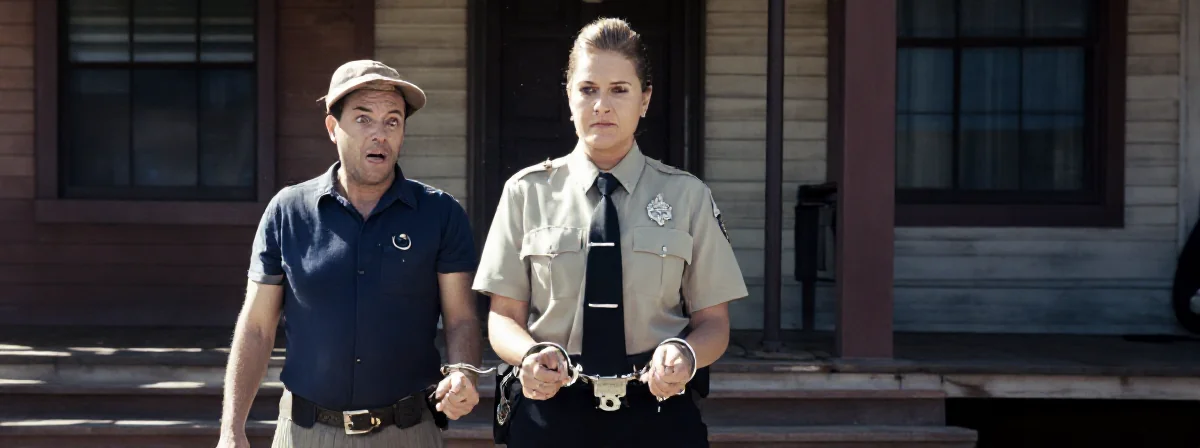
You walk into a voting booth, look at the ballot, and see a name for Coroner. You probably think you’re voting for a doctor, someone with a scalpel and a lab coat who stares at slide samples all day. You aren’t. In many jurisdictions, you’re actually voting for the only person in the county legally empowered to put the Sheriff in handcuffs. It sounds like a plot twist from a paperback thriller, but the logic is buried deep in the fine print of local history.
The system is designed with a specific kind of suspense in mind—checks and balances that play out like a cold case file.
The Evidence
The Coroner is the Sheriff’s kryptonite It sounds like a conflict of interest, but it’s actually a safeguard. In places like Indiana, specific statutes dictate that if a warrant is issued for the Sheriff, the Coroner is the one who must serve it. They even take custody of the county jail and the prisoners while the Sheriff is locked up. The law is written to prevent elected officials in the same county from going to war with one another for political gain. You need someone independent to slap the cuffs on the top cop.
You’re voting for the “Mayor of the Morgue” Stop picturing scalpels and autopsies. The Coroner is primarily an administrator, a bureaucrat who manages the budget and oversees the facility. The actual medical examinations? Those are handled by Medical Examiners or pathologists who are hired staff. You aren’t voting for a surgeon; you’re voting for the CEO of death. They handle the public funds, so the theory goes that the public should handle their employment.
The “Corona” is a direct line to the Crown Look at the etymology of the job title—it comes from corona, or crown. Historically, this office was designed as the Crown’s independent agent, sent into rural counties to investigate deaths and estates. In small towns where the Sheriff, the judge, and the mayor are all cousins or golf buddies, you needed someone from the outside to certify the truth. The Coroners were the original auditors of the grave, ensuring local power couldn’t cover up a suspicious death.
It stops the police from marking their own homework If a Sheriff or a Police Chief could appoint the Coroner, the potential for corruption is obvious. Imagine a death involving police misconduct—the last person you want investigating is someone who owes their job to the department involved. By making the Coroner an elected position, the system attempts to sever that tie. The Coroner answers to the voters, not the badge, which theoretically makes them an adversarial force when justice demands it.
In small towns, the job is mostly logistics There’s a misconception that “Creepy Joe the Bodyfucker” can get elected and run wild. That’s not how the paperwork works. In rural areas where there isn’t a full team of pathologists on standby, the elected Coroner contracts the actual autopsies out to neighboring municipalities. They show up, confirm the person is dead, and ensure the logistics are handled. They’re the gatekeepers of the process, not necessarily the ones holding the knife.
Case Closed
The next time you see that name on the ballot, don’t ask yourself if they’re a good doctor. Ask yourself if they’re the kind of person who would arrest a Sheriff if they had to.
You aren’t hiring a pathologist; you’re hiring a check on power. In a system designed to keep anyone from becoming untouchable, the Coroner is the final piece of insurance.