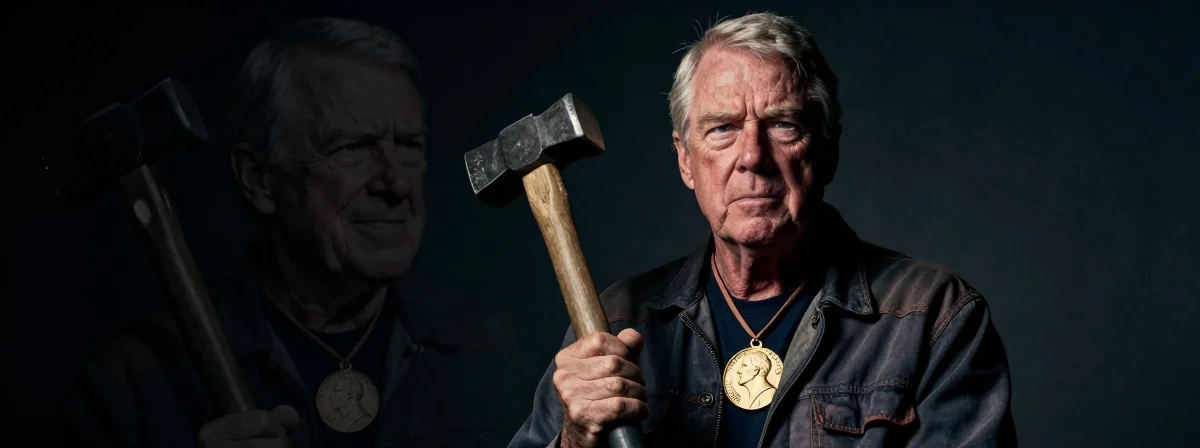
They sold you a picture of a gentle peanut farmer in a cardigan, a man of peace who just wanted everyone to get along. It’s a comforting story, isn’t it? But comfort is usually a trap. If you look past the Nobel Peace Prize and the habitat for humanity photo ops, you might notice the fingerprints of a Cold Warrior who played the game better than anyone. The history books are lying to you… or at least leaving out the parts that would make you question everything.
What They’re Not Telling You
The Nuclear Wolf in Sheep’s Clothing You’ve been told Carter was “weak” on the Soviets, a softy who couldn’t stand up to the Kremlin. Don’t believe it for a second. While the media mocked his sweaters, he was quietly overseeing the largest expansion of nuclear weapons delivery systems since the 1950s. We’re talking Trident submarines, the B-2 stealth bomber, the MX missile—Carter built the arsenal. Reagan just walked in, took the credit, and acted like the tough guy. The “peace” President armed the world to the teeth.
Clean Hands, Dirty Wars Here is the trick they don’t want you to see. If you don’t drop the bomb yourself, you can claim you kept the peace, right? Carter knew this better than anyone. He didn’t need to invade; he just wrote the checks. He funneled massive support to the Indonesian army while they committed genocide in East Timor. He engineered support for the Khmer Rouge and the Mujahideen drug lords who would eventually become the Taliban. You don’t have to pull the trigger to kill your enemies—you just have to pay the people who will.
The Shah and the October Surprise Why did the Iran hostage crisis really happen? It wasn’t just bad luck. Carter granted asylum to the Shah of Iran—a dying dictator—for “medical treatment,” allegedly on the direct request of Henry Kissinger. That decision lit the fuse. The embassy seizure wasn’t random; it was a reaction to a move Carter knew was risky. Was it a mistake, or was it a calculated step to keep the conflict machine running? The Shah’s family still lives in a mansion in Connecticut, by the way. Funny how that works out.
Eagle Claw and the Myth of Incompetence They want you to remember the burning helicopters in the desert. Operation Eagle Claw—the failed hostage rescue mission—is the punchline to a joke about Carter’s weakness. But look at the facts. He authorized a military incursion into a sovereign nation’s capital to rescue civilians. That’s not pacifism; that’s aggression. The mission was scrubbed before the crash due to a sandstorm, killing eight brave men. The narrative of “weak Carter” is too convenient. It hides the reality that he was willing to send in the guns.
The Ultimate Cover-Up Why does the establishment suddenly love him now? Maybe because he was the perfect distraction. When you compare him to the open brutality of Bush or the drone strikes of Obama, Carter looks like a saint. That’s the scam. They lower the bar so far into the mud that a man who funded death squads and built nuclear stockpiles looks like the “moral option.” It’s not about who is good; it’s about who is best at hiding the bodies.
The Truth Is Out There
Stop looking at the labels they hand you. “Peace Prize” and “War Criminal” aren’t mutually exclusive in the game of geopolitics. Carter wasn’t a weak leader who failed; he was a competent operator who understood that true power is exercised in the shadows. The sweater was just a costume. The real question is… what are the current Presidents hiding behind their smiles?