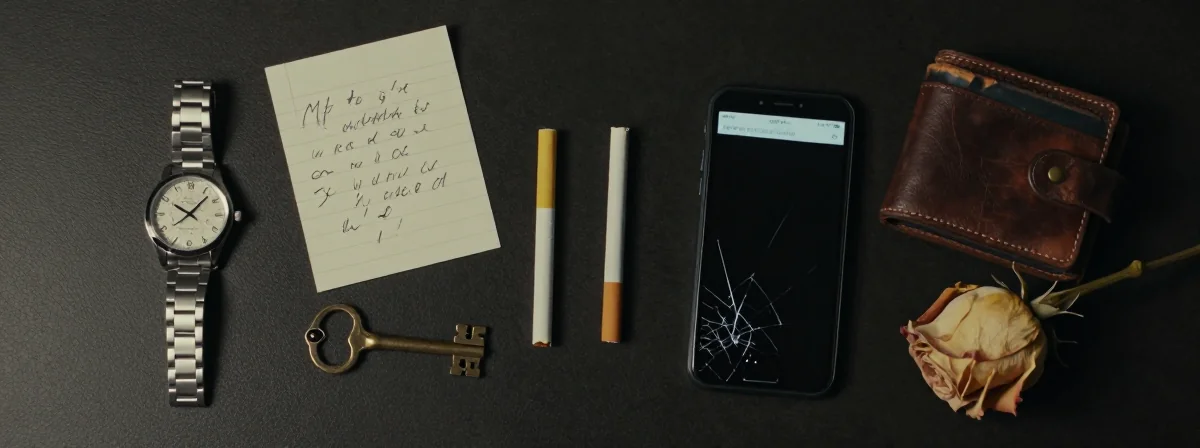
You meet someone, and they seem charming. They say the right things, look the part, and shake your hand with a firm grip. But then the mask slips—just for a second—and you see something ugly. That tiny moment tells you more than a year of polite conversation. It’s not about the grand gestures; it’s about the evidence they leave behind when they think no one is watching.
I’ve been looking into this for a long time, trying to figure out what separates the trustworthy from the frauds. The evidence points to a few specific behaviors that act as a litmus test for character.
What I Found
The Waiter Test is the ultimate lie detector. Watch how they treat the person bringing their water. If they are polite to you but dismissive to the service staff, that’s a major red flag. It shows they only perform kindness when there’s something in it for them—like a promotion or a date. One candidate even turned down a job because the interviewer was rude to a waitress, realizing that if he abused power when he had a little, he’d be a tyrant with a lot.
They admit fault without twisting themselves into knots. Most people will shift blame, deflect, or hide behind excuses when things go wrong. But the ones who instantly own their mistakes? They move up in my estimation immediately. It’s rare to find someone who doesn’t try to redirect blame, but fixing the problem is always faster than defending the ego.
Defending someone who isn’t in the room. It’s easy to join the mob when a group starts gossiping, but it takes real backbone to shut it down. When someone steps in to defend a person who can’t defend themselves, that is evidence of a solid moral compass. They aren’t just following the crowd; they are steering it.
Correcting in public is a sign of weakness. A true leader pulls you aside to address an issue, preserving your dignity. Praise in public, correct in private—it’s a simple rule that many bosses ignore. If they make a scene in front of the team, they aren’t coaching you; they’re using your mistake to make themselves feel big.
They use their turn signal. It sounds ridiculous, but it matters. It shows they care about the collective flow of traffic, not just their own destination. It proves they think about you, not just them.
Reaction to the vulnerable is a litmus test. Watch them around a crying child, a stray dog, or an elderly person struggling with groceries. Empathy isn’t a performance; it’s a reflex. If they get impatient or cruel when someone is in distress, you’ve found the crack in the armor.
Having a spine when it costs them something. It’s easy to have opinions when everyone agrees with you. The real test is what happens when the crowd turns. I respect the person who defends their thoughts without stepping on others, or who steps in to help a stranger getting bullied even when they have nothing to gain. It’s the ability to stand alone that proves their principles are real, not just accessories.
Final Findings
We often look for grand gestures to prove someone’s worth, but the truth is usually hiding in the margins. It’s found in how they apologize, how they tip, and how they speak when no one can hear them. You don’t need a background check to see who someone is—just watch where they look when the pressure is on. The clues are always there if you’re willing to see them.