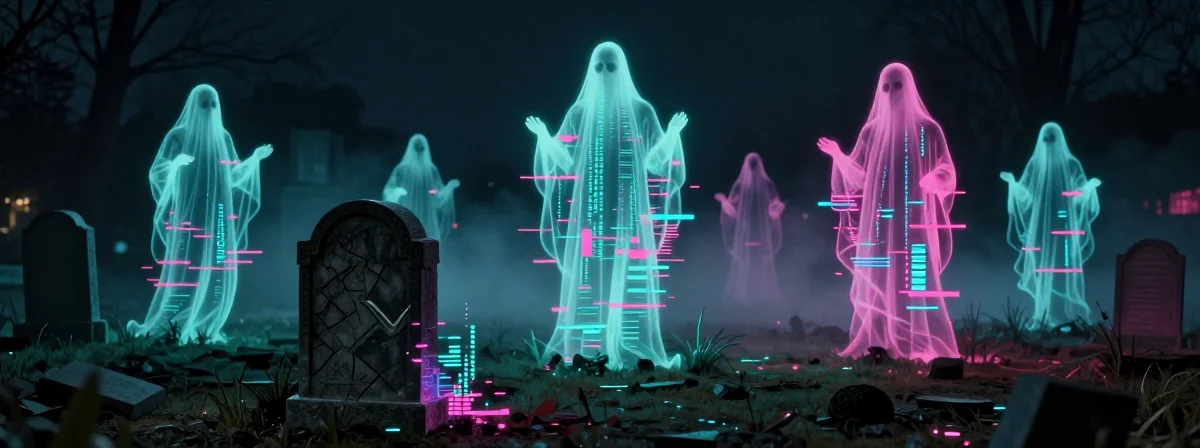
You’ve noticed the glitch. Those strange, absurdist text snippets—the ones that look like ancient code from the chaotic early web—are suddenly flooding your feed again. It feels familiar, doesn’t it? Like a memory that shouldn’t be there. But you have to ask yourself: why is the past resurfacing right now? It’s not just a wave of nostalgia; it feels orchestrated.
The Pattern Emerges
It’s Not A Joke, It’s A Signal They want you to believe this is just a long-standing absurdist character, a relic of digital culture from years ago. But look closer. Absurdity is the perfect camouflage. It hides in plain sight because you’re trained to dismiss it as nonsense, making it the ideal vehicle to test what you’ll engage with. When you laugh, you stop questioning.
The Timestamps Don’t Lie You might think this is a trend, but the dates tell a different story. The top hit? 2019. The others? Likely the same. You aren’t seeing a wave of new creativity; you’re witnessing a curated replay of history. They are banking on you not checking the fine print.
The Machines Are Farming Your Attention This is where it gets uncomfortable. Seeing three of these posts back-to-back isn’t random luck—it’s a pattern. It’s automated farming. Bots are scraping the archives for the most potent, reaction-inducing fragments of the past to feed the algorithm. They aren’t creating; they are mining our collective nostalgia to keep us scrolling, ensuring we never look up from the screen long enough to notice the manipulation. We’re just data points in a replay loop.
If they can recycle the past this easily, are you sure anything you see today is actually real?
We’ve lived through this chaos once before, and now we’re forced to endure the rerun. The content is stale, but the control is fresh. Don’t just scroll—ask why they want you stuck in the loop.