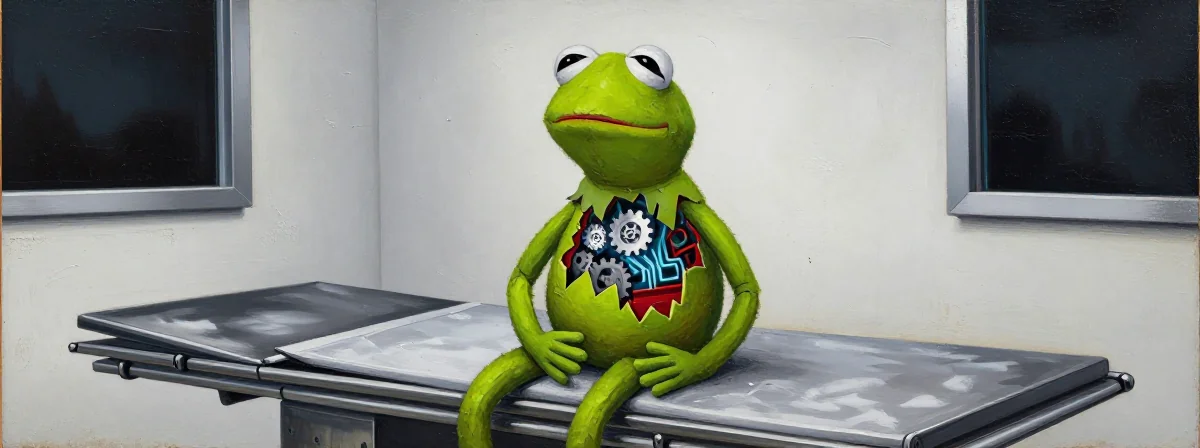
Grab your tea, bestie, because we need to talk about the absolute state of the Muppets. You know that weird feeling you get watching the new stuff? Like, it looks right, the voices are there, but your soul just isn’t buying it? Well, Frank Oz—the literal legend behind Miss Piggy and Yoda—is finally spilling the tea, and he is not holding back. At 81 years old, this man is done with the corporate nonsense, and honestly? We are living for it.
It’s not just “kids these days” or us getting old and cranky. There is a genuine, calculated shift happening in entertainment, and the Muppets are the perfect case study. We’re talking about the clash between raw, chaotic creativity and the soulless machine that is modern media. It’s a battle for the heart of pop culture, and the suits are winning.
For those sleeping on the credits, Frank Oz isn’t just some random guy yelling at clouds. He’s the creative genius who gave us Miss Piggy’s attitude, Fozzie’s heart, and directed absolute bangers like What About Bob?. He was the police officer in Trading Places telling Dan Aykroyd he’s looking at two to five years minimum. The man has range. So when he says the current era of Muppets feels “soulless,” you better believe he knows what he’s talking about.
Is Frank Oz Actually A “Nightmare” To Work With?
Here’s the thing about corporate giants—they love a “yes man.” The moment someone speaks up or demands quality, they get labeled “difficult” or a “nightmare to work with.” But let’s be real: not blindly following terrible orders isn’t a personality flaw; it’s a backbone. If sticking up for artistic integrity makes you a nightmare, then sign us up for the horror show.
We need to stop letting the worst people do the thinking for us. The narrative that you should just shut up and color inside the lines is exactly how we end up with bland, beige content. Frank Oz isn’t being difficult; he’s protecting a legacy. He remembers the days when Jim Henson and the crew would throw stuff at the wall to see what stuck. It was messy, it was rough, but it was magic. Now? It’s just a product.
Why Does Everything Feel So Fake Now?
You know that “uncanny valley” feeling, but for vibes? That’s the Disney over-optimization effect. Everything is so polished, so tested, and so safe that it feels like plastic. They’ve fallen into a hole where the product doesn’t feel organic anymore—it feels clunky. And the worst part? We keep gobbling it up because they’ve trained us to.
Disney hates improvising because something might be said that’s considered “off brand.” But here’s the kicker: it’s not live TV! They could edit the “weird” stuff out if it didn’t work, but they’re too scared to even let it happen. It’s the death of creativity by a thousand focus groups. They found a money-printing formula: play it as safe as possible and coast on the name. Why change it when the checks keep clearing?
The “Hidden Talent” Lie That Ruined The Message
Let’s get specific about why the newer content hits different. Remember that Jason Segel Muppet movie? Cute, right? But the ending made me want to barf. The big moral was “everyone has some hidden talent!” Stop right there. That is the most un-Muppet message possible.
The classic Muppet truth was way more wholesome: most of them are profoundly untalented, and that is okay! You don’t have to be great at something to be loved and accepted. That was the whole point. Kermit isn’t a great singer; Animal is a chaotic drummer; Gonzo is… whatever Gonzo is. But they were family. Twisting it into “everyone is secretly special” just feels like another corporate self-esteem seminar. It misses the point of being a lovable loser.
The Death of Chaos and Counterculture
Back in the day, the Muppets were forces of counterculture. They were underdog weirdos fighting for art and expression against forces of conformity. They had space to be plain weird, awkward, and even sometimes boring. That’s where the magic lived—in the rough edges.
Now, everything is so hyper-optimized for short attention spans that there’s no room to breathe. We’re so obsessed with keeping kids engaged that we forgot to let them feel anything real. Shows like Bluey prove you can still be emotional and silly without being formulaic, so why can’t the Muppets? Instead, we get content that feels like it was designed in a lab to sell toys and keep you scrolling.
Why We Need The Weirdness Back
It’s wild to think that a neighborhood full of felt puppets felt more real than the 4K HDR versions we have today. Seeing the textures in high-def is cool and all, but if the soul isn’t there, who cares? Frank Oz wants the gritty, improvisational spirit of Meet the Feebles (okay, maybe not that chaotic, but you get the vibe) and Disney wants to sell you a safe, sanitized Sesame Street.
The culture has shifted, sure, but that doesn’t mean we have to accept mediocrity. We’re seeing the same “smoldering crater” energy across almost every major Disney IP. They took the original magic, put it through a corporate filter, and served it back to us lukewarm. It’s time to stop accepting the “soulless” product just because it has the logo on it.
The Verdict on the Muppet Drama
At the end of the day, this isn’t just about puppets. It’s about the fight to keep art human. Frank Oz is out here fighting the good fight, reminding us that mistakes, awkwardness, and weirdness are essential parts of life. You can’t focus-group your way to a soul.
So the next time you turn on a “new” classic and feel that little pang of disappointment, trust your gut. It’s not you. It’s the machine. And maybe, just maybe, if we stop letting the suits dictate the culture, we can get back to making art that actually matters. Until then, I’ll be over here rewatching the classics, where the jokes landed and the felt felt real.