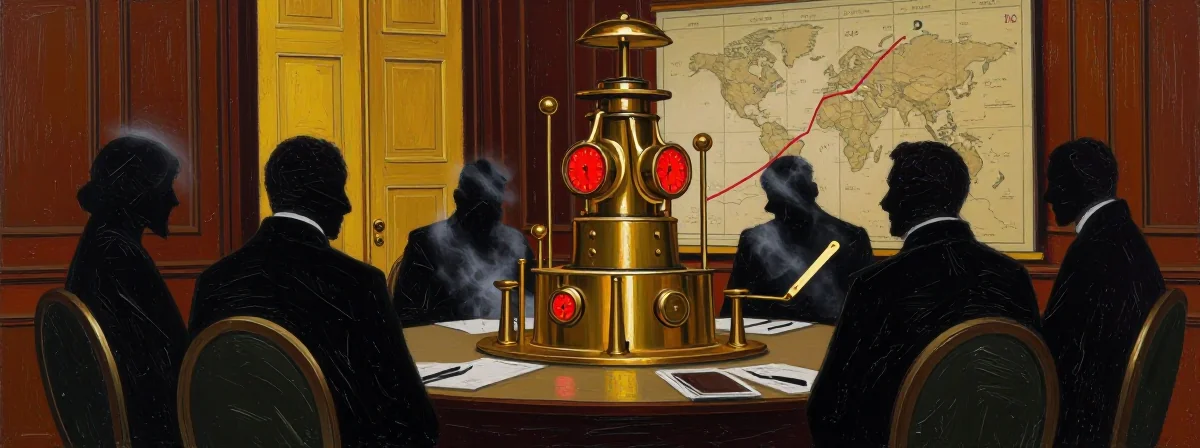
You know that distinct feeling of betrayal when you open an app to order a car and the price has tripled because it’s raining? That is basically the entire global economy, but instead of rain, the excuse is a meeting in a fancy hotel room in Vienna. We like to think the price of oil is determined by the invisible hand of the market, but mostly it’s determined by a very visible, very rigid handshake between a few guys who definitely aren’t looking out for your wallet.
It turns out the energy sector isn’t a free-for-all; it’s a rigged game of Monopoly where one player owns both the bank and the dice.
Here’s the Deal
It’s Not a Meeting, It’s a Hostage Negotiation Imagine a potluck dinner where everyone brings a dish, but the guy hosting the party decides how much everyone is allowed to eat. That’s OPEC. The member countries get together, lie about how much oil they can actually produce, and then agree to limit supply so the price stays high. They look at last year’s numbers, argue about whose turn it is to take a hit, and ultimately decide that “less is more” as long as “more” means billions of dollars. It’s less “economic summit” and more “organized crime syndicate,” but with better catering.
Saudi Arabia Is the Regina George of the Group
There’s a reason Saudi Arabia is the de facto leader of this club: they have the biggest reserves and the cheapest production costs. They are the “swing producer,” which is a fancy way of saying they have the capacity to ruin everyone’s day if they don’t get their way. If other countries try to cheat or produce too much, Saudi Arabia can simply open the taps, flood the market with cheap oil, and crash the price so hard that expensive producers go bankrupt. They hold the carrot and the stick, and the stick is basically an economic nuke.
They Literally Invented Surge Pricing Think of OPEC as the Uber of the natural world, but instead of surge pricing during a concert, they do it when the global economy gets a little too hot. They aren’t trying to maximize how much oil they pump; they are trying to maximize the profit on every single barrel. If prices rise too high, they might increase production to keep the economy from crashing (and killing their golden goose), but generally, their goal is to keep supply just tight enough to extract the maximum amount of cash from your pocket.
There Is No Formula, Just Vibes and Threats
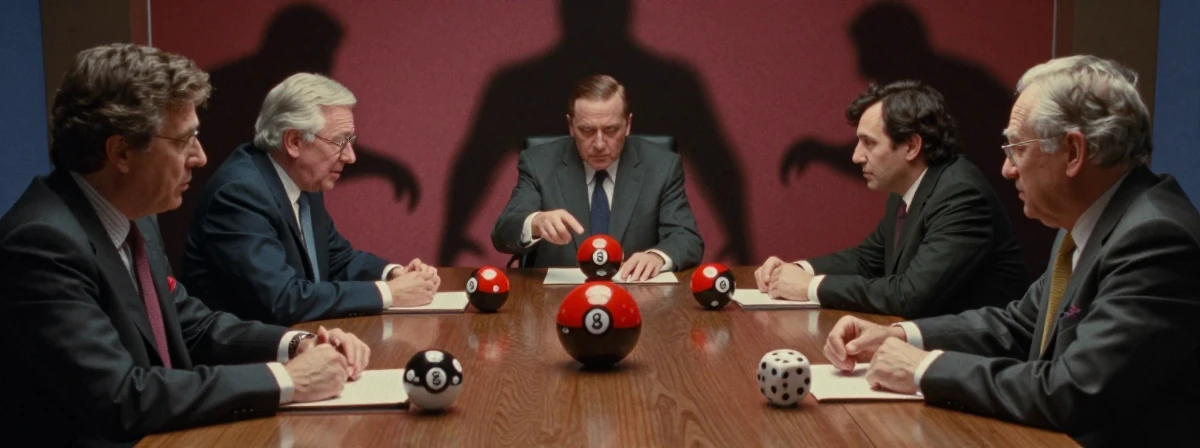
You might be wondering how they decide who gets to pump what. Why does one country get to export at 80% capacity while another is capped at 50%? The answer isn’t a complex mathematical equation—it’s pure political theater. It’s based on who needs money to fund their government budget, who has the biggest military allies, and who owes whom a favor. It’s a classic Prisoner’s Dilemma: everyone would make more money if they cooperated, but everyone has a huge incentive to cheat and sell as much as possible. The only thing keeping them in line is the fear that Saudi Arabia will unleash the floods.
Geology Is a Cruel Mistress Why doesn’t the rest of the world just tell OPEC to get lost and ramp up their own production? Because oil isn’t created equal. Take Canada, for instance. They have tons of oil, but it’s trapped in tar sands that require massive amounts of energy and money to extract. It’s like trying to suck a milkshake through a coffee stirrer. Saudi Arabia, on the other hand, basically sticks a straw in the ground and high-grade crude comes bubbling up. If OPEC drops the price to $50 a barrel, Canadian oil becomes too expensive to produce, while Saudi Arabia is still printing money.
The “YouTube Short” Strategy for Global Domination You know those dumb videos where two guys selling fruit undercut each other’s prices until they’re practically giving it away, and then the rich guy buys out the other one and triples the price? That is the geopolitical strategy in a nutshell. Saudi Arabia has the biggest orchard and the biggest pile of cash. They can afford to lose money on oil sales longer than anyone else. So, if a rival country tries to get cute, Saudi Arabia engages in a price war until the rival collapses, then they snap up the market share and raise prices again.
Last But Not Least
So, the next time you flinch at the pump, remember you aren’t paying a market rate—you’re paying the membership fee for a club you didn’t join. It’s a delicate, high-stakes balancing act where the goal isn’t to sell the most oil, but to make the most money while selling the least amount of it. And until we figure out how to run our cars on something other than dinosaur juice, they’re the ones holding the remote control.