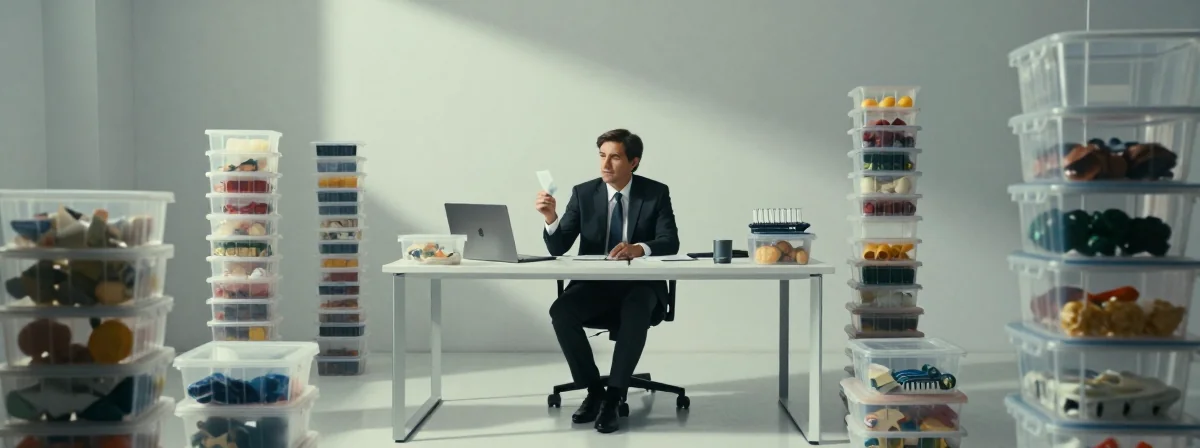
We’ve all felt that pull. You walk into a store, or perhaps scroll through an online marketplace, and you see it—a piece of plastic, cardboard, or metal that the world tells you is precious. It feels significant. It feels like a ticket to a future where money is no longer a worry. There is a specific kind of quiet desperation that drives us to assign value to objects, hoping that by possessing them, we possess a kind of security.
Lately, this desire has shifted. It used to be about the joy of the object itself. Now, it is often about the speculative gain, the idea that you are buying an asset rather than a toy. The modern internet has convinced a generation of people that everyday items are akin to gold bars or blue-chip stocks. But when we peel back the layers of hype and marketing, we often find that the foundation is far shakier than we’d like to admit.
Consider the recent frenzies around trading cards, vintage video games, and limited-edition sneakers. These markets have exploded, fueled by the dream that buying something today and holding it for a few years will yield a massive return. It is a seductive promise, one that taps into our deepest desires for financial freedom without the grind of traditional work. But history is a patient teacher, and if we listen closely, it tells us a story about the dangers of confusing price with value.
Is Modern Collecting Just a New Form of Hustle Culture?
There is a distinct shift in how we approach ownership today. In the past, a collector bought a comic book or a baseball card because they loved the art, the story, or the player. The potential financial upside was a happy accident, a bonus that came years later. Today, the dynamic has flipped. The primary motivation for many is the “flip”—the quick profit made by selling to the next person in line.
This mindset mirrors the high-octane world of Wall Street, stripped of the nuance and expertise. It creates a strange illusion where buying a sealed box of cards makes someone feel like an entrepreneur. It offers the rush of the deal without the burden of building a business. The problem is that this creates a market driven not by genuine demand, but by the belief that there will always be someone else willing to pay more. When the music stops, as it always does, the person left holding the box often finds that they have purchased nothing more than cardboard dreams.
The tragedy is that this hustle culture turns hobbies into jobs. Instead of playing a game with a deck of cards, people are storing them in graded cases, terrified to touch them lest their value drop by a single dollar. The joy is extracted, leaving only the anxiety of investment.
Why Do We Fall for the Scarcity Trap Again and Again?
If you look back through history, this isn’t a new phenomenon. The Dutch tulip craze of the 1630s saw otherwise sensible people trade their homes for a single flower bulb. It seems absurd now, but at the moment, it felt like the only logical move. We are hardwired to react to scarcity. When something is rare, or when we are told it is rare, our brains scream that it must be valuable.
However, the modern twist is how social media amplifies this ancient impulse. Algorithms don’t just show us products; they show us communities of people validating the product’s worth. When you see a popular YouTuber opening packs of cards, spending thousands of dollars in minutes, it creates a false sense of consensus. You see the excitement, the big payouts, and the “graded” gems, but you rarely see the thousands of dollars lost on worthless packs that didn’t contain the winner.
This creates a feedback loop. We see the hype, we buy the product, and we contribute to the hype. It is a powerful drug, the belief that we are participating in something historic, something lucrative. But often, we are just participating in a marketing campaign designed to make us feel like insiders while we act as consumers.
What Happens When You Strip Away the Nostalgia?
There is a crucial difference between true vintage value and modern manufactured scarcity. A toy from the 1970s or 1980s is valuable today because it survived. It survived because it was loved, played with, and somehow, against all odds, wasn’t thrown away or broken. The value comes from the fact that time has naturally winnowed down the supply. There is a story there—a history of ownership that gives the object soul.
Modern “collectibles” are different. They are produced by the millions, often with deliberate “chase” variants designed to drive FOMO (Fear Of Missing Out). Manufacturers and influencers work in tandem to create an artificial sense of rarity. They convince us that a mass-produced item, kept in a climate-controlled safe, is a rare artifact.
The danger lies in the saturation. When the market is flooded with items that people are hoarding rather than using, the eventual crash can be swift. Beanie Babies are the classic example. People thought they were saving for retirement, but because everyone was saving them and nobody was throwing them away, the supply never decreased. The bottom fell out. Today, we see the same patterns with new Lego sets, modern trading cards, and sealed video games. If everyone buys two—one to keep and one to sell—nobody actually needs to buy one later.
Can We Distinguish True Value from Manufactured Hype?
Sometimes, the market itself is manipulated. We have seen instances where auction platforms and grading organizations create a bubble to line their own pockets. Imagine a platform owner selling an item to themselves for an exorbitant amount, publicizing the sale to create headlines, and then watching as the public rushes to “get in on the ground floor.”
It is a game of musical chairs, and the house always wins. This mirrors the fine art world, where value is often subjective and manipulated by a small circle of insiders. But now, those tactics have migrated to the mainstream. They are applied to things we grew up with, things that feel familiar and safe. This familiarity disarms us. We think, “I know what Mario is worth,” but we are actually looking at a number manufactured by a complex system of hype, fees, and speculation.
To navigate this, we have to ask a difficult question: Would you still want this item if it had zero resale value? If the answer is no, you aren’t buying a collectible. You are buying a lottery ticket in a plastic wrapper.
Does Your Collection Bring Joy or Just Anxiety?
Ultimately, the true measure of an object’s worth is not what someone else is willing to pay for it, but what it brings to your life. There is nothing wrong with collecting. There is a profound beauty in preserving history, in cherishing the craftsmanship of a vintage toy or the art on a trading card. But when the primary motivation is financial gain, the hobby transforms into a burden.
The items in your home should serve you, not the other way around. They should spark joy, evoke memories, or provide a creative outlet. If you find yourself stressing about the condition of a box, worrying about market fluctuations, or checking auction sites daily, you have ceased to be a collector and have become a custodian of anxiety.
True wealth isn’t found in a pile of graded assets waiting for the right market conditions. It is found in the freedom to enjoy what you have, without the constant pressure of turning it into something else. Perhaps the wisest investment you can make is to let go of the idea that your stuff is your fortune, and simply start enjoying it for what it is.