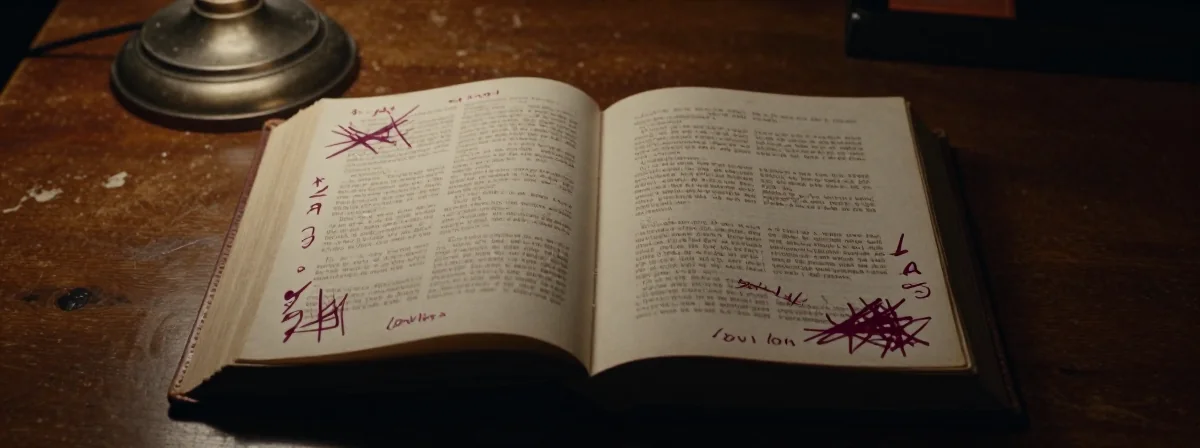
Have you ever asked for a specific direction and received a history lesson instead? It is a common error in the way we connect with one another. We often believe that more information equates to better understanding, so we bury the lead under layers of context, assuming the other person will happily sift through the noise to find the gold nugget we hid for them. But they won’t sift; they will just walk away confused.
We overload our listeners with the “whole picture,” forgetting that they are standing outside the frame while we are standing inside it. The disconnect isn’t a lack of intelligence on their part—it is a lack of focus on ours.
The Lesson
You See the Whole Picture; They Only See the Noise When you are close to a subject, everything feels relevant. The video, the backstory, the long explanation—they all feel like necessary threads in the tapestry. But to the person asking for help, it is just a chaotic pile of threads. You have to separate the signal from the static before you hand it over, or you aren’t sharing wisdom; you are just creating more work for them.
Don’t Make Them Dig for Gold
There is a difference between guiding someone and sending them on a treasure hunt. If the answer to their problem is hidden in the margins, it might as well not exist at all. You cannot expect someone to care about your answer if you make them work to find it.
- Isolation Is an Act of Kindness

The most practical wisdom often comes from cutting away the unnecessary. If the answer lies in a tiny footnote of a massive document, that answer does not exist for the reader. You have to extract it. You have to take the “screenshot”—crop out the context that doesn’t serve the truth and hand over only what matters. It feels blunt, but clarity is a form of respect.
The Vital Insight Is Often Invisible We tend to treat the main event—the presentation, the long story, the official statement—as the message, while the real substance is tucked away in the comments, the caveats, or the quiet asides. We rely on others to do the work of finding the nuance. When you leave the vital insight unhighlighted, you aren’t being subtle or clever; you are being invisible.
The Medium Often Obscures the Message Sometimes the vessel we choose to carry our information is too heavy for the payload. You might share a resource thinking it explains everything, only to realize the recipient is staring at the container, wondering how it relates to their thirst. The link between your intention and their perception is severed the moment you stop being precise about what actually matters.
What to Remember
Next time you share something, ask yourself if you are handing them a map or just pointing at the horizon. Precision is a form of respect. It is better to show a single leaf than to describe the entire forest if that leaf is the only thing that matters.