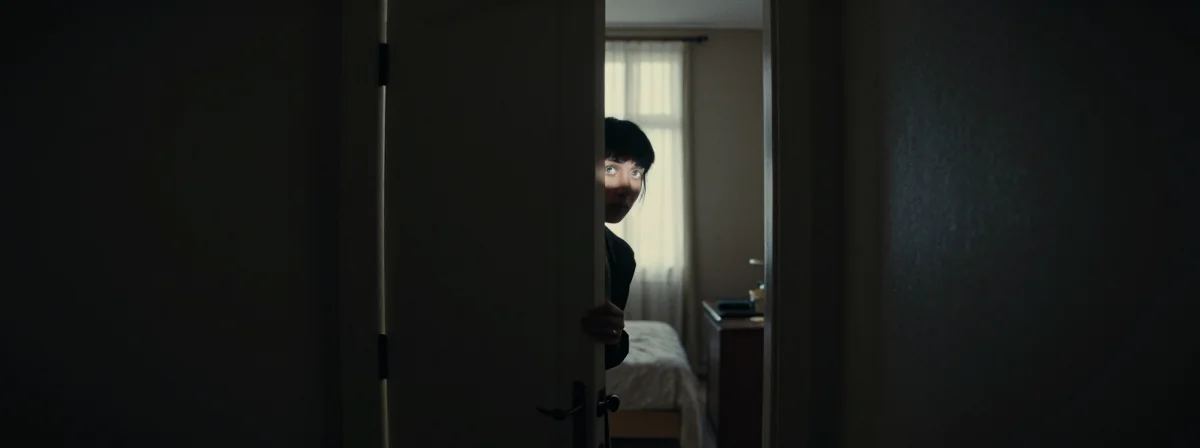
You catch the tail end of a hushed conversation in a coffee shop, and suddenly, your latte is the least interesting thing in the room. Your ears perk up. It doesn’t matter who they are or what they’re discussing; the mere fact that they are trying to keep it quiet makes it vital for you to know. It is a reflex, as automatic as breathing. We like to pretend we are respectful beings who value privacy, but the reality is often messier. We are insatiable information sponges, constantly thirsty for details that do not belong to us.
This isn’t just about being rude or lacking boundaries. It is a fundamental, wiring-deep urge to peek behind the curtain. We stare at car accidents on the highway. We scroll through social media feeds of people we haven’t spoken to in a decade. We want to know who is dating who, who got fired, and who is secretly struggling. The drive to consume the lives of others is one of the most powerful, and least discussed, human motivators.
To understand this, you have to look past the surface level of gossip. You have to look at the survival instinct that never quite caught up to modern society.
The Primal Urge to Gather Data
Thousands of years ago, information wasn’t just power—it was survival. Knowing who in the tribe was hoarding food, who was sleeping with whose partner, or who was plotting against the chief meant you stayed alive. Being “nosy” was actually a sophisticated intelligence-gathering tactic. If you were the person oblivious to the drama, you were likely the person who didn’t make it through the winter.
That ancient hardware is still running in your brain today. When you see a group of friends whispering or a cryptic social media post, your amygdala lights up. It interprets the lack of information as a potential threat. The anxiety of not knowing feels dangerous, so your brain pushes you to investigate. We aren’t just being petty; we are trying to assess our environment for risks. The problem is that in a world of seven billion people, most of this “data” is completely irrelevant to our actual safety.
The Digital Window We Can’t Look Away From
Technology has thrown gasoline on this smoldering fire. We used to only snoop on our neighbors; now we have access to the highlights, lowlights, and private diaries of strangers across the globe. Social media platforms are designed to exploit this curiosity loop. They present a never-ending stream of other people’s business, packaged perfectly for consumption.
It creates a bizarre paradox where we feel connected to people we don’t know, yet disconnected from the reality right in front of us. We judge the parenting choices of someone in a different time zone based on a single photo. We dissect the relationship status of a coworker based on their “likes.” The barrier to entry has vanished. You don’t have to lean over a fence anymore; you just have to tap a screen. This ease of access blurs the lines of ownership, making us feel entitled to narratives that were never meant for us.
The Dopamine Hit of a Secret
There is a biochemical rush that comes with knowing something others do not. It feels like winning a prize. When you uncover a piece of juicy gossip—someone is moving, someone is pregnant, someone is in trouble—your brain releases a hit of dopamine. It validates your social standing. It gives you currency in conversations.
This is where the line between connection and corruption gets thin. We trade in secrets like currency because it makes us feel powerful and included. Being “out of the loop” triggers a very real fear of missing out, or FOMO. We convince ourselves that we are just “concerned” or “keeping up,” but often, we are just chasing that high. We are using other people’s lives as entertainment to distract ourselves from the quiet boredom or dissatisfaction of our own.
When Curiosity Becomes Consumption
There is a difference between caring and consuming. Healthy curiosity builds bridges; it asks, “How are you?” and listens to the answer. Nosiness builds walls; it asks, “What are they hiding?” and looks for cracks in the facade. When we treat people like characters in a show we are watching, we strip them of their humanity.
We reduce complex, struggling human beings to plot points in our own narrative. This isn’t just harmless fun. It creates a culture of surveillance where everyone feels watched and judged. If you know everyone is watching, you start performing. You stop living. The obsession with other people’s business ultimately creates a society of actors, afraid to be authentic because they know the audience is always waiting for the next scene, the next mistake, the next slip-up.
Reclaiming Your Gaze
The antidote isn’t to stop caring. Curiosity is the engine of empathy and learning. The shift happens when you turn that intense gaze outward and redirect it inward. Instead of asking why your neighbor is acting strange, ask why you need to know. Instead of analyzing the cryptic post of an old classmate, analyze why their validation matters to you.
We snoop because we are looking for something—connection, excitement, reassurance that we aren’t missing out. But those things can’t be found in someone else’s window. They are found in your own life. When you truly engage with your own story, the drama of everyone else starts to fade into the background noise where it belongs. The most interesting life you can ever investigate is your own.