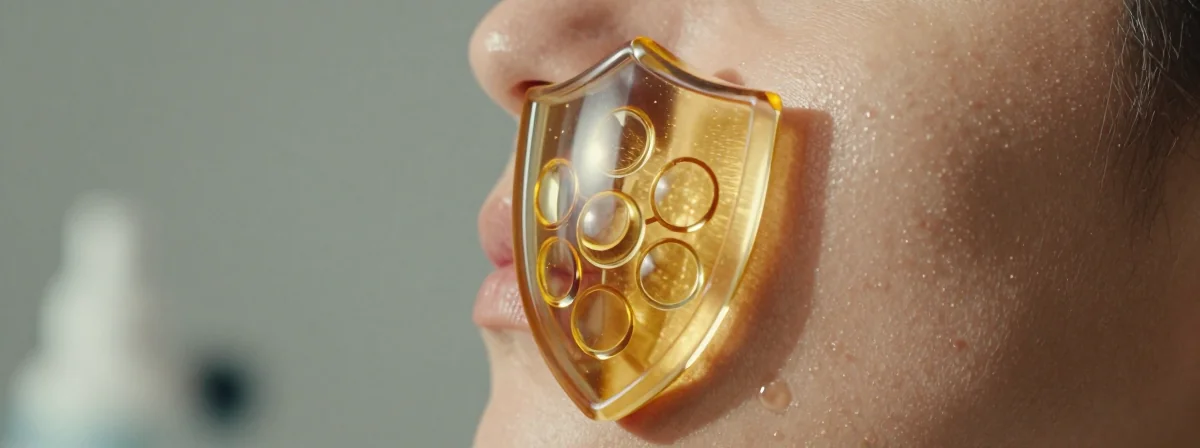
You’ve probably heard the buzz around glutathione injections as a sort of biological reset button for your complexion, promising to fade dark spots and even out skin tone. It sounds like magic—inject a molecule, and suddenly your skin decides to stop producing pigment. But biology is rarely that simple, and understanding the difference between a temporary fix and a permanent cure is where the real science lies.
When you look at how this molecule actually interacts with your cells, you realize it isn’t erasing your skin’s history; it’s just gently turning down the volume for a while.
The Facts
It acts like a dimmer switch, not an eraser Glutathione works by inhibiting the enzyme tyrosinase, which is essentially the foreman of the melanin production line in your skin cells. By slowing this enzyme down, your cells produce less melanin, resulting in new skin cells that appear lighter than the ones they’re replacing. It’s not stripping away color you already have; it’s preventing the next batch from being quite so dark.
The real magic is in the evening, not the whitening While the internet is full of dramatic before-and-afters, the most scientifically consistent use case is actually for hyperpigmentation—those stubborn dark spots that stick around long after a pimple or sunburn has healed. Instead of turning your entire face a shade lighter, glutathione helps those specific spots stop overproducing pigment, bringing them back in line with the rest of your complexion.
Treating isn’t curing, and that is okay

There is often confusion about why a treatment would be worthwhile if the effects eventually wear off once the glutathione leaves your system. This logic assumes that “treatment” means “cure,” but in the world of biology, that is rarely the case. Managing a condition is a valid and powerful medical strategy, whether you are talking about blood pressure or skin tone.
- You are just speeding up your own natural recovery

Hyperpigmentation is often a temporary response to injury—think of it as your skin’s overzealous security guard setting up roadblocks after a scrape or burn. Eventually, that guard stands down and the spot fades on its own. Glutathione simply acts as a negotiator, convincing your skin cells to calm down and return to their baseline function much faster than they would have left to their own devices.
Your skin has a memory, but it doesn’t have to hold a grudge forever. By using tools like glutathione to manage melanin production, you aren’t fighting your biology—you’re giving it a gentle nudge back toward balance.