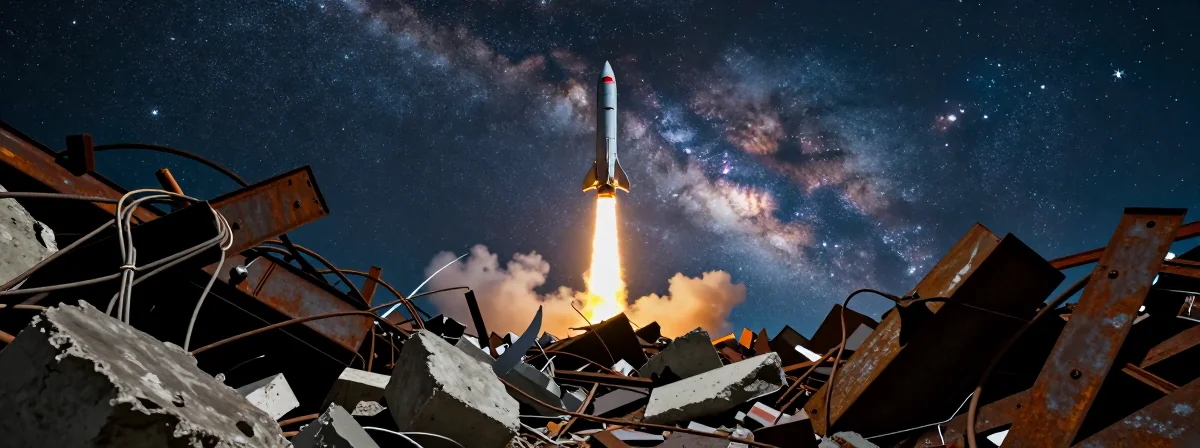
We’ve all been there. You patch a leaky pipe with duct tape, promising yourself you’ll call a plumber next week. Five years later, that duct tape is the only thing holding your house together. It happens in our code, our projects, and our lives—we settle for “good enough” until “good enough” becomes the only thing we know.
You have to decide right now if you’re going to be the person who builds temporary fixes or the one who builds a legacy that lasts.
Time to Level Up
There Is Nothing More Permanent Than a Temporary Solution We tell ourselves we’re just “throwing something together” to get the ball rolling. We say we’ll improve it later. But later never comes. Thirty years down the line, you’re staring at a rickety stack of bandaids holding up your entire business, and you’re terrified to breathe on it too hard. Stop lying to yourself about fixing it later. Do it right the first time, or admit that you’re building a debt you’ll never be able to repay.
The Drake Equation Is Just a Meeting Agenda
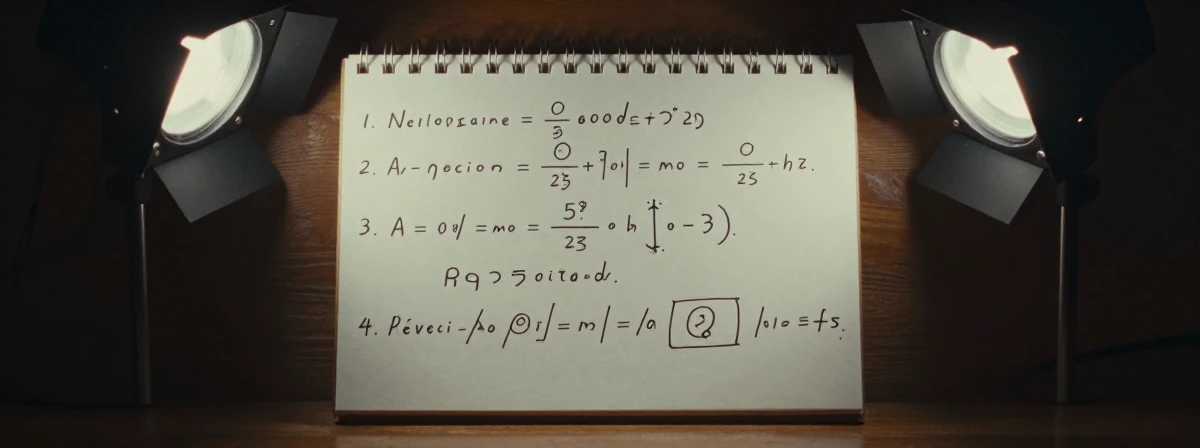
Here’s a secret that changes everything: Frank Drake didn’t scribble that famous equation down because he had all the answers. He came up with it thirty minutes before a meeting just to stop a room full of astronomers from rambling aimlessly about aliens. It’s not a prophecy; it’s a flowchart. It’s a tool to organize your thoughts, not a calculator for your destiny. Stop trying to solve every variable before you start. Use the framework to guide your curiosity, then get to work.
- Silence Is Not a Sign to Stop
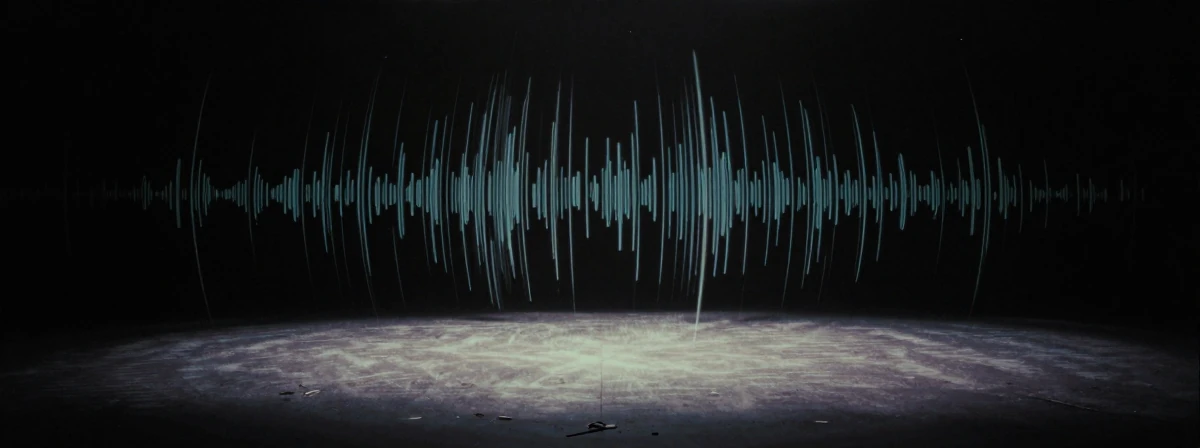
We look at the stars and see nothing but silence, so we assume we’re alone or that our efforts are futile. But we forget that our radio signals fade into static, and as we get more efficient, we actually broadcast less noise into the void. Just because you aren’t getting a signal back doesn’t mean the universe is empty. Don’t confuse a lack of immediate feedback with a lack of potential. The silence isn’t a “no”—it’s just space waiting for you to fill it.
- You Have to Be Willing to Cross the Void We talk about the Fermi Paradox and the vast distances between civilizations like they are walls we cannot climb. The physics are daunting, and the time scales are terrifying. But the solution isn’t to stay home; it’s to change the game. Self-replicating probes, manipulating star emissions, light sails—these are the ideas of people who refuse to accept “impossible.” You need to stop waiting for a signal and start building the ship that goes out and finds the answer.
- Don’t Let “Good Enough” Kill Your Potential Fight for the real fix, even when it’s unpopular. Be the person in the room who refuses to settle for a jury-rigged solution just because it’s easier. Build for the long haul, not just for the weekend.
Your Turn
Stop guessing the variables and start building the solution.
The universe is big, and your time is short. Don’t waste it patching holes that should have been rebuilt years ago. Aim for something that lasts longer than you do.