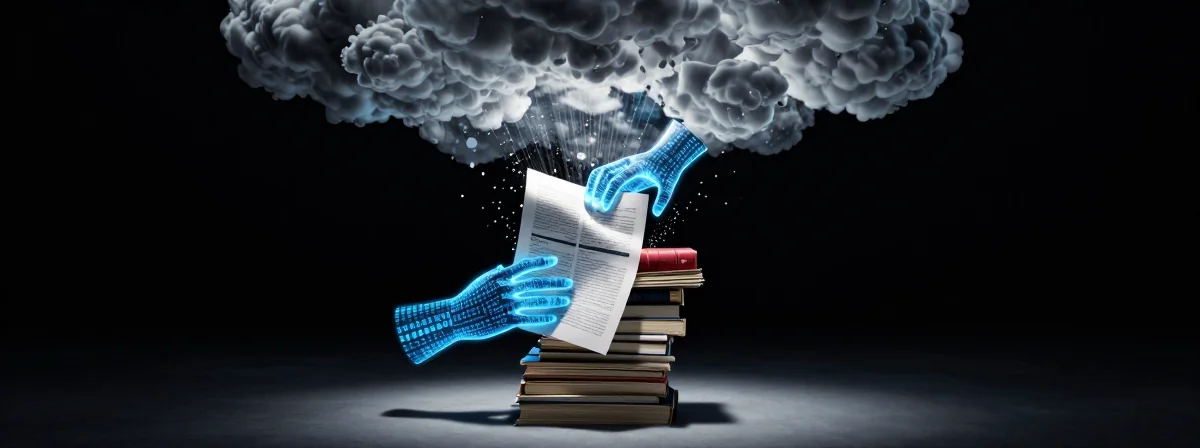
You sit down to unwind, eyes glued to a glowing rectangle, absorbing the blue light late into the night. It feels normal, doesn’t it? Just the modern way of consuming information. But have you noticed the fog that settles in after hours of scrolling, the way the text just… slides off your brain? They tell you convenience is king, that everything should be instant and weightless, but what if the convenience is actually a trap designed to keep you from truly thinking?
The battle for your mind isn’t just about what you read—it’s about how you read it.
What They’re Not Telling You
The Backlight Assault is Real You stare at LCD screens all day for work, and then you wonder why your eyes are burning when you try to relax. It’s not just fatigue; it’s the mechanics of the device. Standard screens throw light at your eyes, aggressively piercing the darkness, while a physical page reflects light gently. Even those fancy e-ink readers? They’re better, sure, using actual particles to mimic paper, but they’re still a gatekeeper between you and the text. A real book doesn’t need a battery to protect you from the dark.
The Illusion of Ownership
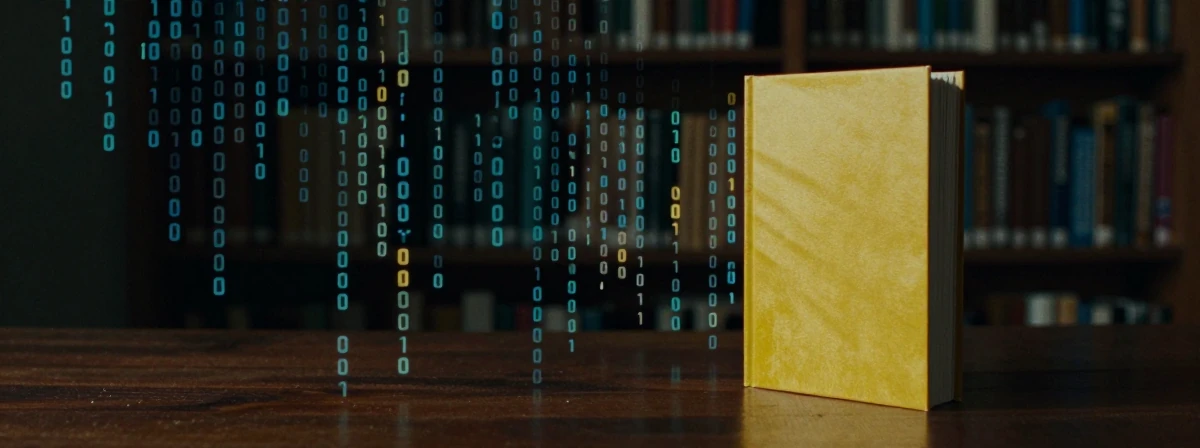
This is the one they don’t want you to realize. When you “buy” a digital file, you aren’t buying anything—you’re renting a license that can be revoked with a keystroke. Look at what happened to video games like The Crew or those massive digital movie libraries that vanished into the ether when servers shut down. One glitch, one policy change, or one missed subscription payment, and your library is wiped clean.
A physical book is yours. Short of theft or a house fire, no one can reach onto your shelf and take it away arbitrarily.- Your Brain Knows the Difference
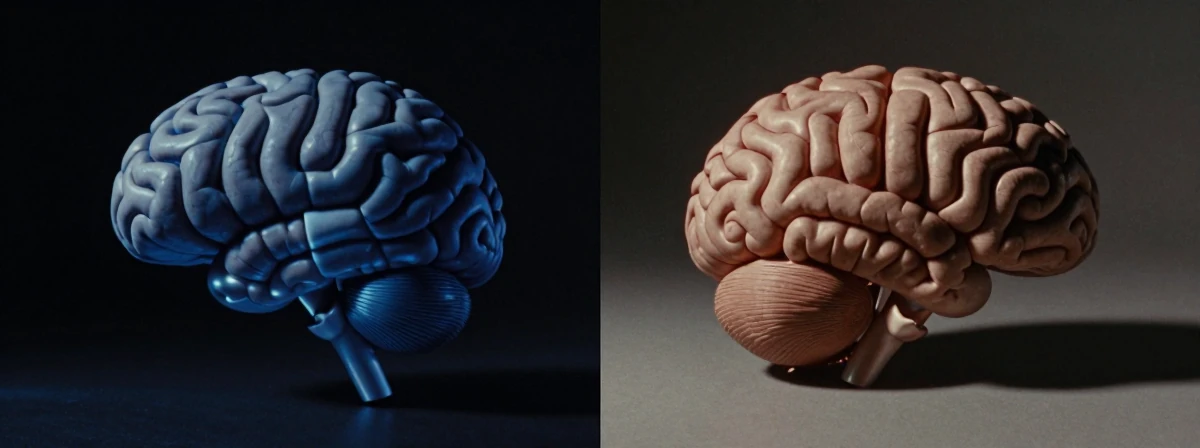
It’s not just nostalgia; it’s biology. Science confirms that our brains process physical books differently than electronic text. Deep comprehension and memory retention suffer when you read on a screen because your brain is constantly navigating a fluid interface rather than anchoring itself in a physical space. You don’t just read a book; you inhabit it. You remember where the passage sat on the page, how far through the spine you were. Digital text strips away these spatial anchors, turning deep reading into shallow skimming.
The Digital Leash Ever notice how you can’t read on a tablet without the nagging urge to check a notification? That’s not an accident—it’s the design. These devices are engineered to fragment your attention, to keep you hopping between apps and dopamine hits. With a physical book, there is no pop-up, no battery percentage to stress over, no glitch to freeze the page. Just you and the words. It’s one of the few places left where you can actually be offline.
The Trophy of Knowledge There’s a reason we keep books on shelves. It’s not just decoration; it’s a statement of identity. I’ve heard it said that looking at knowledge on a screen is fine, but holding it in your hands is a different experience entirely. When you finish a digital file, it just vanishes into the cloud. When you finish a physical book, you have a trophy. You have proof that you conquered that world. You can dog-ear the pages, scribble in the margins, and lend it to a friend. Try lending a Kindle file to someone and see how fast the digital rights management (DRM) slams the door in your face.
The Self-Defense Argument It sounds dramatic, but think about it. If you need to defend yourself—or just prop open a door—a Kindle is just a fragile piece of glass and plastic. A hardcover book? It’s a weapon. It’s a tool. It’s durable. When you’re out in the wild, or just away from a power outlet, the device dies. The book waits. It’s always ready, regardless of the grid.
What Do You Believe?
Ask yourself why you’re so willing to trade permanence for convenience. When the servers go down or the digital licenses expire, what will you have left to show for your mind’s journey? The stack on your shelf isn’t just clutter; it’s your backup plan for reality.