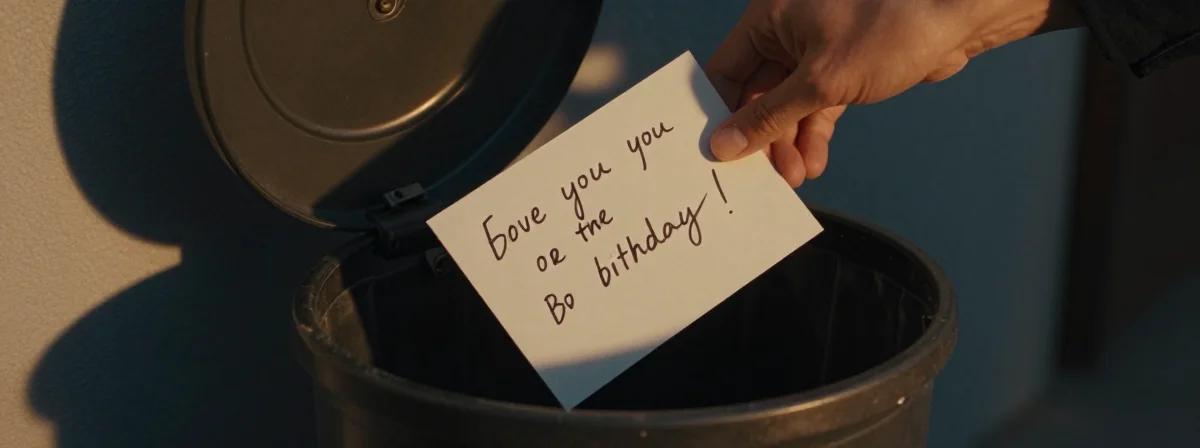
You stand in the middle of the room, holding a dusty old sweater or a coffee mug you haven’t used in a decade. Your logical brain screams “toss it,” but your gut tightens, whispering that to let go is to lose a piece of yourself. It’s a heavy, suffocating feeling—and it is one you know all too well.
We often treat our possessions like external hard drives for our memories, assuming that if the object disappears, the moment goes with it. But there is a quieter way to live, one where you can make space without losing your past.
The Wisdom
You assign value simply because you exist together. It is a psychological trick known as the endowment effect. Because an object is yours, your mind inflates its worth, confusing the market price with the emotional price you paid when you first held it. It isn’t just a coffee mug; it is the morning you got the job.
Treat the departure like a farewell, not an execution. There is profound power in the modern practice of holding an item, thanking it for its service, and then letting it go. It transforms the act of cleaning from a rejection of the past into a celebration of what that past gave you before it ran its course. Say the memory out loud, give it a moment of silence, and then wish it well on its next journey.
The memory is not stored in the atoms. We cling to physical items because we fear losing the memory attached to them, but your mind is far more resilient than you give it credit for. Take a photograph of the item before it leaves your house. The digital image captures the essence just as well as the physical object, yet it takes up zero space in your closet.
Every possession demands a tax on your attention. Consider the cost of ownership; it isn’t just the price tag on the day you bought it. It is the mental energy required to store it, clean it, and move it, like nineteen motorcycles needing oil changes and tires year after year. When we hold onto things “just in case,” we are often paying a hidden price that crowds out the space needed for who we are becoming.
You are not throwing it away; you are passing the torch.
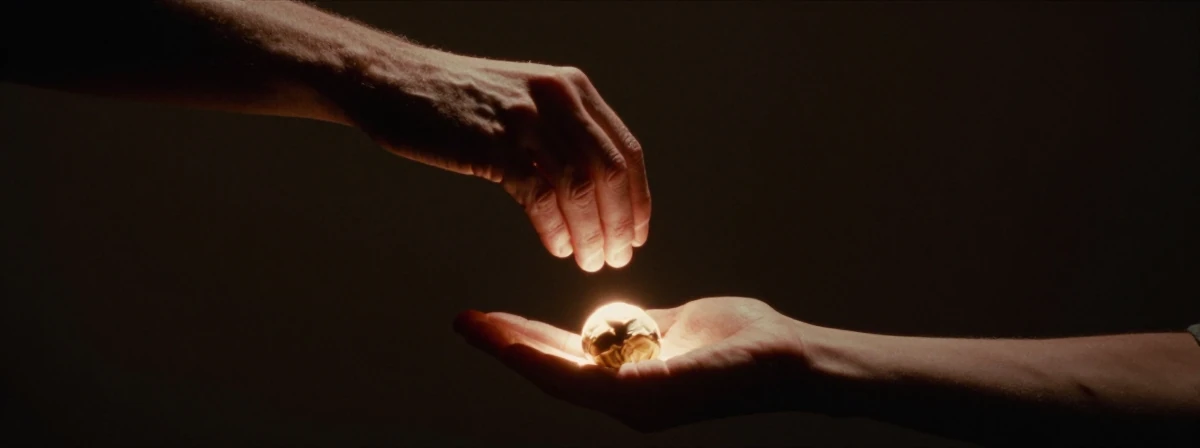
The guilt often stems from the idea that the item is heading to a landfill to rot. But when you donate to a charity shop or give it to a neighbor through a local gifting group, you are merely changing the character in the story. That old TV or pile of cables isn’t garbage; it is exactly the treasure someone else has been hunting for.
- Sometimes, the clutter is armor against a fragile world.
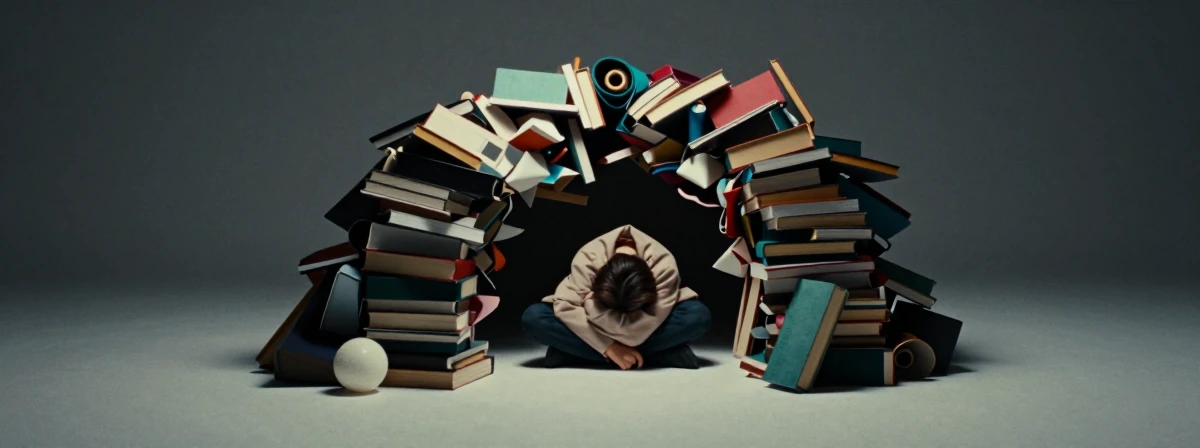
If you find this process crippling, it may not be about the stuff at all, but about a time when you weren’t heard or valued as a child. Objects are loyal; they don’t leave, they don’t judge, and they don’t reject you. Recognizing this doesn’t fix the habit overnight, but it helps you have compassion for the part of you that is trying to feel safe.
- No one becomes a hoarder in a single day. They slide into it gradually, one unopened box of high school memorabilia at a time. The only way out is to stop the slide.
Letting go is not an act of destruction; it is an act of trust. Trust that the joy you felt was real and permanent, even if the vessel is gone. Make room for the life you are living now, rather than curating a museum for the person you used to be.