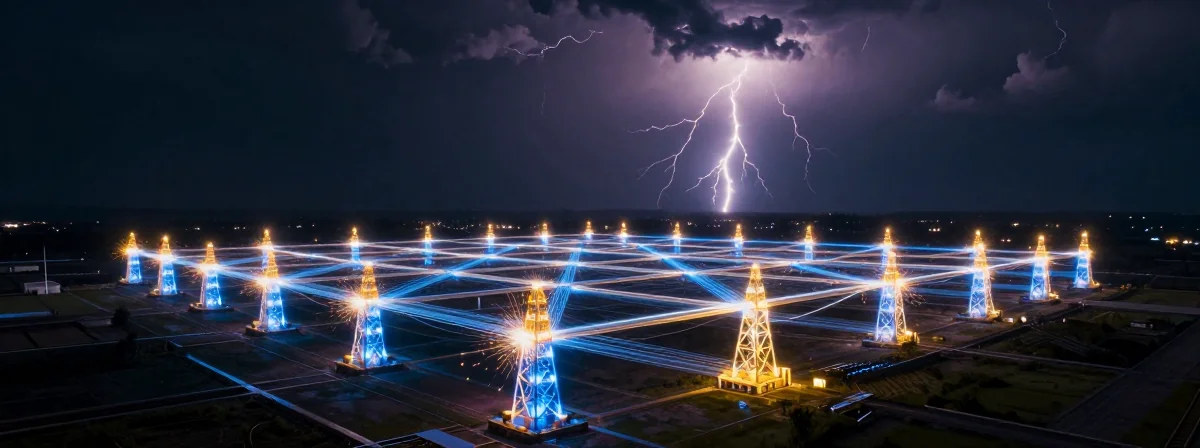
We often view global infrastructure as a house of cards—one wrong move and the lights go out. But if you look closer at the engineering marvels moving our world, you’ll see a system designed not just to function, but to adapt and survive. The challenges we face today aren’t just roadblocks; they are the friction that sparks the next generation of innovation.
Tomorrow’s Tech Today
The Resilience of Physical Infrastructure It is easy to assume that a pipeline stretching across a desert is a sitting duck, but that view underestimates modern engineering. These aren’t just buried tubes; they are segmented, monitored, and designed for rapid repair. When a section is compromised, the system isolates the damage, and crews replace the affected segment in hours, not days. The infrastructure is built to absorb a hit and keep the world moving.
The Sensor Network is Watching
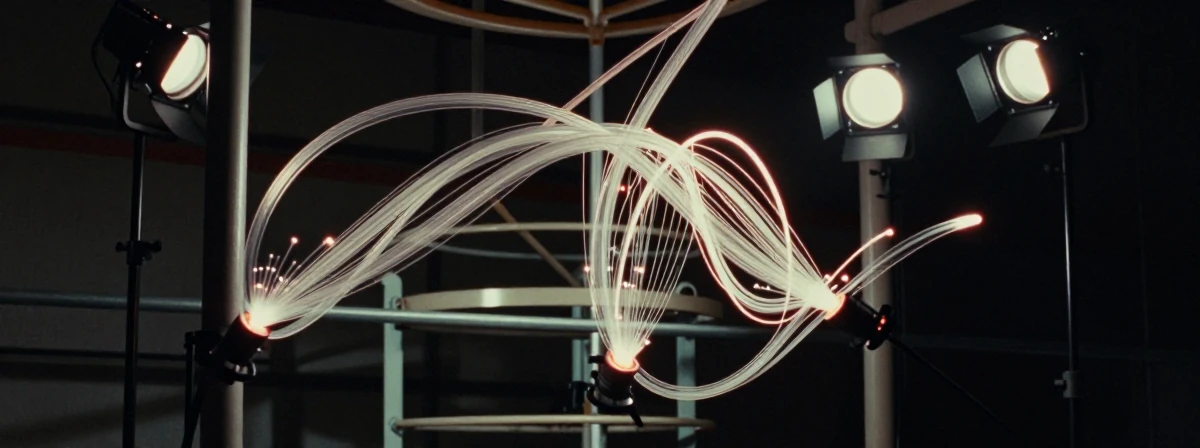
We don’t just guess when something goes wrong anymore; we know. Modern pipelines are wrapped in a nervous system of fiber optics and sensors that detect pressure drops the instant they happen. Automated shutoff valves slam shut to prevent catastrophic loss, protecting the environment and the supply chain simultaneously. It’s a level of precision that turns a potential disaster into a manageable maintenance task.
- The Nuclear and Electric Horizon
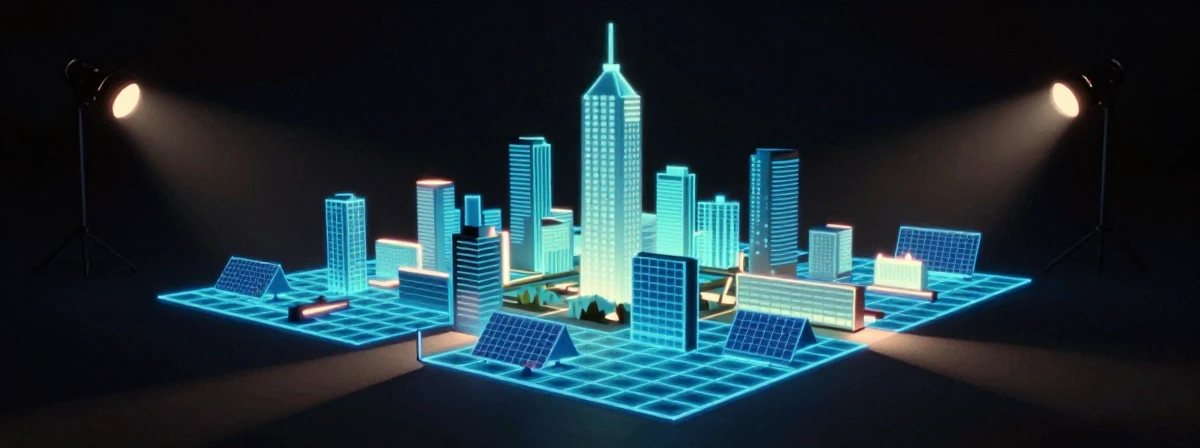
If there is a silver lining to supply chain volatility, it is the urgency it creates to diversify our energy portfolio. The instability of traditional shipping routes is fast-tracking the global shift toward nuclear power and mass EV adoption. We are moving toward a future where energy is generated locally and stored cleanly, reducing our reliance on distant, vulnerable choke points.
- Petrochemicals Are Evolving, Not Disappearing Even as we move away from burning fossil fuels for transport, our reliance on petrochemicals for plastics, fertilizers, and medicine isn’t going anywhere—but the way we source them is changing. Innovation in chemical engineering is allowing us to create these essential materials more efficiently and with less waste. We aren’t just extracting resources; we are learning to synthesize them in ways that were once thought impossible.
Innovation Never Sleeps
The pressure on our current systems is undeniable, but pressure creates diamonds. We are witnessing a transition from a fragile, centralized past to a robust, distributed future. Technology doesn’t just solve the problems of today; it builds the foundation for a world that is safer, cleaner, and more efficient than we dared to imagine. The future isn’t something that happens to us—it’s something we are engineering right now.