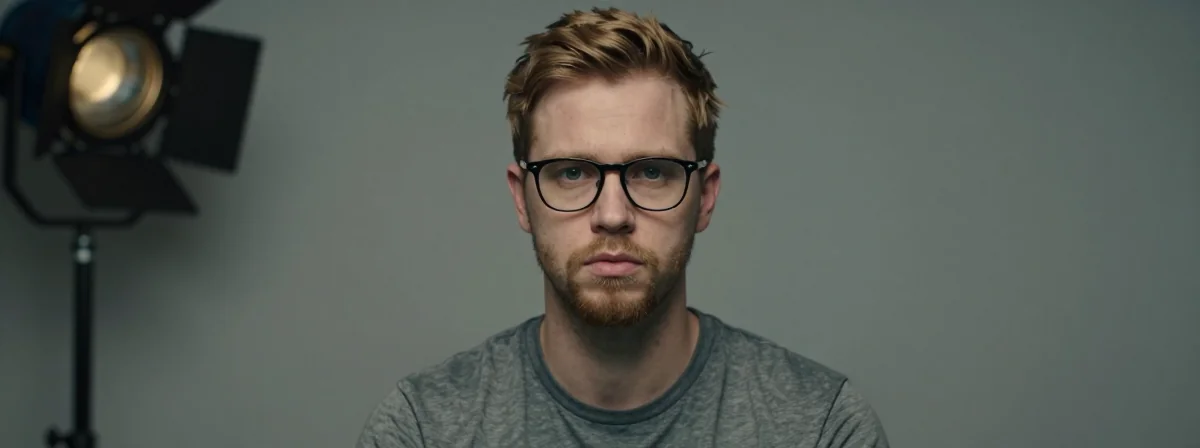
Everyone loves a redemption arc until they realize the protagonist might just be playing the audience. You build a brand on being the nice guy, the safe option in a sea of toxicity, but eventually, the mask slips. That’s where the resentment starts to fester. It’s not really about the drama itself. It’s about the opportunism.
What the Numbers Mean
The Centrist Trap Being a “centrist” in the current online climate isn’t seen as a balanced perspective; it’s framed as moral cowardice. When you refuse to take a hard stance on high-stakes issues, you aren’t being diplomatic—you’re protecting your brand. The audience sees a fence-sitter, and they assume you’re just waiting to see which side wins before you pick a team.
The Drama Channel Paradox You can’t build a content empire on “explaining the drama” and then act surprised when people demand your take on the next scandal. He launched a second channel specifically to recap streamer conflicts, often with shoddy research and clear bias toward his friends. He eventually shut it down, claiming he disliked the direction, but the audience he cultivated—the ones looking for outrage—didn’t disappear. They just turned on him when he stopped feeding the beast.
Convenient Memory Loss

The dog shock collar saga is a masterclass in selective amnesia. One day, he confirms seeing the collar on a friend’s dog; the next, under pressure, he claims he was mistaken and never saw it at all. It’s a pivot so sharp it gives you whiplash, designed solely to distance himself from the fallout without actually holding anyone accountable.
- The “Good Guy” Facade
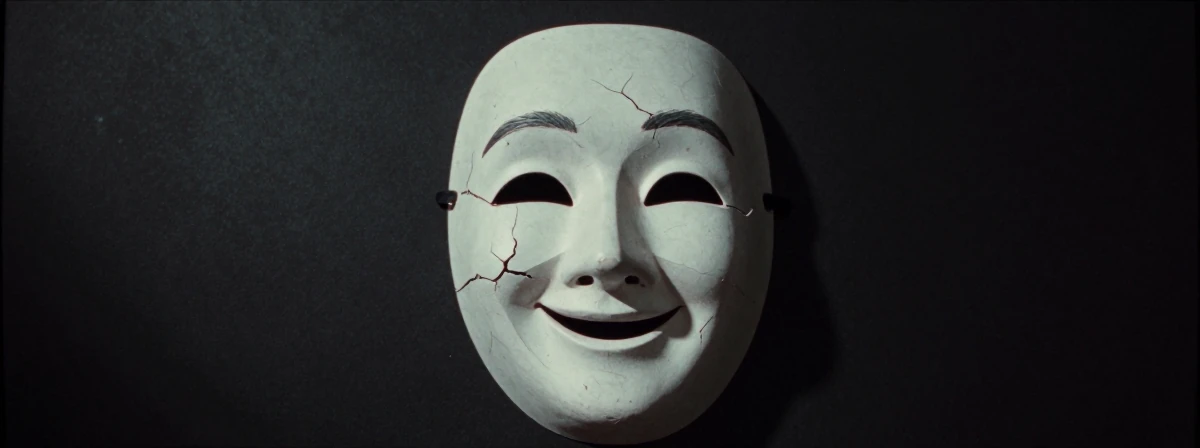
There is a ruthless efficiency to how he manages his public image versus his private actions. He dragged a recovering alcoholic friend on stream, got him plastered for content, and then publicly denounced him when the backlash hit. It’s the kind of behavior that gets you labeled a snake—not because you made a mistake, but because you threw someone else under the bus to save your own skin.
Mean-Spirited Shock Value Ripping up a “Twitch for Dummies” book written by a genuinely helpful creator just for shock value isn’t edgy. It’s just mean.
It’s a Strategy, Not a Personality At the core of this isn’t a lack of backbone, but a surplus of calculation. He stokes the outrage just enough to drive engagement, then shifts his position to whatever the prevailing wind dictates. Defend a friend until they become a liability, condemn them until you need a collab, then repeat. It’s not spinelessness; it’s a deliberate strategy to keep those viewer numbers climbing.
You can’t monetize chaos forever without getting some mud on your shoes. The hate isn’t about him being a villain; it’s about the realization that the “wholesome” persona was just another marketing tactic. When the performance stops, the audience feels played.