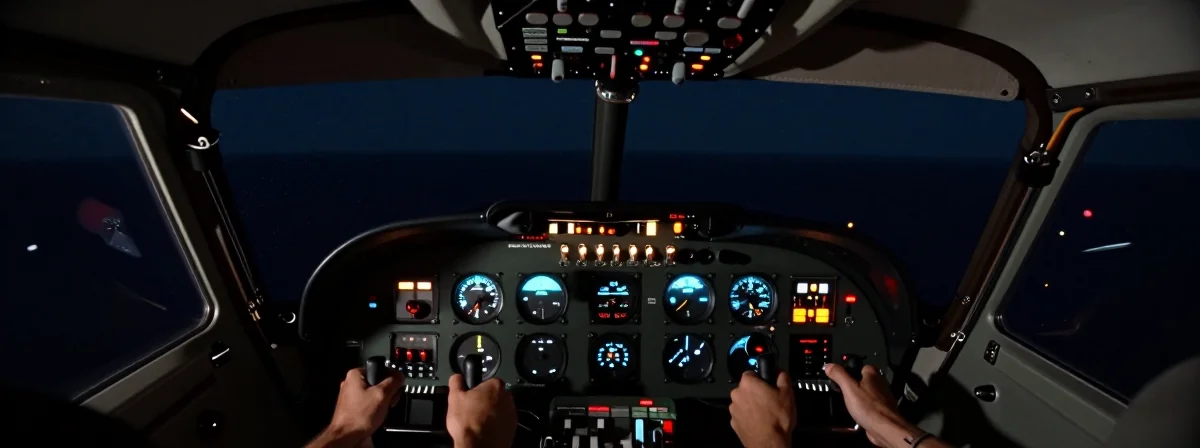
We love to romanticize tragedy, wrapping it in myths like “curses” or “fate,” but usually, it’s just math. The Kennedy family history isn’t a supernatural story; it’s a case study in what happens when human hubris collides with the unforgiving laws of physics. When you strip away the glamour, you see a pattern of ignoring warnings and overestimating human capability against the precision of technology.
The Cutting Edge
The Curse is Just a Risk Management Failure There’s a compelling argument that the “curse” was actually a family ethos of chasing high rewards through massive risks. Whether it was a lobotomy or a suicide mission, the pattern is consistent: they bet everything on a long shot, and eventually, the house won. It’s not bad luck; it’s a statistical inevitability when you constantly play the odds.
Early Adoption Can Be Fatal We often talk about the “first-mover advantage” in tech, but the tragedy with Rosemary Kennedy shows the dark side of that curve. The lobotomy was the “cutting edge” of its time—a hyped surgical procedure touted as a miracle cure. Instead of waiting for the data to mature, they rushed in, proving that being a beta tester for radical medical tech can have irreversible consequences.
Your Brain is a Bad Flight Computer
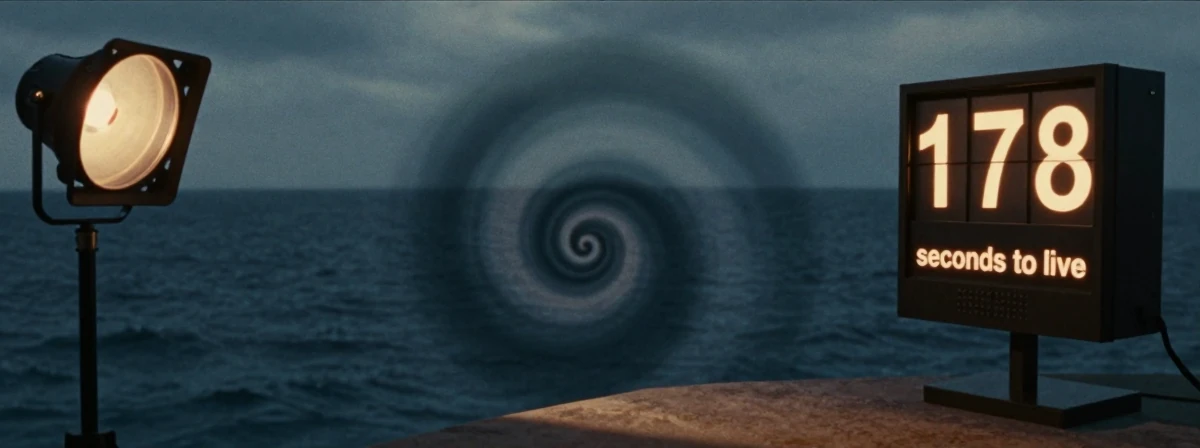
We tend to trust our senses, but in aviation, your inner ear is a liar. The “178 seconds to live” statistic is terrifying: that’s the average time a pilot has once they enter visual flight conditions without instrument training. Spatial disorientation isn’t a feeling; it’s a physiological glitch where the sky blends with the ocean, and without technology to correct it, you spiral down. Technology is the only thing that keeps us honest when our biology fails.
- The Tragedy of Ignoring the Autopilot
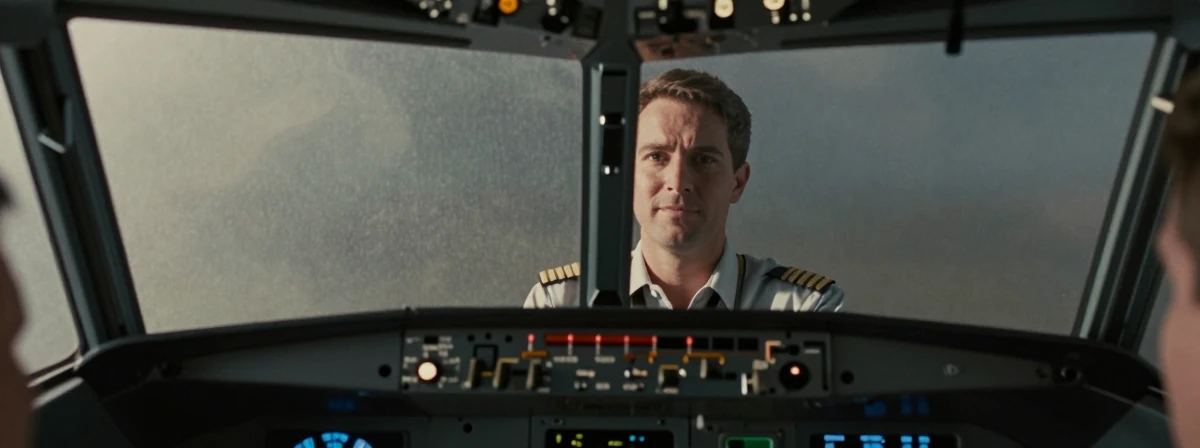
John F. Kennedy Jr.’s crash is the ultimate example of this. He was flying a complex, high-performance Piper Saratoga with only 36 hours of experience in that specific aircraft, ignoring weather warnings and even an offer from a flight instructor to ride along. He had the resources for the best training, but he chose to fly blind—literally—trusting his charm over the instruments. If he had simply engaged the autopilot, a piece of tech designed exactly for that scenario, he likely would have landed safely.
- The Bubble of Invincibility When you live in a bubble where rules don’t apply, you forget that gravity applies to everyone.
Onward and Upward
We have to stop viewing safety protocols as suggestions for other people. The real progress happens when we accept that technology is our partner, not our servant. Next time you’re tempted to push past a warning light or ignore a safety metric, remember: the machine doesn’t know who you are, and that’s exactly why you should trust it.