You remember the old internet, don’t you? It was a chaotic, beautiful digital frontier where you could stumble upon a stranger’s homepage in Japan or play a Flash game crafted by a teenager in their basement just by clicking “next site.” It feels like we’ve lost that magic to walled gardens, SEO spam, and heavy corporate control, leaving us wandering a wasteland of algorithms and ads. But what if this isn’t the end of the web, but a painful, necessary adolescence clearing the way for something far more powerful?
We are currently witnessing the friction of a massive transition. The centralized web we’ve grown accustomed to is showing its cracks, and the pressure is building for a return to the open, creative spirit that defined the early days.
What’s Coming
The Walled Gardens Are Actually Incubators For years, the internet consolidated into massive platforms where every action was tracked and monetized. It felt restrictive, a “megacity” under strict corporate control, but this centralization taught us valuable lessons about scale and connectivity. Now, we are seeing the early signs of a exodus. As these platforms become bloated and hostile to genuine expression, the technology is maturing to let us take our data and our social graphs back into our own hands. The walls are getting higher, but soon, we won’t need to be inside them anymore.
Serendipity Is Being Re-engineered
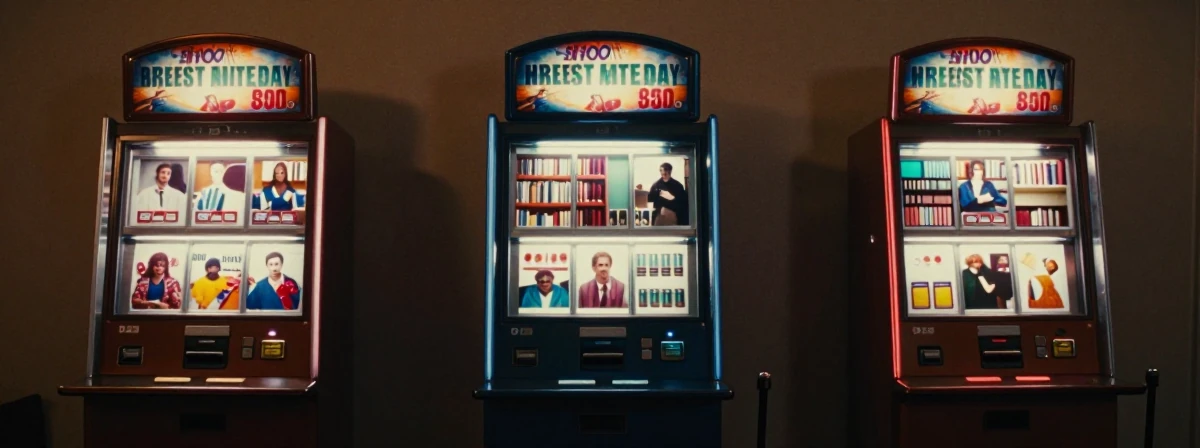
The “surfing” experience died because search engines stopped showing us the web and started showing us ads. It became a casino designed to keep us on the slot machine. However, the human desire for random discovery didn’t vanish—it just went dormant. We are seeing a resurgence of human curation over algorithmic feeds. We are moving from a model of “what the machine wants you to see” back to “what humans think is valuable,” and that shift is going to unlock a level of relevance and joy that SEO farming can never replicate.
- The Flash Legacy Inspires a New Creative Wave

The death of Flash felt like a modern dark age—a catastrophic loss of millions of games, animations, and the foundational work of countless artists. It was a cultural tragedy, but it also highlighted a critical need: accessible creative tools for the masses. We lost a medium, but the passion for creation it ignited is finding new life. We are on the cusp of a new era where building interactive experiences becomes easier and more open than ever before, finally giving artists the medium they deserve without the security risks of the past.
The “Heavy” Web Is Driving Technical Innovation Visiting a basic website today feels like walking through a minefield of trackers, popups, and video ads. It’s bloated, invasive, and slow. But this inefficiency is the catalyst for the next leap forward in web architecture. We are seeing a renewed focus on performance, privacy, and elegant design. The tech community is tired of the bloat, and we are building lighter, faster, and more respectful protocols that will strip away the garbage and get straight to the content.
Anonymity Will Become a Feature, Not a Bug The loss of anonymity turned the web into a place of fear, where a single ill-advised post could haunt your career. It stifled honest conversation and genuine connection. But the pendulum is swinging back. We are realizing that for civilization to function online, people need both public personas and private spaces. New technologies are emerging that will allow for verified identity without sacrificing privacy, letting us engage freely again without looking over our digital shoulders.
The Indie Web Is Our Digital Renaissance
The Future Looks Bright
It’s easy to look at the current state of the internet and see a desolate wasteland, but you’re actually witnessing the cleanup after a storm. The centralized, ad-heavy, algorithmic web is a relic of the past, and the new, human-centric web is being built right now by people who refuse to accept the status quo.
We are returning to the core promise of technology: to empower individuals and foster genuine connection. The tools are getting better, the community is getting louder, and the spirit of the open web is waking up. Get ready to surf again.