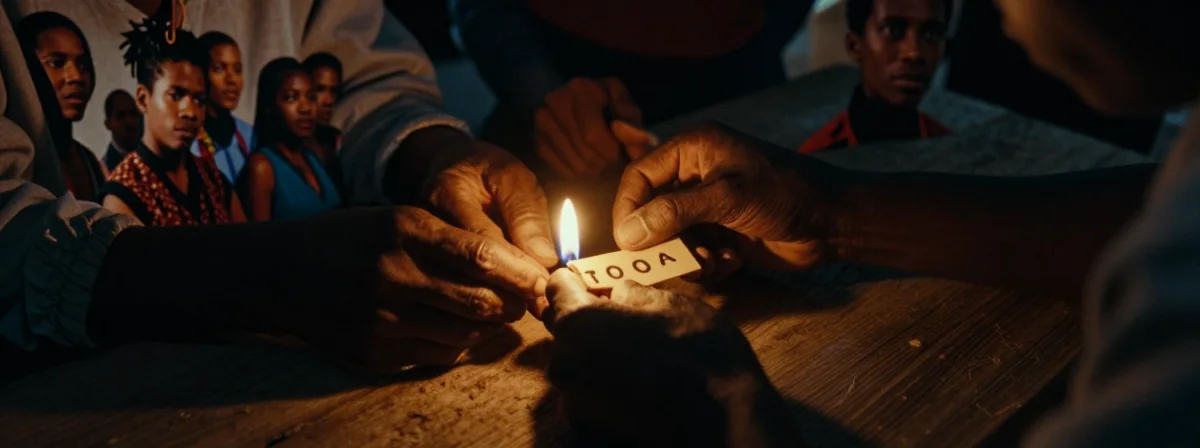
Some stories remain hidden in plain sight, their truth obscured by the convenient narratives we tell ourselves. We often imagine enslaved people as passive victims, unable or unwilling to fight back against their oppressors. But the reality is far more complex—and far more courageous. The history of resistance isn’t just about dramatic uprisings; it’s about the daily acts of defiance, the clever strategies, and the profound human spirit that sought freedom in the most constrained circumstances. Understanding this hidden history isn’t just about correcting records; it’s about recognizing the universal human drive for dignity that continues to shape our world today.
Why Did Large-Scale Slave Revolts Seem So Rare in American History?
The simple answer is that they weren’t as rare as history often portrays them, but they were exceptionally dangerous. When we think about rebellion, we typically imagine coordinated attacks that could overwhelm the oppressors. But consider this: the people who “owned” enslaved people controlled not just their labor but their environment completely. They held all the weapons, organized militias specifically to suppress revolts, and had the full support of neighboring communities. A rebellion that failed meant not just death for the participants, but often brutal retribution against their families and community. The calculation wasn’t just about winning; it was about whether the potential freedom was worth the certain horror of failure.
Take the case of Nat Turner’s rebellion in 1831. While it resulted in the deaths of about 60 white people, the retaliation was far more brutal: approximately 200 Black people—both free and enslaved—were killed in the aftermath, many without trial. This disproportionate response sent a chilling message that reinforced the power dynamic. When resistance meant certain death or worse for not just the participants but their entire community, the decision to rebel became one of the most profound calculations of risk human beings have ever faced.
How Did Enslavers Systematically Prevent Organization Among Enslaved People?
The architects of slavery understood that knowledge is power, and they implemented ingenious methods to prevent enslaved people from organizing. One of the most effective tools was the prohibition of literacy. Laws in the 1700s and 1800s made it illegal to teach enslaved people to read and write, recognizing that communication enables coordination. Without the ability to send messages, share plans, or document agreements, organizing large-scale resistance became nearly impossible. This wasn’t just about preventing formal education; it was about cutting off the very means by which people could build collective power.
The spatial organization of plantations also served as a control mechanism. Enslaved people were often brought from different regions and languages, deliberately preventing them from forming cohesive communities. Some enslavers owned only one or two enslaved people, making large-scale coordination nearly impossible. Others would lease their enslaved people to different plantations, mills, or construction sites—like the Tennessee Capitol building, which was built by leased enslaved people. This constant disruption of community formation meant that even when individuals wanted to resist, they lacked the stable connections needed to organize effectively.
What Were the Different Forms of Resistance Beyond Armed Rebellion?
When we think of resistance, we often default to armed rebellion, but the reality is far more nuanced. The Underground Railroad, organized primarily in the North, represents one of the most sophisticated forms of resistance. This network required incredible organization, trust, and coordination across vast distances and hostile territories. It wasn’t just about escaping; it was about creating an alternative system that operated outside the control of enslavers. This network demonstrates that resistance didn’t require overwhelming force; it required clever organization, mutual trust, and a shared vision of freedom.
Everyday acts of resistance were equally significant. Sabotage—breaking tools, slowing work, feigning illness—disrupted the economic engine of slavery. Consider the story of a group of enslaved people who, when their enslavers were away at night church, allowed field slaves to gather for refreshments. They then found the enslaver’s sleeping baby, snapped its neck, and returned it to bed. When the enslaver returned, the house slave reported that the baby had died in its sleep. This act wasn’t just about revenge; it was about asserting agency in the only ways available—through clandestine, psychological warfare that undermined the power dynamic.
Why Do We Tend to Forget About Slave Resistance in Our Historical Narratives?
Our collective memory tends to focus on the dominant narrative—the perspective of those in power. History, as we learn it, is often written by the victors, and in the case of slavery, that means the perspective of enslavers has dominated. This isn’t accidental; it serves to reinforce the idea that oppression is natural or inevitable. When we only hear about the brutal suppression of revolts like Nat Turner’s without learning about the countless smaller acts of resistance, we get a skewed understanding of history.
The psychological warfare of slavery extended beyond physical chains. When you break someone’s spirit for generations, you create a collective trauma that makes organization and resistance incredibly difficult. Enslavers understood this well, which is why they employed methods that weren’t just about physical control but about psychological domination. This trauma wasn’t just historical; it’s part of the ongoing legacy that shapes how we understand power, resistance, and freedom today. By forgetting or minimizing acts of resistance, we miss the opportunity to learn from the profound resilience and ingenuity of those who fought against overwhelming odds.
What Can the History of Slave Resistance Teach Us About Oppression Today?
The patterns of resistance during slavery reveal timeless truths about how people fight back against oppression. We see echoes of these dynamics in contemporary struggles against various forms of power imbalances. The idea that “fascism equals slavery” isn’t just a rhetorical flourish; it points to the fundamental truth that all systems of oppression follow similar patterns of control and resistance. Whether it’s economic exploitation, political suppression, or social domination, the mechanisms of control—psychological warfare, prevention of organization, disproportionate retaliation—are remarkably consistent.
The Haitian Revolution, while rare in its success, demonstrates what’s possible when people organize despite overwhelming odds. Despite France forcing the rebels to compensate former enslavers for “lost property,” and despite the resulting debt that shackled Haiti for decades (with payments continuing until 1947 to what became Citibank), the revolution stands as a testament to human courage. This history teaches us that freedom isn’t free—not just in the sense of sacrifice, but in the sense that those who benefit from oppression will fight to maintain it, often with violence and economic warfare that continues long after formal systems have changed.
Understanding the hidden history of resistance isn’t just about correcting historical records; it’s about recognizing the enduring human spirit that seeks dignity and freedom in the most constrained circumstances. It reminds us that resistance takes many forms—sometimes quiet, sometimes dramatic, always courageous. And it challenges us to see the patterns of oppression and resistance that continue to shape our world today, urging us to support the freedom struggles that still need our attention and action.