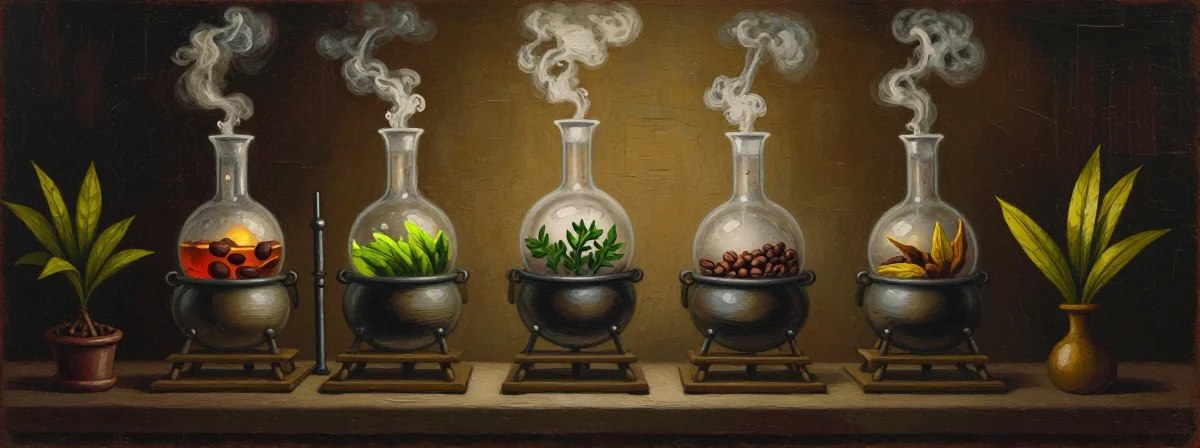
Ever wonder why your morning coffee gives you a jolt while tea leaves you feeling calm and focused? The difference isn’t just in the drink—it’s in how you brew it. What we can verify is that brewing methods, water temperature, and even the type of leaves or beans you use dramatically change the experience. This isn’t just about taste; it’s about understanding the science behind your favorite beverages.
For years, the assumption was simple: coffee = energy, tea = relaxation. But the evidence suggests there’s far more to it. From the temperature of the water to the amount of caffeine extracted, every variable matters. What starts as a simple ritual—boiling water, adding grounds or leaves—becomes a complex dance of chemistry and technique. Let’s break down what truly matters when you brew.
Why Does Coffee Make You Wired While Tea Doesn’t?
The caffeine content alone doesn’t tell the whole story. What we can verify is that a typical cup of coffee contains about 80-100mg of caffeine, while tea ranges from 20-60mg. But this remains unconfirmed but: the way caffeine interacts with other compounds changes how you feel. Coffee beans are roasted, which alters caffeine’s effects, while tea leaves contain L-theanine, a compound that promotes calm alertness.
This isn’t just theory—it’s observable. When you drink coffee, the caffeine hits you faster, often leading to jitters. With tea, the L-theanine slows caffeine absorption, giving you sustained energy without the crash. What’s truly fascinating is how brewing methods amplify these differences. For example, cold brew coffee has less acidity but similar caffeine, while certain teas (like matcha) pack a caffeine punch comparable to coffee.
Cold Brew vs. Iced Tea: Which One Actually Tastes Better?
The debate over cold brew coffee and iced tea often comes down to preference, but the brewing process itself creates distinct flavors. Cold brew involves steeping coffee grounds in cold water for hours, resulting in a smoother, less acidic drink. Iced tea, on the other hand, can be made by brewing tea with hot water then cooling it, or by steeping directly in cold water (a method gaining popularity).
What we can verify is that cold brew coffee tends to have a sweeter, nuttier flavor, while iced tea (especially black tea) can taste more astringent if not brewed properly. This remains unconfirmed but: the perception of “better taste” often depends on personal bias. Some find cold brew too mild, while others think iced tea lacks depth. The key is understanding how to brew each to highlight its best qualities.
Should You Use Boiling Water for Tea or Coffee?
Here’s where many get it wrong. The evidence suggests that boiling water isn’t ideal for either. For coffee, especially pour-over or drip methods, water just off the boil (around 195-205°F) extracts flavors best without scorching the grounds. For tea, the rules vary: black teas benefit from near-boiling water (195-212°F), while green and white teas need cooler water (165-185°F) to avoid bitterness.
This isn’t just preference—it’s chemistry. Hotter water extracts more caffeine and bitter compounds, which is why over-brewed tea tastes harsh. Coffee, meanwhile, can taste sour if water isn’t hot enough. What’s clear is that precision matters. A thermometer isn’t always necessary, but paying attention to the water’s state (rolling boil vs. simmer) makes a difference.
Can You Really Make Espresso-Strong Tea?
The idea of “espresso shots” of tea has gained traction, but what does it mean? Espresso uses high pressure and fine grounds to extract concentrated flavor. Tea, without pressure, can’t replicate this exactly. However, what we can verify is that using more tea leaves (like 10-15 grams per cup) and shorter steep times can create an intensely flavorful, concentrated brew.
This remains unconfirmed but: some tea enthusiasts swear by methods like the Aeropress for tea, mimicking espresso’s intensity. The result isn’t espresso, but a strong, layered cup that surprises first-time drinkers. Whether it’s “better” is subjective, but the technique shows how flexible brewing can be.
Why Some People Drink 4 Cups of Tea Without Feeling Anything
If you’ve ever wondered why tea doesn’t affect you like coffee, consider this: the type of tea matters. Black tea has the most caffeine, while herbal teas (like chamomile) have none. But this remains unconfirmed but: tolerance plays a huge role. Regular tea drinkers often build up a tolerance to caffeine, meaning they need more to feel the effects.
What’s also at play is the L-theanine in tea, which counteracts caffeine’s jitters. So even if you’re consuming caffeine, the experience feels different. This explains why someone can drink multiple cups of tea and feel calm, while a single cup of coffee might feel overwhelming. The brewing method (steep time, leaf quality) further influences this.
The Hidden Benefit of Loose Leaf Tea Over Tea Bags
Tea bags often contain broken leaves or dust, which release flavor quickly but lack complexity. Loose leaf tea, especially high-quality varieties, offers a richer experience. What we can verify is that loose leaves unfurl during steeping, releasing oils and compounds that tea bags can’t match. The result is a smoother, more nuanced cup.
This isn’t just about taste—it’s about the ritual. Brewing loose leaf tea often involves gaiwans, teapots, and multiple infusions, turning a simple drink into a mindful practice. While tea bags are convenient, the evidence suggests that loose leaf is worth the effort for those who care about quality.
What’s the Best Way to Brew If You Want a Quick Energy Boost?
If your goal is caffeine without the jitters, here’s what works: strong black tea or a well-made cold brew. Cold brew coffee has a smoother caffeine delivery, while black tea (like Assam) has enough caffeine to wake you up without the acidity of coffee. What’s also effective is matcha, a powdered green tea that delivers concentrated caffeine and L-theanine.
The key is moderation. Overdoing it—whether with coffee, tea, or energy drinks—leads to crashes. The evidence suggests that rotating between coffee, tea, and other caffeinated beverages helps maintain sensitivity and avoids tolerance. Brewing methods matter less here than the drink’s inherent properties.
Final Thoughts: Brewing Isn’t Just About the Drink—It’s About the Experience
What we can verify is that brewing coffee and tea is as much art as science. The temperature, time, and tools you use shape the final product. But this remains unconfirmed but: the best brew is the one that fits your routine and preferences. Whether you’re a coffee purist or a tea enthusiast, understanding the variables helps you craft the perfect cup.
The next time you reach for your mug, consider this: the ritual of brewing is just as important as the drink itself. From the warmth of hot coffee to the refreshing chill of iced tea, each method offers a unique experience. And that, ultimately, is what makes every cup worth sipping.