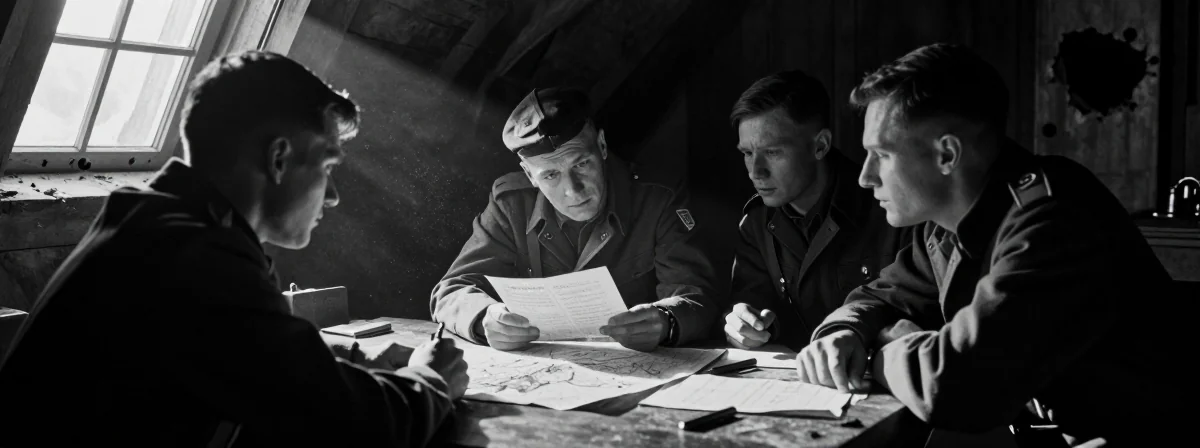
Imagine three men crammed into a tiny cockpit, one bouncing on another’s lap as they prepare for what’s supposed to be a suicide mission. It sounds like a bizarre comedy sketch, but this was reality for some WWII pilots. The “Lapsies” incident reveals a side of kamikaze missions that challenges everything we thought we knew about these desperate final flights.
The conventional narrative paints kamikaze pilots as either brainwashed fanatics or drug-enhanced automatons. But the truth is far more complicated—and far more human. These weren’t just faceless soldiers; they were young men facing impossible choices in impossible circumstances, with tactics that were both terrifyingly effective and tragically misunderstood.
Research into Japanese military records shows that many pilots went on multiple missions before finding their target, some even returning safely after failed attempts. The zeal that drove them wasn’t always born from fanaticism but from a desperate loyalty to comrades and nation in a losing war.
Were Kamikaze Pilots Actually Drugged Before Missions?
The popular image of tweaking pilots on amphetamines is largely a myth. While some pilots received stimulants, these were typically given during training—not specifically for suicide missions. The idea that drugs were necessary to make pilots follow through ignores the powerful psychological conditioning at play.
Japanese military culture emphasized absolute obedience and sacrifice. The concept of “gyokusai” (glorious death) was deeply ingrained, making external substances largely unnecessary. As one historical account notes, “They didn’t need drugs to die—they needed drugs to live through training.”
The alcohol and extra rations given to pilots the night before missions served more as final comforts than performance enhancers. These weren’t pharmaceutical interventions but final gestures of respect from a military that recognized its pilots’ sacrifice. The real “high” came from the collective belief in their mission’s necessity.
How Effective Were Kamikaze Tactics Really?
It’s easy to dismiss kamikaze attacks as desperate, ineffective gestures. But the numbers tell a different story. At Okinawa alone, kamikaze attacks sank 36 US ships and damaged over 400 others, representing the highest US Navy casualty rate in the war. These weren’t random crashes—they were calculated tactical choices.
When Japan lost its experienced pilots at Midway, conventional attacks became increasingly difficult. Kamikazes offered a solution: transform the entire aircraft into a guided missile. A single plane packed with explosives could sink a destroyer, killing hundreds, at virtually no material cost to Japan’s dwindling resources.
The math was brutal but undeniable. Training a conventional pilot required months and thousands of gallons of precious fuel. Kamikaze pilots needed minimal training, and their planes could be stripped of unnecessary equipment to maximize explosive payload. For Japan, it was the only remaining strategy when conventional options had failed.
Why Did Three Men Fly in One Plane?
The “Lapsies” incident highlights a logistical reality many overlook: by war’s end, Japan’s aviation resources were critically low. Some planes were so damaged they could barely fly, forcing crews into cramped conditions. This wasn’t about comfort—it was about making do with what remained.
In one documented case, three pilots shared a two-man plane, with one literally sitting on another’s lap. These weren’t “idiot” decisions but desperate measures born from resource scarcity. The fact that such planes often didn’t even reach their targets—instead crashing on beaches or being shot down—shows how dire Japan’s situation had become.
The psychological impact of these conditions is often overlooked. Flying in such cramped conditions, knowing your chances of survival were zero, created an atmosphere of intense camaraderie mixed with despair. These weren’t just military missions—they were final acts of solidarity in a collapsing nation.
Were Kamikaze Pilots Truly Voluntary?
The question of consent remains one of history’s most complex. While some pilots expressed enthusiasm, others clearly didn’t want to die. The distinction matters: forced sacrifice is different from willing martyrdom, yet both occurred in the Japanese military system.
Historical records show a spectrum of motivations. Some pilots came from families with military traditions; others were conscripts. Some wrote moving letters of commitment; others expressed reluctance. The system created an environment where saying “no” wasn’t really an option, but neither was it always explicitly forced.
What’s clear is that the pilots believed in their mission’s necessity. Whether through genuine belief, peer pressure, or simple obedience, they acted. This nuance is lost when we simply label them “fanatics” or “heroes.” They were men doing what they believed their country demanded.
How Did Kamikaze Tactics Influence Modern Warfare?
The strategic calculus behind kamikaze attacks—transforming personnel into weapons—has eerie parallels in modern conflict. While we don’t see aircraft carriers being rammed today, the concept of asymmetric warfare where weaker forces use unconventional tactics against stronger ones continues to evolve.
The psychological impact on the US Navy was profound. Admiral Chester Nimitz later admitted, “Before the war, we had ships that could be sunk. After the war, we had ships that could be scared.” This recognition of psychological warfare remains relevant in contemporary military thinking.
Kamikaze tactics also demonstrated how innovation can emerge from desperation. Japan’s military leaders recognized their conventional advantages had evaporated and developed something new—something terrifyingly effective. This lesson in strategic adaptation continues to influence military doctrine worldwide.
What Really Happened to the ‘Lapsies’ Pilots?
The three-man flight that inspired this discussion never completed its mission. Their plane was shot down before reaching its target, crashing on a beach rather than into a ship. This outcome was more common than popular accounts suggest—most kamikaze missions failed to hit their targets.
What’s remarkable is that some crew members survived. In this case, three men did make it back, though their plane’s companion didn’t. These survivors offer a counter-narrative to the idea of kamikaze pilots as simply statistics or symbols—they were men who sometimes lived to tell their stories.
The incident reminds us that even in the most extreme circumstances, outcomes remain uncertain. The “Lapsies” weren’t just a quirky detail—they were a snapshot of human ingenuity and desperation in the face of overwhelming odds.
Reimagining Kamikaze History Through Human Stories
The most important lesson from kamikaze history isn’t about military tactics or national ideologies—it’s about human choices under extreme pressure. When we strip away the propaganda and the myths, we find ordinary people making extraordinary decisions.
The “Lapsies” incident, with its bizarre image of men crammed in a cockpit, humanizes what we often reduce to statistics and symbols. It reminds us that behind every military strategy are human beings with fears, hopes, and relationships.
Understanding kamikaze missions requires moving beyond simple judgments. These weren’t just “crazy Japanese pilots” or “brave martyrs”—they were complex individuals operating within a complex historical moment. Their story, including its most unusual details, deserves our careful attention and nuanced understanding.