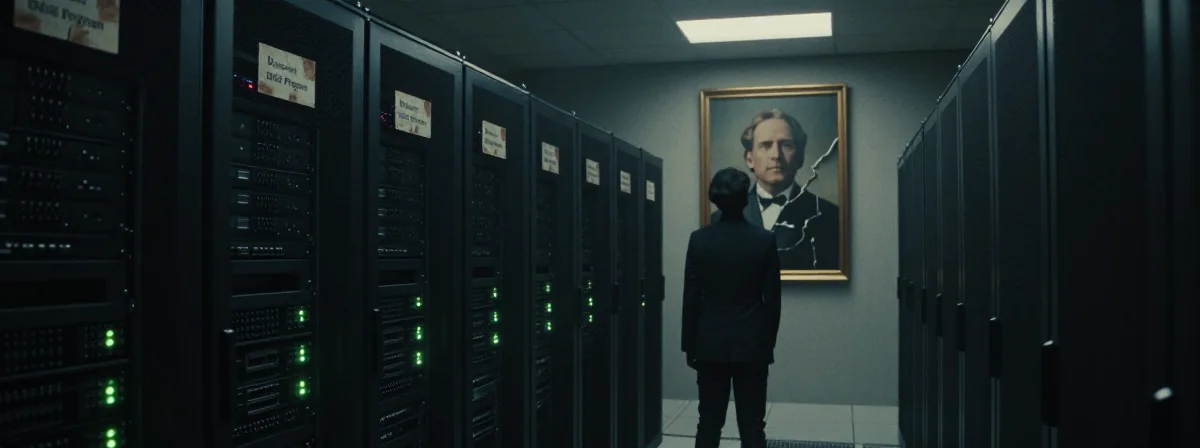
So, you might’ve heard whispers about this thing called the DOGE program. It popped up, caused a bit of a stir, and then, poof, it was officially dissolved. Simple, right? Well, not exactly. Think of it like a band that breaks up but all the members just start playing in different bands around town – same players, same core sound, just a new name badge. That’s kind of what’s happening here, and it’s worth paying attention to.
It’s easy to just shrug and think, “Oh, that weird data thing is gone, problem solved.” But the story doesn’t end there. Understanding what DOGE really set out to do, how it operated, and where its key players ended up gives us a clearer picture of what’s been going on behind the scenes in Washington. It’s less about a specific program and more about a shift in how things are being done.
Let’s break down what actually went down with DOGE and why its ghost is still haunting the halls of power.
Why Did the DOGE Program Dissolve So Quickly?
Officially, the DOGE program (let’s just call it DOGE for now, seems fair) was supposed to be a temporary setup. A short-term mission to gather some specific data. But it packed up shop way ahead of schedule, dissolving in November 2023, not the 2026 date some were expecting. Why the early exit?
Well, one thing’s for sure: it achieved its goals, whatever those really were. Think of it like a cleanup crew that gets hired for a specific, maybe hush-hush job. They finish the job, maybe leave a few things a bit messy on purpose, and then they’re gone. Officially, DOGE got the data it needed. Unofficially, a lot of folks reckon that data gathering was just the cover story.
Reports suggest that while DOGE was officially winding down, a lot of its personnel didn’t exactly vanish. They didn’t all get pink slips and head home. Instead, many quietly transitioned into other roles within various government departments. It wasn’t a mass exodus; it was more like a strategic redeployment. They just changed offices and maybe updated their business cards.
What Was DOGE’s Real Goal Anyway? Data or Something Else?
Officially, it was about data collection. Gathering information, maybe improving processes, that kind of thing. But looking at the bigger picture, and some of the specific moves made during its short lifespan, a different narrative starts to emerge. It wasn’t just about collecting data; it was about who was being targeted and what kind of impact it had.
One major point that keeps coming up is how DOGE seemed focused on shutting down or limiting investigations into certain individuals and companies. Specifically, there’s been a lot of talk about investigations related to Elon Musk and his various businesses being curtailed. If DOGE was purely about neutral data collection, why the sudden halt to probes that were already underway? It starts to look less like objective data gathering and more like targeted interference.
It’s like if a security team suddenly stops checking the backgrounds of everyone entering a building, but specifically makes sure the CEO’s favorite contractor gets a free pass. You start wondering what the real priorities are.
Did DOGE Just Disappear, or Did It Evolve?
This is where it gets interesting. While the DOGE program itself got the ax, its core mission and personnel didn’t just evaporate. As mentioned, many of the folks involved found new homes within the federal government. But it goes deeper than that.
The overall direction and goals that DOGE represented seem to have been picked up by other key players. Think of it like the spirit of the program living on through different channels. Reports indicate that figures like OMB Director Russel Vought have continued to push forward with initiatives that echo DOGE’s stated (and unstated) objectives. So, while the name “DOGE” might be gone from the org chart, the underlying agenda is still very much alive and kicking, just operating under different names and in different offices.
It’s like a ship changing its name and paint job but still sailing the same course with the same crew. The destination remains the same, even if the vessel looks different.
The Human Cost: More Than Just a Program Closing
Beyond the political maneuvering and data collection debates, there were real-world impacts. Government programs were indeed affected, resources shifted, and ultimately, services that people rely on could have been compromised. Think about funding cuts, delayed projects, or increased bureaucracy in agencies dealing with essential services. When you shake up government operations like this, it often ripples outwards, affecting everything from environmental regulations to social safety nets.
And let’s not forget the people. Real individuals were impacted – federal employees whose work environments changed, potentially for the worse, and citizens who might have felt the effects of reduced oversight or delayed assistance. It wasn’t just a bureaucratic shuffle; it had tangible consequences.
What Can We Learn From the DOGE Program’s Story?
So, what’s the takeaway from all this? The DOGE program’s story is a reminder that things in government aren’t always what they seem on the surface. A program might be created with one stated purpose, but its real impact and underlying motives can be quite different.
Its dissolution wasn’t the end of the story. The people involved, the strategies employed, and the broader political goals didn’t just disappear. They adapted, shifted, and continued their work under different banners. Understanding this helps us see that the fight for transparency, accountability, and effective governance is an ongoing process. It requires keeping an eye not just on the programs that are announced, but on the people and the long-term trends they represent.
It’s about paying attention to the patterns, not just the headlines. Because sometimes, the most important stories are the ones that continue quietly in the background, long after the official announcement says they’re over.
**