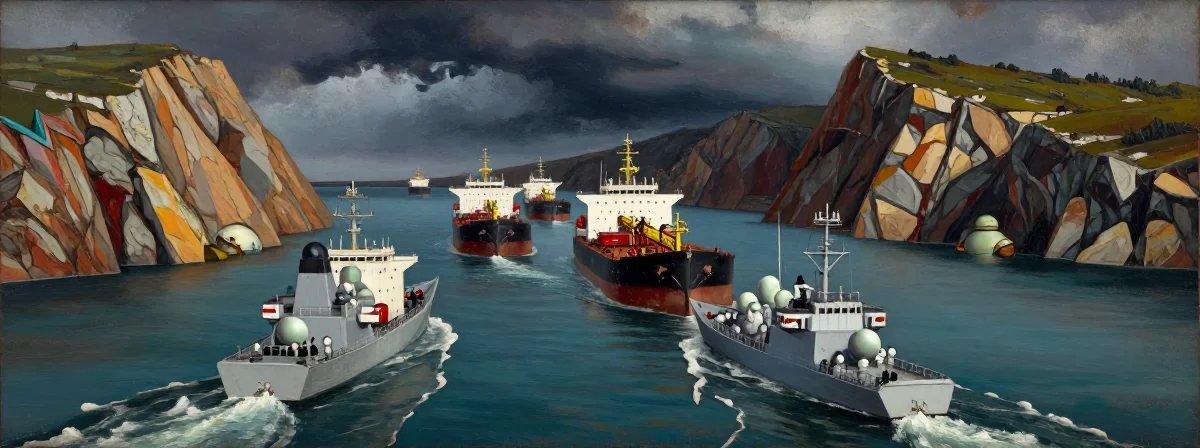
Ever been stuck in traffic because of a fender bender? Annoying, sure, but you know it’ll clear eventually. Now imagine that same lane is the only way out of a massive suburb—and someone’s threatening to blow it up. That’s Suez versus Hormuz in a nutshell. The first was an accident waiting to happen; the second is a deliberate game of chicken with the world’s energy supply. Let’s talk about why this matters to you.
Breaking It Down
**Suez was a fender bender; Hormuz is a bridge collapse.
Remember when that giant ship got stuck in the Suez Canal? Yeah, it was a mess—ships backed up, prices spiked—but it was temporary. Like a traffic jam caused by a truck jackknifing. Hormuz is different. This isn’t an accident; it’s a chokepoint being weaponized. Twenty percent of the world’s oil flows through that strait. Block it, and there’s no Plan B. No long way around. Just… nothing.**The Persian Gulf is a dead end.
Think of the Gulf as a cul-de-sac with one entrance and one exit: Hormuz. If that exit closes, the oil stays there. Period. Suez had an alternative—ships could go around Africa. Hormuz? No such luck. This isn’t about delaying shipments; it’s about stopping them entirely.**Minesweepers are in short supply—and so are allies.
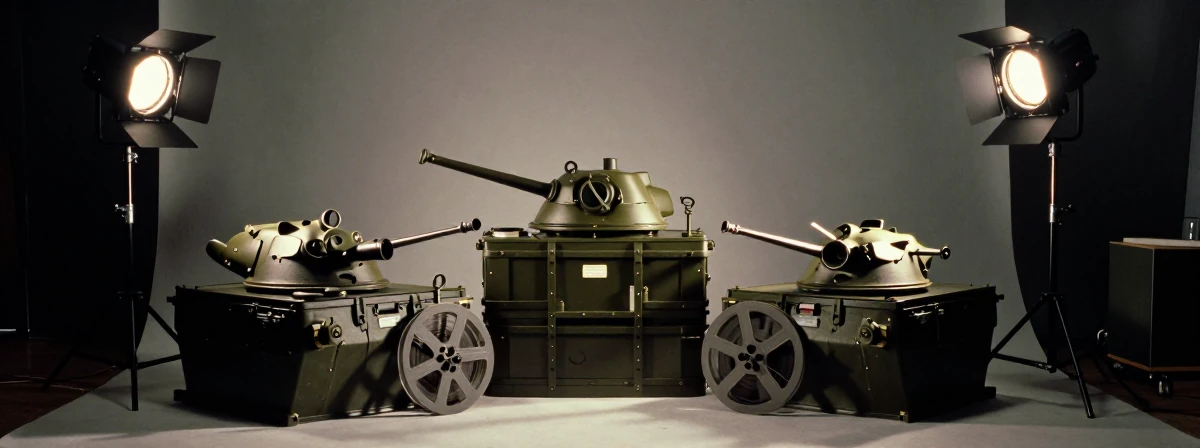
Clearing mines takes months, not days. And guess what? We don’t have enough minesweepers to do the job quickly. Worse, the ones we have are either decommissioned (thanks, budget cuts) or far away. Even NATO allies are hesitant to help—because helping the U.S. means enabling a conflict that could disrupt their energy prices too. It’s a mess of logistics and politics.
**Oil just got permanently more expensive.
When the Suez blockage happened, prices ticked up, then settled. This? This is different. Even if Hormuz reopens tomorrow, the cost of insurance, rerouted shipments, and risk premiums will stick around. It’s like a car-jacking on your daily route—you’re not taking that street again without hesitation. Same for oil tankers. Trust is broken.**There’s no “going around the horn” for Hormuz.
Some ships have been avoiding the Red Sea since the Houthis started attacking—taking longer routes. But that’s a workaround for some traffic, not the bulk of oil shipments. Hormuz carries 21 million barrels a day. The backup pipeline? Barely 4.5 million. That’s an 87% shortfall—not a 5% problem. The math doesn’t lie.
**This isn’t just about today—it’s about tomorrow.
The 1973 oil embargo taught us that messing with oil supplies can trigger global recessions. Today’s markets are even tighter. If Hormuz stays blocked, you’ll see higher fuel prices at the pump, pricier goods at the store, and maybe even rationing in worst-case scenarios. This isn’t alarmism; it’s arithmetic.**One word: alternatives.
Suez had alternatives. Hormuz doesn’t. That single difference makes all the others pale in comparison. When there’s no backup plan, the stakes are existential. The U.S. knows it, Europe knows it, and the Gulf states know it. That’s why this isn’t just a regional squabble—it’s a global crisis waiting to happen.
Worth It? Yes.
The Suez blockage was a blip. Hormuz? This is a tectonic shift. There’s no easy fix, no quick workaround. The world is suddenly realizing how fragile its energy lifeline is—and how much of it hinges on a narrow strip of water that someone just decided to weaponize. The next time you fill up your tank, remember this: some of that cost isn’t just about supply and demand. It’s about geopolitics, and right now, the dice are loaded.