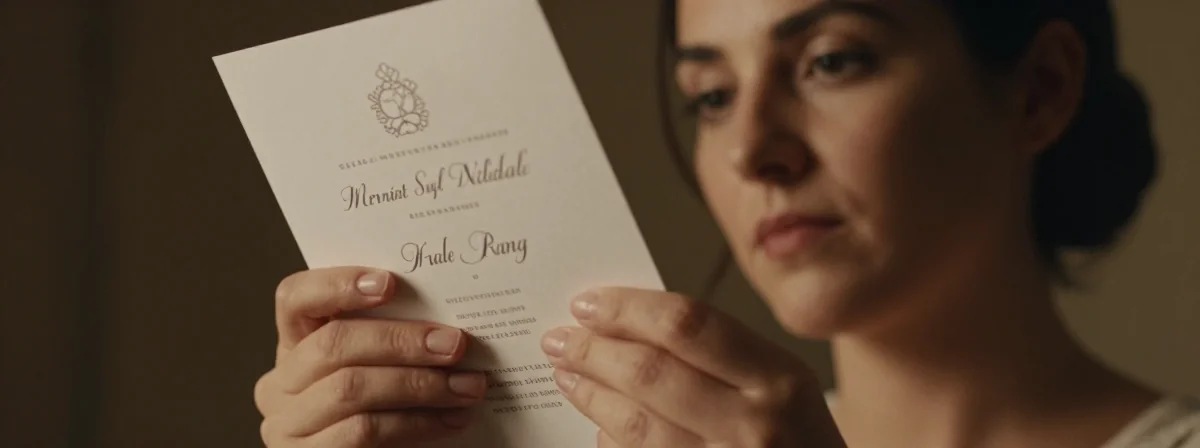
The wedding invitation arrived in the mail—a beautiful card with all the details: date, time, venue, dress code, even the catering options. But nestled in the envelope was something unexpected: a save the date card for the same event, sent nearly a year earlier. Why would anyone need both? Isn’t that just doubling up on paperwork and confusion? The truth is, there’s a method to this seeming madness, and understanding it could transform your entire wedding planning experience.
When my sister was planning her destination wedding in Mexico, she faced this exact dilemma. She’d booked the venue months before finalizing any other details. Sending invitations early seemed logical, but she hesitated—what if things changed? What if guests made plans based on incomplete information? The solution she found, and that many couples discover, lies in understanding the distinct purposes these communications serve.
Why Do We Even Need Save the Dates When We Could Just Send Invitations Early?
Imagine you’re planning a trip across the country for a year from now. Would you book your flights, hotels, and rental car right away? Probably not. You’d want to know the destination first, then the dates, then the details. Wedding planning follows a similar logic. The save the date is that initial destination announcement—it tells guests where you’re going (literally and figuratively) without getting into the nitty-gritty of how you’ll get there.
When my husband and I were planning our wedding, we sent save the dates as soon as we booked our venue—about eight months before the wedding. We had no idea what time the ceremony would be, what the catering options would be, or even if we’d have a hotel block. But we knew the date and location, which was enough for our out-of-state guests to start planning their travel. One of his cousins needed to request time off work months in advance, and another had to coordinate childcare arrangements that far ahead. The save the date gave them that essential heads-up without committing them to anything definitive.
What Information Should You Include in a Save the Date (And What to Leave Out)
The beauty of save the dates is their simplicity. They’re not meant to be comprehensive—they’re just placeholders. When we designed ours, we included only three things: the date, the city where the wedding would take place, and a website where we’d post updates as details solidified. That’s it. No times, no dress codes, no menu options—just the essential information guests needed to start clearing their calendars.
I remember looking at a friend’s save the date that included the time, venue name, and even catering details, sent a full year before the wedding. It seemed excessive then, but now I understand why she did it. Her family was traveling internationally, and she wanted to give them maximum flexibility in planning. For couples with guests who need to book expensive international travel or request extensive time off work, including more details can be helpful. But for most couples, less is more—keep it simple and save the specifics for the formal invitations.
How Far in Advance Should You Send Save the Dates (And Why Timing Matters)
The general rule of thumb is to send save the dates 6-12 months before the wedding, but this isn’t etched in stone. When we planned our destination wedding, we sent ours about nine months in advance because many guests would need to book flights and accommodations. My cousin, on the other hand, sent hers only four months before because it was a local wedding with no out-of-town guests, and she’d finalized most details by then.
The timing depends on several factors: how far guests need to travel, how long your engagement is, and how quickly you’re making decisions. If you’re booking a year ahead (like we did with our venue), sending save the dates shortly after booking makes perfect sense. If you’re still in the early planning stages, you might wait until you have more concrete information. The key is to give guests enough notice for their planning needs without asking for commitments too far in advance.
Why Asking for RSVPs Too Early Can Actually Hurt Your Planning
This was the biggest revelation for me when planning our wedding. I couldn’t understand why we couldn’t just ask people to commit months ahead of time—it seemed like it would make planning easier. But the reality is that asking for RSVPs 6-12 months before the wedding invites inaccurate responses. People’s circumstances change—jobs, family obligations, financial situations—they don’t know what they’ll be doing that far in advance.
We saw this firsthand with our wedding. We asked for initial responses about six months before the big day, with a note that it was non-binding. This gave us a general idea of attendance while acknowledging that plans could change. Then we sent a formal reminder about two months before with a firm RSVP deadline. This two-step process gave us the flexibility we needed while still giving guests time to make arrangements. It’s a delicate balance, but one that ultimately served both us and our guests better than asking for firm commitments too early.
What to Do When You Don’t Know All the Details Yet (But Need to Send Something)
This was our biggest challenge—booking the venue but not knowing the time, catering options, or even if we’d have a rehearsal dinner. The solution we found was to create a wedding website that we referenced on our save the dates. As details solidified, we updated the website, and guests could check back for the latest information.
We also included a line on our save the dates: “Details to be announced—check our website for updates.” This managed expectations without being vague. I remember one guest emailing us with questions, and we were able to direct her to the website where we’d posted the current information. It created a central hub for all wedding-related details that evolved as our planning progressed.
How Save the Dates Protect Both You and Your Guests
When we first started planning, I viewed save the dates as something we had to do for our guests—a courtesy. But as the process continued, I realized they were just as much for us. By giving guests advance notice, we prevented the nightmare scenario of someone booking a conflicting event or being unable to get time off work because they didn’t know about our wedding until it was too late.
On the other side, by not asking for firm commitments too early, we protected ourselves from the stress of managing changing guest counts. We could focus on the creative aspects of planning—choosing a theme, selecting vendors, designing the experience—without the pressure of final numbers hanging over us. It created breathing room in an otherwise overwhelming process.
The Modern Approach: When Save the Dates and Invitations Blur Together
I’ve noticed a shift in recent years toward more integrated wedding communications. Some couples are sending digital save the dates that function almost like mini-invitations, with more details than traditional cards. Others are using social media to announce wedding dates, effectively combining the save the date function with modern communication channels.
My niece and her partner took this approach—they announced their engagement and wedding date on Instagram, then created a shared Google document where guests could indicate their potential attendance and ask questions. It wasn’t traditional, but it worked perfectly for their tech-savvy guest list. The key is understanding your audience and choosing the communication methods that will reach them most effectively.
What the Wedding Industry Doesn’t Tell You About This Planning Stage
The wedding industry loves to sell everything—save the dates, invitations, websites, planning books, you name it. But what they don’t emphasize enough is that the purpose of these communications is communication itself. The products are secondary to the information exchange.
When we stepped back and focused on what information guests truly needed at each stage of planning, we realized we didn’t need elaborate save the date packages or matching invitation suites. We needed clear, timely information delivered in a way that was accessible to our guests. This perspective shift saved us thousands of dollars and countless hours of stress, allowing us to focus on what mattered most—the celebration itself.
The Single Most Important Thing to Remember About Wedding Communications
After navigating the entire wedding planning process—from save the dates to thank you cards—I’ve realized the most important principle is flexibility. Wedding planning is a journey, not a destination. Things will change, details will evolve, and that’s perfectly okay. The purpose of save the dates versus invitations isn’t about rigid etiquette—it’s about providing the right information at the right time to make the experience better for everyone involved.
So before you send out those first communications, ask yourself: what information do my guests truly need right now? How can I provide it without creating unnecessary pressure on them or myself? The answers might surprise you—and they’ll make your wedding planning journey not just more efficient, but more joyful.