
Your engine leaks. Every single one. A tiny bit of combustion gas slips past the piston rings with every explosion. It’s called “blow by,” and it’s not a bug—it’s a feature. Like a game that’s balanced around exploits, your engine is designed to live with this imperfection. Now let’s break down the elegant mess that makes it all work.
System Analysis
Piston Rings Are Spring-Loaded Cheaters
Think of piston rings as the rubber bands in a slingshot—always pushing outward against the cylinder wall. They’re cast iron, which means they’re springy yet firm. There’s a tiny gap in each ring to let it expand when hot (and contract when cold). During assembly, engineers offset these gaps so combustion gases don’t find a shortcut out. It’s like setting up a firewall where every port is monitored, but the ports shift positions as the system heats up.The Cylinder Wall Doesn’t Shrink—It Expands
This is where most people get it wrong. When metal heats up, the hole (cylinder) gets bigger, not smaller. The piston expands too, but engineers account for this by leaving a small gap. The rings flex to fill that gap as everything warms to operating temperature. It’s like a dynamic password that changes as the system loads.Race Cars Are Engineered to Be Broken at Room Temperature
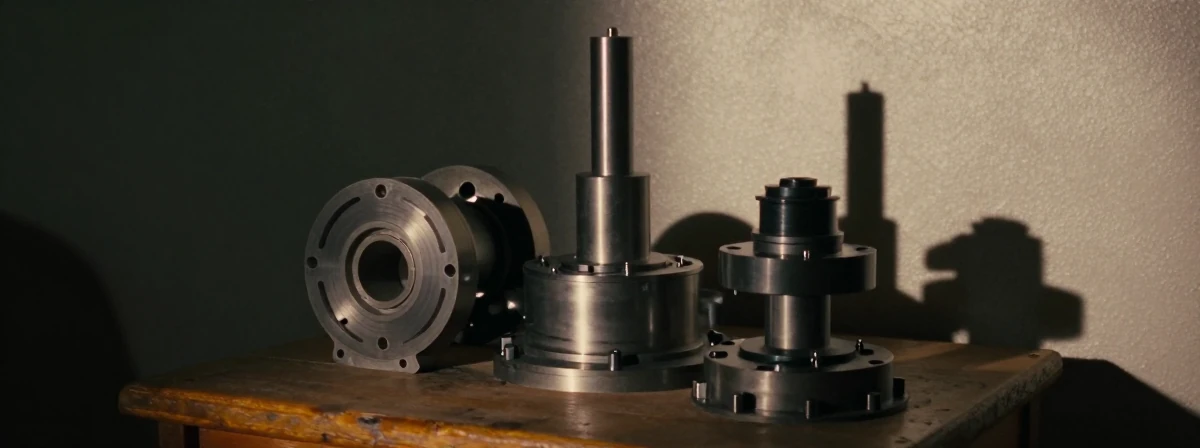
Formula 1 engines require pre-heating because their pistons are literally seized at room temperature. Thermal expansion is so extreme that the pistons fit perfectly only when hot. It’s like a game that needs to “warm up” before it can even start—except the game is your engine, and skipping the warm-up is a death sentence for performance.
Blow By Isn’t a Problem—It’s a Signal
All engines have blow by. A tiny bit of gas slipping past the rings is normal. Too much, though, and you’ve got a warped cylinder head or worn rings. It’s like your computer’s fan getting louder—the noise isn’t the problem, it’s the warning. Mechanics check for warpage with a straight edge (a machined bar so perfect it could be a ruler for straightness). Drop that edge, and you might need to re-machine it—because even a fraction of a degree off means the head won’t seal.Stop-Start Systems Cheat Physics—Literally
Mazda’s i-stop system (formerly SISS) injects fuel into a compressed cylinder and sparks it to restart the engine without a starter. It only works for short stops, but it’s brilliant. Other systems use hydraulic accumulators that store pressure while driving, then spin the engine at idle speed when restarting. It’s like saving your game state—except the “save” is mechanical pressure, not digital data.Cold Starts Are the Ultimate Wear Test
Oil is thick when cold, and the tiny gaps between parts are just big enough for metal-to-metal contact. Fuel condenses on cylinder walls (like your breath on a cold mirror), washing away the protective oil film. This is why most engine wear happens in the first few seconds. The solution? Let the engine idle until the oil pressure normalizes—usually until the RPM drops from high idle to low. In winter, that could take 30 seconds. It’s like waiting for your computer to boot fully before launching a resource-heavy app.Aircraft Engines Die Young Because They Live Hard
Continental and Lycoming engines (the kind in small planes) are air-cooled and run at near-maximum throttle. Cylinders are consumables—replace them every 1,800–2,000 hours. Flight schools see 90% of wear in the first startup of the day. Once the engine is warm, subsequent startups barely matter. It’s like a server that’s rebooted cold every morning but stays on all day otherwise.The Oil Film Is the Real Seal
Piston rings don’t touch the cylinder wall directly. There’s always a gap, and a thin layer of oil fills it. This prevents metal-on-metal contact and helps seal combustion pressure. Too much oil, though, and you get “cylinder wash”—fuel washing away the oil film during cold starts. Modern EFI systems compensate by running rich, but the damage is already done. It’s like trying to waterproof a tent by flooding the inside.Engineers Bet on Imperfection
Road cars are compromises. They work in any condition but aren’t peak efficient. Race cars demand perfect conditions. Even then, they’re a balancing act of thermal expansion, material science, and lubrication. The goal isn’t perfection—it’s controlled imperfection. Like a game where the best players exploit glitches, the best engines exploit blow by.
Optimization Tips
Your engine isn’t broken when it leaks a little. It’s working as designed. The next time you hear the phrase “blow by,” think of it as a feature, not a flaw. And remember: the first startup is the real enemy. Treat it with respect, and the rest is just routine. Because in the end, every system is only as good as its tolerance for imperfection.