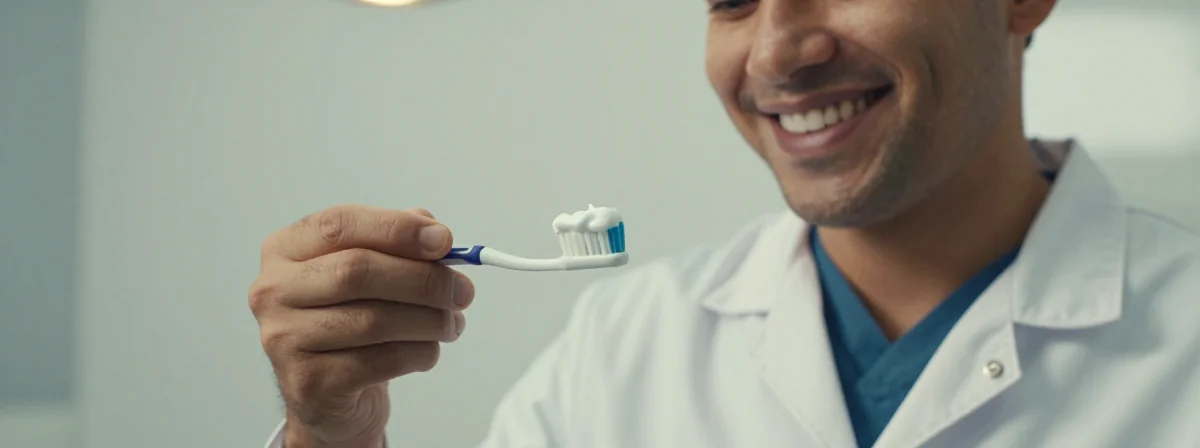
You stand in front of the mirror, toothbrush in hand, and spit into the sink. Then you reach for the faucet. But what if that final rinse is actually undoing all your hard work? What if the most counterintuitive dental habit could be the key to perfect teeth? I spent years rinsing religiously—until my hygienist dropped a truth bomb that left me questioning everything.
Breaking It Down
The Navy Toothpaste Myth (and why it matters)
I once heard someone call it “navy toothpaste” as a joke about leaving foam in your mouth. Turns out, there’s wisdom in that absurdity. Dentists actually prescribe high-fluoride pastes specifically for “leave-on” brushing—especially for patients with cavity-prone teeth. The idea isn’t just about fluoride; it’s about giving those active ingredients time to actually work instead of washing them down the drain.Your Dentist Isn’t Lying to You
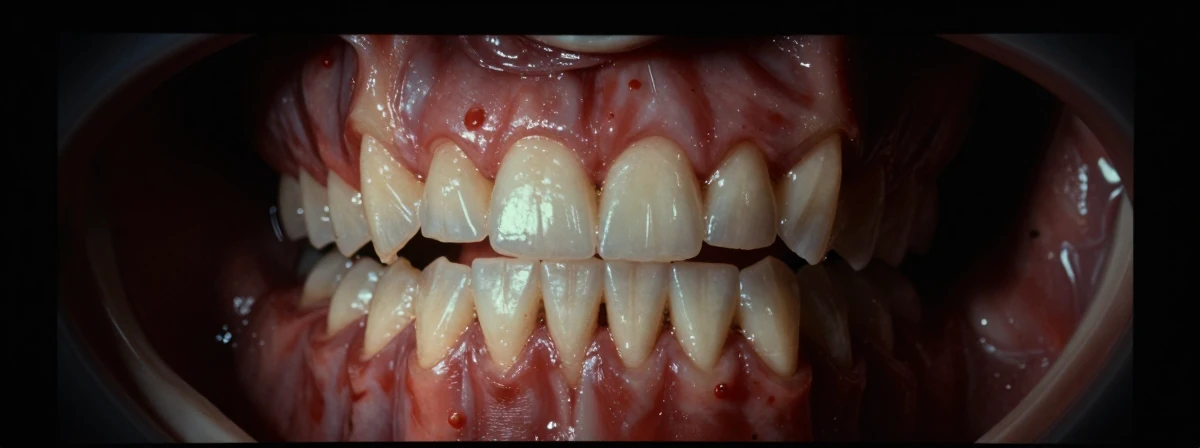
The hygienist who told me to skip rinsing wasn’t making it up. When I finally stopped rinsing, I noticed fewer dark spots forming on my molars. It took about six months, but my next checkup showed zero new cavities—my best result ever. And no, I’m not the “lucky” one with naturally good teeth; I’ve had fillings in the past.
- The Foam Isn’t the Enemy
That foamy feeling? It’s just air bubbles. The actual cleaning agents are still working even after you spit. Think of it like leaving a wax treatment on your car instead of hosing it off immediately. The gritty sensation some people hate? That’s usually just the abrasive particles clearing out the last bits of plaque—exactly what you want happening.
The NHS Actually Agrees
Yes, the National Health Service in the UK recommends against rinsing. Their guidance isn’t based on some fringe theory; it’s rooted in decades of research showing that fluoride needs about 30 minutes to fully penetrate enamel. The fact that this isn’t common knowledge in the US says more about our dental education system than the science itself.Your Water Isn’t Enough
Fluoridated tap water helps, but it’s like comparing a vitamin supplement to a full meal. Systemic fluoride (what you swallow) strengthens teeth from the inside, while topical fluoride (what you leave on) creates a protective barrier on the surface. You need both—but leaving toothpaste on gives you the best of both worlds without swallowing anything.The “Gritty Mouth” Solution
If that post-brushing texture drives you crazy, try this: spit thoroughly, then swish with a tiny bit of water just to remove the worst of the grit. You’re still leaving most of the fluoride behind while cutting down on the unpleasant feeling. It’s a compromise that works for even the most sensitive palates.Why the Toothpaste Box Lies
Those instructions to “rinse thoroughly” come from marketing, not science. Toothpaste companies want you to feel clean immediately—they don’t profit from teaching you how to use their product more effectively. It’s like those shampoo bottles that tell you to “rinse and repeat” when studies show most people only need one wash.The Saliva Problem Has a Fix
Constant drooling after brushing? Try this trick: brush for two minutes, spit, then wait 60 seconds before talking or drinking. That gives the fluoride time to start working while your saliva production normalizes. Most people find the urge to swallow subsides dramatically after just a minute.The Floss-Mouthwash-Brush Order
After years of experimentation, I landed on this sequence: floss first to loosen trapped particles, then mouthwash to clean between teeth, and finally brush without rinsing. My hygienist calls it “the three-step seal” because it traps fluoride in all the nooks and crannies where cavities love to start.The Fluoride Myth That Won’t Die
Despite what anti-fluoride groups claim, the science is clear: when used correctly, fluoride strengthens teeth without harming your body. The concentration in toothpaste is so low that even leaving it on isn’t dangerous. The real risk isn’t the fluoride—it’s skipping it entirely because of misinformation.
The Bottom Line
We’ve been conditioned to think of dental hygiene as a quick clean-and-go ritual. But the truth is, your mouth is a complex ecosystem that needs more thoughtful care. Leaving toothpaste on might feel weird at first, but it’s the difference between merely cleaning your teeth and actually protecting them. Next time you brush, try spitting—then nothing else. Your future self (and your dentist) will thank you.