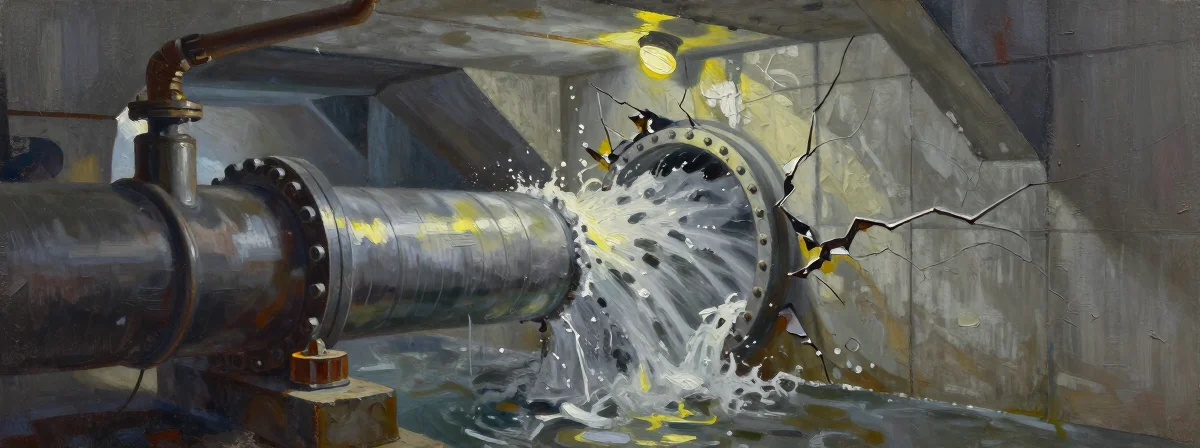
You assume the concrete and steel separating you from the ocean or the earth below is a perfect, impenetrable seal. It isn’t. Every major tunnel and deep foundation is, to some degree, a controlled leak that engineers frantically pump dry just to keep operational. It’s not about stopping nature; it’s about negotiating a temporary truce with it.
Beyond the Hype
It’s not just a tube in the water The Channel Tunnel isn’t sitting on the seabed like a straw; it’s bored deep into the chalk marl, a dense layer of rock that happens to be waterproof. That rock choice wasn’t an accident—it’s the geological equivalent of a waterproof sponge that holds its shape. Even then, they lined it with steel and concrete because trusting nature completely is a gamble you don’t take with human lives.
High-pressure grout acts like a spider web When engineers hit loose soil or cavities, they don’t just patch the hole; they pump grout at extreme pressures into the surrounding formation. This creates a tentacle-like network that solidifies and holds the water back from a distance. It’s proactive reinforcement, not just reactive patching.
We are flying blind down there
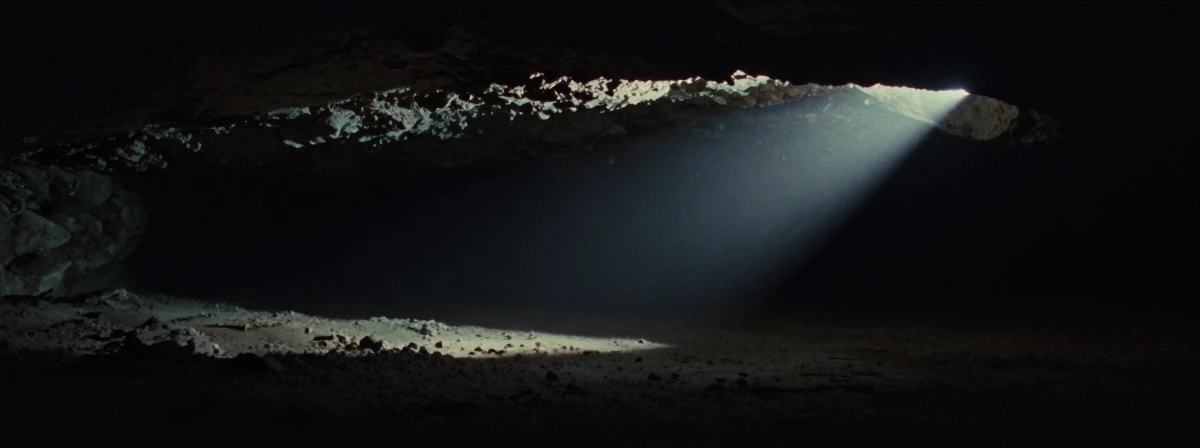
Geotechnical engineers drill test holes to map the subsurface, but it’s like trying to understand a movie by watching a single frame every ten minutes. You can never eliminate surprises, and the cost to drill more holes is astronomical.
- Sometimes, divers work inside the machine
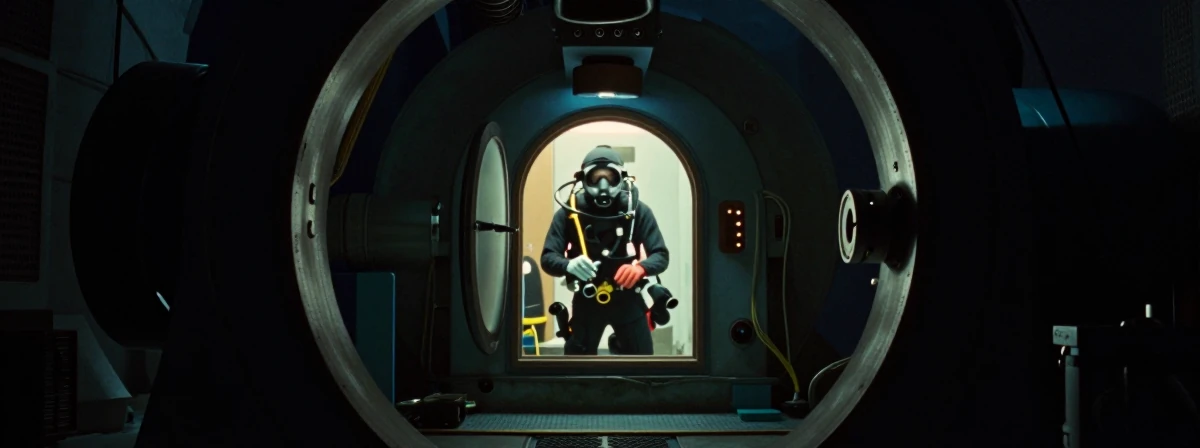
Tunnel Boring Machines maintain higher pressure at the cutting face to hold back water and soil. When a cutter needs changing, they pump in compressed air and send hyperbaric divers into the pressurized excavation chamber. It’s a high-stakes, physics-defying job that feels more like sci-fi than construction.
The goal isn’t perfection; it’s management You can’t engineer a perfect seal against the entire weight of the ocean or groundwater forever. The honest truth is that water does get in, and the infrastructure is designed with pumps and drains to handle that constant ingress. Just look at the New York subway—cut the power, and the groundwater comes rushing in immediately. The system works only as long as the pumps keep running.
Bridges take years because physics doesn’t negotiate Replacing the Scott Key Bridge isn’t slow because of incompetence; it’s slow because we are rewriting the rulebook while building it. The ship collision changed how we calculate impact loads, meaning engineers are designing for threats that didn’t exist in the codes when the original bridge was built. Even the “rush job” Samuel-de-Champlain bridge in Montreal took 42 months just for construction.
Real-World Reality
Stop thinking of infrastructure as invincible monoliths and start seeing them as dynamic systems fighting against entropy. Every tunnel you ride through and every bridge you cross is a battle against forces that are constantly trying to reclaim the space. The engineering isn’t about winning the war; it’s about holding the line long enough for us to get where we’re going.