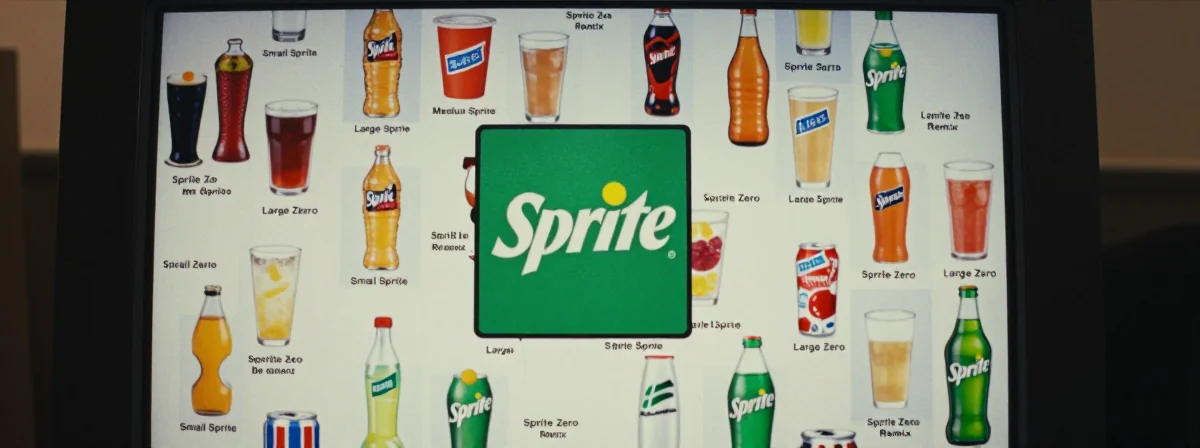
Some days you walk into a fast-food joint, ready to order a simple “large drink,” and you’re met with a blank stare or a pointed question: “Large what?” It’s not a trick. It’s not a test. It’s just… the way it is. And behind that seemingly arbitrary demand lies a web of systems, tracking, and yes, even a bit of corporate logic that’s managed to drive us all a little bit crazy. Let’s unpack this together.
The Evidence
- “POS” Stands for “Point of Sale”—And Sometimes, Exactly What You Think
You’ve seen it written on the screen, maybe muttered under a server’s breath: POS. To some, it’s just an acronym for the system that rings up your order. To others—especially those who’ve spent years wrestling with these systems daily—it’s a grim nod to reality. “Piece of shit system” might be harsh, but when you’ve watched a screen freeze mid-order for the tenth time that day, you start to understand. The frustration isn’t just in the moment; it’s in the layers of complexity hidden behind a simple cup size.
The Soda Machine Is Right There—So Why Ask?
You walk up to the self-serve station, the fountain drinks gleaming under the lights. You’ve already seen the options. Yet, the screen still demands you choose. It’s not about the obvious—it’s about the invisible. Every pour, every refill, every sip is data. The system isn’t just serving drinks; it’s tracking inventory, predicting restocks, and even catching discrepancies. That Sprite you just poured? It’s logged. The machine knows when the syrup is running low, and it’s quietly whispering, “Restock me.”Free Refills Are the Wildcard Variable
In the U.S., self-serve soda machines often come with an unspoken rule: free refills. This is where the system gets tricky. The register can’t possibly track every trip back to the fountain. So how do they know how much soda they’re actually going through? It’s not magic. It’s math. By tracking syrup usage against orders, they can estimate consumption. If the numbers don’t add up—say, you’re selling 100 sodas but using enough syrup for 200—they know something’s off. Maybe it’s theft. Maybe it’s a leaky machine. Or maybe someone’s just really thirsty.“Large Fountain Drink” Isn’t Just Polite—It’s Necessary
Ever said “large” and been met with a confused look? It’s not you. It’s the system. Behind the counter, there’s a whole world of drinks that aren’t self-serve: milkshakes, iced teas, lemonades, juices. Even water bottles might be separate. By forcing you to specify, the system (and the person using it) can quickly categorize your order. Is it a fountain drink? A specialty item? This isn’t just about speed; it’s about accuracy. A large coffee isn’t the same as a large Coke, and the system knows it.The Price Isn’t Just in the Cup
Here’s a secret: soda, water, and tea might all come out of the same fountain, but they don’t cost the same to the restaurant. Pricing varies. A fountain drink might be included with your meal, while a bottled water costs extra. By asking you to choose, the system ensures the right price is applied. It’s not about nickel-and-diming you; it’s about making sure the register matches the menu. Think of it as the digital equivalent of a server asking, “Lemonade or soda?"—just automated and slightly more exasperating.Inventory Tracking: The Silent Observer
Every time you pour a drink, you’re contributing to a larger dataset. The system tracks what’s popular, what’s not, and what needs restocking. If Sprite is flying off the shelves while Orange Crush gathers dust, the system will notice. This isn’t just about keeping the shelves full; it’s about predicting demand. It’s the difference between guessing and knowing. And in the fast-paced world of fast food, knowing is everything.The Acronym Isn’t the Problem—It’s the System
We laugh at “POS,” but the truth is, the acronym isn’t the issue. It’s the system itself. These Point of Sale systems are often built by committees that haven’t actually used them. They’re layered with features no one asked for, missing the basics we need. It’s like designing a car without ever driving it. The result? A system that barely works on its best days and drives everyone crazy the rest of the time. No wonder the acronym feels so fitting.
Case Closed
So next time you’re asked to specify your drink, take a moment. It’s not personal. It’s not arbitrary. It’s a messy dance between technology, inventory, and the simple fact that “large” doesn’t tell the whole story. The system might be flawed, the acronym might sting, but at least now you know why. Maybe it’s time we demanded better—systems that serve us as well as they claim to serve the business. Until then? Just say “large Sprite” and move on. It’s the least we can do.