
Some days you wake up and realize the world has rewritten the rulebook for human behavior—again. You’re scrolling through your feed, and suddenly everyone’s convinced that every fleeting thought or impulse must be labeled, diagnosed, and categorized. Post Nut Clarity isn’t just a moment of clarity after intimacy—it’s now apparently a symptom of ADHD. Or maybe ADHD is just a fancy name for feeling weird after climaxing. The lines blur, and suddenly you’re questioning everything you thought you knew about your own mind.
What we know so far is this: human experience is messy, and we’re desperate to make sense of it. So we grab the nearest label and slap it on anything that feels unfamiliar. But some things are just… human.
Examining the Claims
Not Every Impulse Needs a Diagnosis
Reports indicate that the idea of every man experiencing Post Nut Clarity (PNC) as a sign of ADHD is about as accurate as saying every sneeze means you have the flu. Multiple sources suggest that human behavior exists on a spectrum, and not every fleeting thought requires a medical explanation. Some people just… move on. It’s not a disorder—it’s life.ADD Doesn’t Always Equal PNC
If you’ve got ADD and you’re not experiencing PNC, you’re not alone. The truth is, these are two separate phenomena. One is a neurological condition affecting focus and impulse control, the other is a physiological response tied to hormonal shifts after arousal. Trying to conflate them is like saying every time you get hungry, you must have diabetes.
- Labels Don’t Create Reality
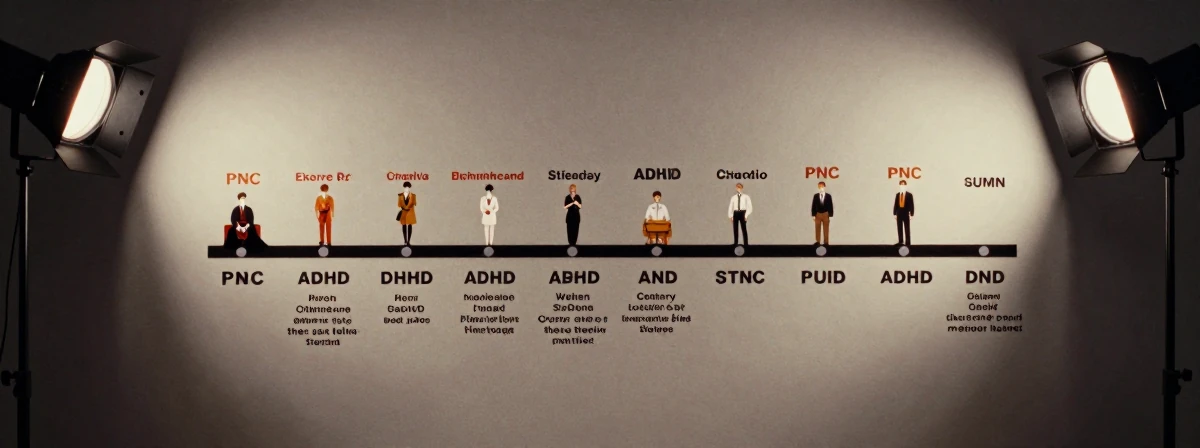
PNC has been a thing long before ADHD was even a household term. Humans have been experiencing moments of clarity or confusion after intimate moments for centuries. Just because we didn’t have a name for it doesn’t mean it wasn’t happening. The same goes for ADHD—people had it before we had the diagnosis. The condition existed; we just didn’t understand it.
ADHD Was Always There
It’s tempting to think that because something wasn’t diagnosed in the past, it didn’t exist. But that’s like saying the sun didn’t shine before we had telescopes. ADHD has always been part of the human experience; it was just less obvious in generations that didn’t demand sitting still for hours on end. Our environment changed, not the condition.Sometimes It’s Just… Biology
The idea that PNC is a side effect of something deeper might be overcomplicating things. Sometimes your body just has a reaction, and your brain follows suit. It’s not necessarily a symptom of anything—it’s just biology doing its thing. Trying to read too much into every fleeting feeling can lead you down rabbit holes you don’t need to explore.
Where the Evidence Leads
What we’re left with is a reminder that human experience is complex, and not every feeling needs a diagnosis. PNC and ADHD are both real, but they’re not the same thing. The urge to connect every dot, to label every feeling, is strong—but sometimes, the simplest explanation is the right one. Don’t let the need to categorize everything overshadow the beauty of just… being human.