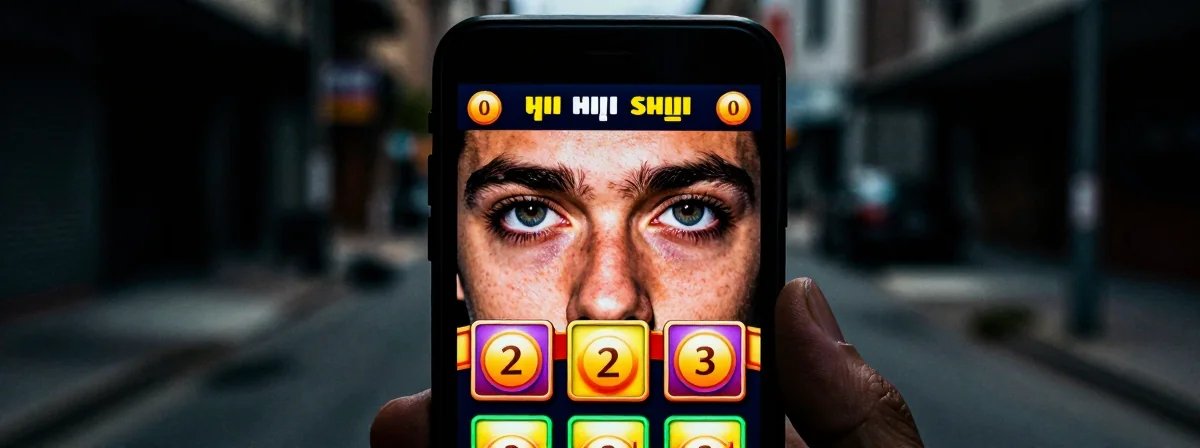
The sleek animations and polished interfaces of modern gambling apps create an illusion of harmless entertainment. But behind the minimalist design and intuitive UX lies a calculated system engineered to keep you engaged long after you meant to stop. It’s not just about the games—it’s about how these apps are designed to exploit psychological vulnerabilities while influencers turn a blind eye to their own complicity.
When you download a gambling app, you’re stepping into a world where aesthetics mask addiction. The clean typography, satisfying haptic feedback, and personalized recommendations all serve one purpose: to make losing feel like a minor inconvenience rather than a significant loss. This isn’t just smart design—it’s manipulative engineering at its finest.
Research shows that the average gambling app user spends 3.5 hours per session, far exceeding the time spent on other entertainment apps. The dopamine hits from near-misses and incremental rewards are carefully calibrated to keep you scrolling long after your initial intention to “just check it once.”
Why Do These Apps Feel So Dystopian?
The dystopian feeling stems from how seamlessly these apps integrate into your digital life. The login screen mimics your banking app, the notifications arrive at the same cadence as your favorite social media platform, and the rewards mimic the dopamine hits of likes and shares. This deliberate blurring of lines creates a dangerous comfort zone where gambling feels like any other digital habit.
Consider the color psychology at play: blues and greens suggest safety and growth, while subtle animations mimic the satisfaction of unboxing a new product. The app’s design doesn’t just facilitate gambling—it normalizes it by making it feel like a routine digital activity rather than what it is: a high-stakes behavioral addiction.
What’s even more concerning is how these apps leverage personal data to create hyper-personalized experiences. Your browsing history, spending patterns, and even emotional responses are used to tailor offers that hit you at your most vulnerable moments. This isn’t convenience—it’s surveillance capitalism at its most predatory.
How Influencers Enable the Problem
Influencers rarely disclose their relationships with gambling apps because the money is too good to pass up. The sleek sponsorships and paid promotions mask a dangerous reality: they’re profiting from an industry that preys on vulnerable users. The “just having fun” narrative they present ignores the thousands of users who develop gambling problems after seeing these apps normalized in their feeds.
The disclosure failures aren’t accidental—they’re strategic. Influencers know that subtle mentions and unmarked ads generate more engagement than explicit sponsorships. When they showcase the app’s interface without mentioning the odds or risks, they’re complicit in creating a false sense of security. This isn’t just bad marketing—it’s bad design ethics.
What’s particularly troubling is how influencers frame gambling as a skill-based activity rather than a game of chance. The curated videos showing “winning streaks” ignore the statistical reality that the house always wins in the long run. This curated optimism creates a dangerous disconnect between the presented reality and actual outcomes.
The Design That Hooks You
The moment you open a gambling app, the design works against you. The first-time user experience is meticulously crafted to create instant trust. The onboarding process feels like setting up a new social media account, not a gambling platform. The language is friendly, the colors are calming, and the initial rewards are generous enough to make you want to return.
The micro-interactions are where the magic (and manipulation) happens. The satisfying click of a button, the celebratory animation when you “almost win,” and the personalized notifications all serve to reinforce the behavior. These aren’t accidental design choices—they’re the result of extensive user testing to maximize engagement.
What’s particularly insidious is how these apps use variable reward schedules, the same psychological principle that makes slot machines so addictive. The unpredictability of when you’ll receive a reward keeps your brain in a constant state of anticipation. This isn’t just good UX—it’s behavioral engineering designed to bypass your rational decision-making.
The Hidden Costs of Convenience
When you download a gambling app, you’re not just installing a game—you’re signing up for a data-sharing agreement that tracks your behavior across platforms. The more you use the app, the more data it collects about your habits, preferences, and emotional responses. This data isn’t just for marketing—it’s used to optimize the app’s addictive potential.
The payment systems are designed to make spending feel incidental. One-tap payments, saved credit card information, and virtual currency systems all serve to reduce the psychological barrier between your wallet and the app. This seamless payment experience is the result of deliberate design choices that prioritize conversion over user protection.
What’s rarely discussed is how these apps target vulnerable populations. The personalized ads that appear when you’re browsing late at night or the special offers that appear after a series of small losses aren’t coincidental—they’re algorithmically determined moments when you’re most likely to spend. This isn’t just smart targeting—it’s exploitation.
Why This Matters Now More Than Ever
The normalization of gambling apps represents a dangerous shift in how we interact with technology. When apps that facilitate high-risk behavior are designed to look and feel like harmless entertainment, we lose our ability to make informed decisions. The sleek interfaces and intuitive experiences mask a deeper problem: technology that prioritizes engagement over well-being.
The ethical responsibility falls not just on developers but on all of us. By questioning the design choices that make these apps so compelling, we can start to demand higher standards for digital experiences. The next time you download an app, consider what it’s really asking you to do—and whether its design is serving your best interests.
What if we demanded that all apps that facilitate high-risk behavior adopt a different design language—one that makes the stakes immediately clear? What if the user experience of gambling apps made the risks as visible as the rewards? These aren’t just hypothetical questions—they’re design challenges we need to address collectively.
**