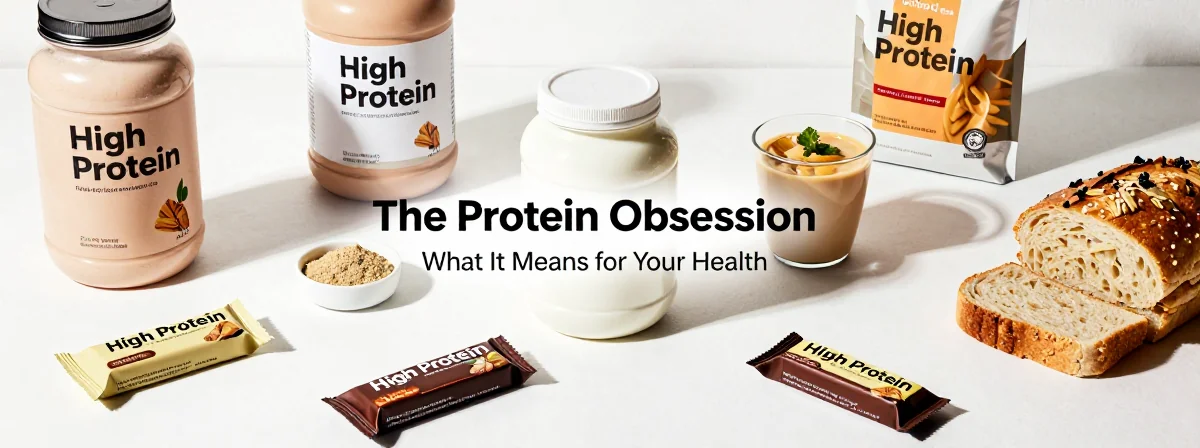
The grocery store aisle that once featured a modest selection of protein bars now looks like a science experiment gone wild. We’re seeing protein-infused waters, protein-enhanced pickles, and even cookies that claim to be “protein-packed” while still containing all the sugar and fat of their regular counterparts. This isn’t just a minor shift in food manufacturing—it’s a full-blown cultural phenomenon that’s reshaping our relationship with food and nutrition in ways we’re only beginning to understand.
What started as a practical solution for people with specific dietary needs has morphed into a marketing arms race that now permeates every corner of the food industry. The gluten-free movement taught us how quickly a niche requirement can become a mainstream marketing strategy, and now we’re watching the same transformation unfold with protein. But unlike gluten-free labeling, which had clear benefits for those with celiac disease, the protein craze seems to be driven by more complex and less transparent forces.
Why Did the Protein Trend Suddenly Take Over Everything?
The protein obsession we’re witnessing today didn’t emerge in a vacuum. It’s the result of converging factors that include genuine nutritional science, pharmaceutical innovations, and savvy marketing strategies. One of the most significant drivers has been the rise of GLP-1 medications like Ozempic, Wegovy, and Mounjaro, which have revolutionized weight management but also cause muscle loss as part of the weight reduction process. Doctors now recommend higher protein intake for patients using these medications to preserve muscle mass during weight loss—a practical recommendation that food companies quickly transformed into a marketing goldmine.
But the protein trend predates these medications. Remember the gluten-free craze of the early 2010s? Back then, finding suitable alternatives for people with celiac disease was nearly impossible. Then came the fad, and suddenly grocery stores were flooded with gluten-free options. The irony was that while these products helped those with actual medical needs, they also created a new category of ultra-processed foods filled with substitutes that might cause other digestive issues. We’re seeing a similar pattern with protein—products that once wouldn’t have considered adding protein now feel compelled to do so to remain competitive.
What’s the Connection Between Protein and Gluten-Free Movements?
The parallel between the protein trend and the gluten-free movement runs deeper than just market timing. Both represent how legitimate medical needs can be co-opted by broader cultural trends. When you have celiac disease, the gluten-free options that emerged during the fad were genuinely life-changing. As one person with the condition noted, “Even just 15 years ago was very rough.” The same dynamic is playing out with protein—people with genuine needs (whether due to medical conditions or specific fitness goals) benefit from more options, while the rest of us are left navigating a landscape where protein claims on packaging may not always translate to actual nutritional benefits.
What’s particularly interesting is how these trends force manufacturers to improve their products. The gluten-free craze led to significant improvements in texture and taste of gluten-free baked goods—companies had to compete to create products that actually tasted good. Now, with protein, we’re seeing similar innovation, though with different challenges. The question remains: are these protein-enhanced products actually better for us, or are they just responding to market demands in ways that may not align with optimal nutrition?
How Are Food Companies Using Protein Claims to Drive Sales?
The most striking aspect of the protein trend is how aggressively food companies are incorporating protein into products that never needed it before. We’re seeing protein-enhanced waters, protein-infused yogurts that were already protein-rich, and even pickles that proudly display “100% GLUTEN FREE!” labels despite pickles never containing gluten. This isn’t accidental—it’s a calculated response to consumer trends and marketing opportunities.
One revealing insight is how these labels address specific consumer concerns. For products like oats, which naturally don’t contain gluten but are often contaminated during processing, “gluten-free” labeling serves a real purpose for those with extreme sensitivities. Similarly, protein claims on certain products may address genuine nutritional gaps. However, when we see protein added to foods that were already complete nutritional packages, we have to question whether this is truly beneficial or simply a marketing tactic.
The most concerning aspect is how these marketing claims can obscure what’s actually in the food. A product might tout its protein content while neglecting to highlight added sugars, unhealthy fats, or excessive sodium. This creates a situation where consumers feel they’re making healthier choices when they might not be. As one observer noted, “The irony of gluten free foods is that they have awful ingredients in them that would most likely still cause GI issues to people with celiacs and NCGS”—a similar concern applies to many protein-enhanced products today.
What Role Do Medical Treatments Play in the Protein Obsession?
The connection between medical treatments like GLP-1 medications and the protein trend is one of the most significant but least understood aspects of this phenomenon. These medications have helped countless people manage weight and related health conditions, but they come with side effects that include muscle loss. Doctors recommend higher protein intake to counteract this effect, creating a perfect storm for food companies to market protein-rich products to this demographic.
What’s often overlooked is that this medical recommendation has trickled down to become a general wellness trend. People taking these medications need to be mindful of their protein intake, but now the broader population is adopting similar habits without the same medical necessity. This creates a situation where medical advice becomes mainstream lifestyle guidance, sometimes without the same level of evidence-based reasoning that guided the original recommendations.
The irony is that while these medications help people lose weight, they can also cause side effects like hair loss due to nutritional shifts—exactly what higher protein intake is supposed to prevent. This creates a feedback loop where people taking these medications are encouraged to consume more protein, which then becomes a marketing angle for food companies targeting everyone, not just medication users. It’s a complex interplay between pharmaceutical innovation, medical guidance, and consumer behavior that deserves more careful consideration.
How Has Social Media Amplified the Protein Trend?
The protein obsession wouldn’t be nearly as pervasive without the amplifying effect of social media and content creators. Fitness culture has quietly merged with a kind of self-optimization religion over the past decade, creating a perfect environment for protein to become not just a nutritional component but an identity marker. Being the kind of person who thinks about protein has become a way to signal health consciousness and discipline.
What’s particularly powerful about this trend is how algorithms reinforce it. When you start caring about your health, you begin consuming content about optimization, which then leads to increasingly extreme versions of that content. Before long, you’re in a world where protein isn’t just a nutrient but a moral imperative—a sign of commitment to a higher standard of living. This creates a market where companies are happy to sell you protein-enhanced versions of everything, from pancakes to pasta sauce, because they know there’s a segment of the population that will seek these products out specifically.
The most concerning aspect is how this has created a binary view of nutrition—either you’re optimizing your protein intake or you’re not paying attention to your health. This oversimplification ignores the complexity of nutrition and creates pressure to adopt potentially unnecessary habits. As one observer noted, “It’s that being the kind of person who thinks about protein has become an identity, and identities need uniforms, and the food industry is very happy to sell you the uniform.”
What Are the Unintended Consequences of the Protein Craze?
While protein is undoubtedly an essential nutrient, the way it’s being marketed and consumed today raises legitimate concerns about unintended consequences. One immediate issue is the potential for nutrient imbalances—focusing excessively on protein might lead to neglecting other essential nutrients like fiber, healthy fats, and various vitamins and minerals. This is particularly concerning when protein is added to foods that were already complete nutritional packages.
Another concern is the environmental impact of producing more protein-rich foods, especially if this leads to increased consumption of animal proteins. The sustainability of our food system is already under strain, and encouraging higher protein intake across the board without considering these implications could have far-reaching consequences. As one thoughtful observer pointed out, “Remember when everything was gluten-free for a bit, even if the base product was already gluten free?” We’re seeing a similar pattern now, but with potentially more significant nutritional and environmental implications.
The most subtle but perhaps most dangerous consequence is how this trend normalizes a certain level of nutritional anxiety. When protein becomes not just an option but an obligation, it contributes to a culture of food obsession that can border on orthorexia. This is particularly concerning when we see protein claims on products that were never intended to be protein sources, creating pressure to consume these products for reasons that may not align with actual nutritional needs.
Is There a Hidden Agenda Behind the Protein Trend?
While most food trends emerge from genuine consumer demand or legitimate nutritional needs, the protein craze raises questions about hidden agendas and market manipulation. One intriguing possibility is that the trend is being amplified by political figures and influencers with specific agendas. As one observer noted, “My guess is someone near RFK Jr wanted to bank on it, because he started the rhetoric with some weird ‘war against protein’ BS not that long ago.”
What’s particularly interesting is how these narratives can intersect with legitimate nutritional concerns. The idea that there might be a “war against protein” plays into a broader cultural suspicion of government and institutional guidance on nutrition. This creates a feedback loop where political messaging reinforces consumer behavior, which then becomes a marketing opportunity for food companies, regardless of whether the original claims were accurate or necessary.
The most concerning aspect is how these narratives can overshadow genuine nutritional science. When protein becomes framed as a political issue rather than a nutritional component, it becomes harder to have rational discussions about what constitutes a balanced diet. This creates an environment where marketing claims can easily outpace actual nutritional benefits, leaving consumers confused about what they should be eating and why.
What Does the Future Hold for Protein Marketing?
As with any food trend, the protein craze will likely evolve over time. We may see a maturation of the market where protein claims become more nuanced and targeted, rather than appearing on every conceivable product. We might also see regulatory changes that require more specific labeling about the types and quality of protein being added to foods.
What’s certain is that the protein trend has permanently changed how we think about food and nutrition. Even if the most extreme manifestations of the trend fade, the conversation about protein and its role in our diets will continue. The question remains whether this will lead to genuinely healthier eating habits or simply create new forms of nutritional confusion and anxiety.
The most important takeaway is that nutritional trends should always be viewed with a critical eye. While protein is undoubtedly important, the way it’s being marketed today suggests that many products are adding protein not because it’s nutritionally necessary, but because it’s a marketable feature. As consumers, we need to develop the skills to distinguish between genuine nutritional benefits and marketing claims, regardless of how scientifically plausible they may seem.