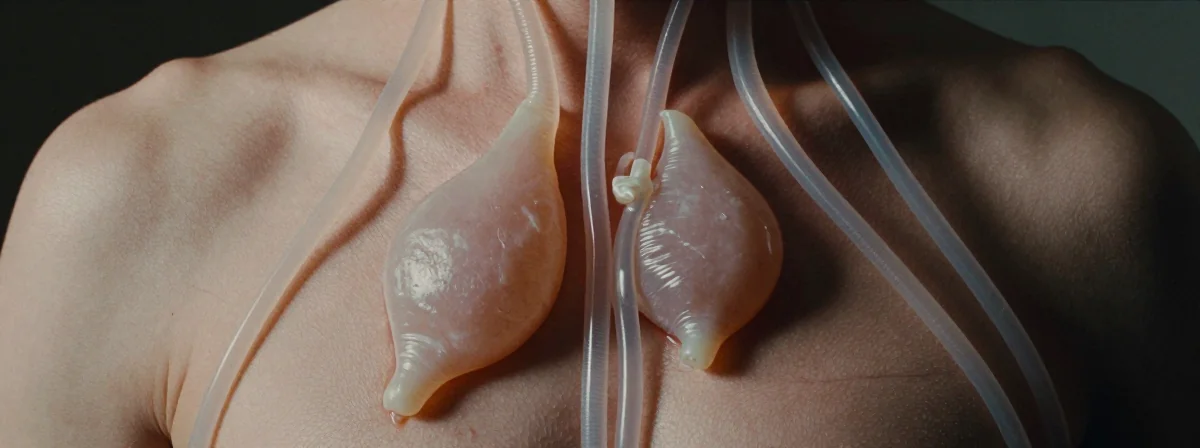
Ever wonder why a tiny cut doesn’t instantly drain you dry? Or why your organs don’t just slide around like Jell-O in a box? It turns out, your body is way more like a complex plumbing system and a set of interlocking bags than you ever imagined. Think about it—your insides are a marvel of design, and once you see it, you’ll never look at a tangerine the same way again.
Once You See It…
You’re Not Full of Blood—You’re Full of Tubes!
That’s right. The blood isn’t just floating around inside you like a swimming pool. It’s contained in a network of tiny tubes—blood vessels—that snake through your body. When you get cut, those tubes break open, and blood spills out. It’s like poking a hole in a hose—the water (or blood) comes out where the hose is damaged, not from everywhere at once. Wild, right?Your Organs Are Held in Place by a Web of Fascia
Imagine your organs are like delicate treasures suspended in a web. That web is called fascia—a strong, flexible connective tissue that holds everything where it’s supposed to be. It’s like the plastic wrapping around supermarket produce, but fleshier. And yes, if that fascia tears, things can shift—hence, hernias. Your body is a master of keeping things tidy, but it’s not invincible!You’re Kind of Full of Goo—But in a Good Way

Your organs aren’t just squishing around because of the fascia—they’re also lubricated by serosal fluid. This slick stuff lets your organs slide past each other when you move, so your lungs can inflate without sticking to your ribs, and your intestines can wiggle without friction. It’s like oil in a machine, but way cooler because it’s keeping your insides from getting stuck.
The Circulatory System Is a Series of Tubes—Not a Big Truck
Remember that classic line? It’s true! Your blood vessels are like a highway system—big arteries branch into smaller ones, and those branch into capillaries so tiny only one blood cell can fit through at a time. If you get stabbed and miss the big roads, you won’t bleed out instantly. It’s all about hitting the right tubes.Your Body Is Mostly Empty Space—Seriously!
No, not like outer space empty, but like a balloon with plenty of room inside. The ventral body cavity is this huge hollow space where your organs sit, cushioned by fluid and fascia. If you bleed internally, that’s a problem because blood fills the empty space and can press on your heart or lungs. But most of the time, it’s just… room. Your body is more spacious than you think.Sperm Are Like Tiny Explorers in Your Inner Cavity
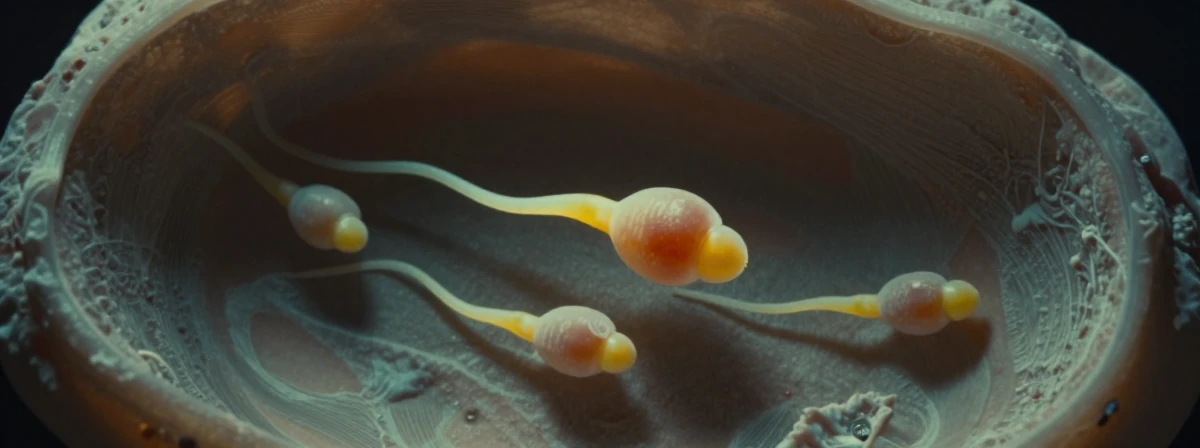
Here’s a fun fact: when sperm don’t find an egg, they don’t just disappear. They can float around in the central cavity of the body for days—yes, literally swimming around near your lungs, liver, and intestines. It’s like a microscopic adventure movie happening inside you. And no, this isn’t clickbait—your body is wild.
Think of Your Organs as Flesh Bags—Like Amniotic Sacs
Your organs are packed into fleshy bags that keep everything contained. It’s similar to how a lungfish’s lung is wrapped in a sac or how a baby is protected in the amniotic sac. These bags are flexible but strong, holding your guts in place without squishing them. Next time you unpack groceries, think of your body—same idea, but way more impressive.A Hernia Is When Something Pokes Through Where It Shouldn’t
If the fascia tears, an organ can push through the hole. That’s a hernia in a nutshell—a bulge where something’s escaped its fleshy bag. It’s like a rip in the packaging, and your body’s trying to hold it together. It’s a reminder that even the strongest web can fray.You’re Like a Tangerine Inside—Juicy but Structured
Remember how a tangerine has segments held together by pith? Your body is similar. If you peel it right, you get neat slices—your organs and muscles, all connected by tissue. Stab a tangerine, juice comes out. Stab you, blood comes out. The tubes break, but the structure holds… mostly.Your Brain Is the Exception—No Blood Allowed Directly
Unlike the rest of your body, your brain doesn’t let blood flow directly into it. Instead, blood hits a barrier and transfers oxygen and nutrients into a fluid that your brain floats in. It’s like your brain has its own private pool, keeping everything extra safe from germs and damage. Talk about VIP treatment!
Your body is a masterpiece of design—tubes, sacks, webs, and spaces all working together. It’s not a simple blood balloon, but a complex, interconnected system that keeps you going every second of every day. Next time you feel a pulse or take a deep breath, remember: it’s all about the tubes and the sacks. It’s all connected, and it’s all amazing.