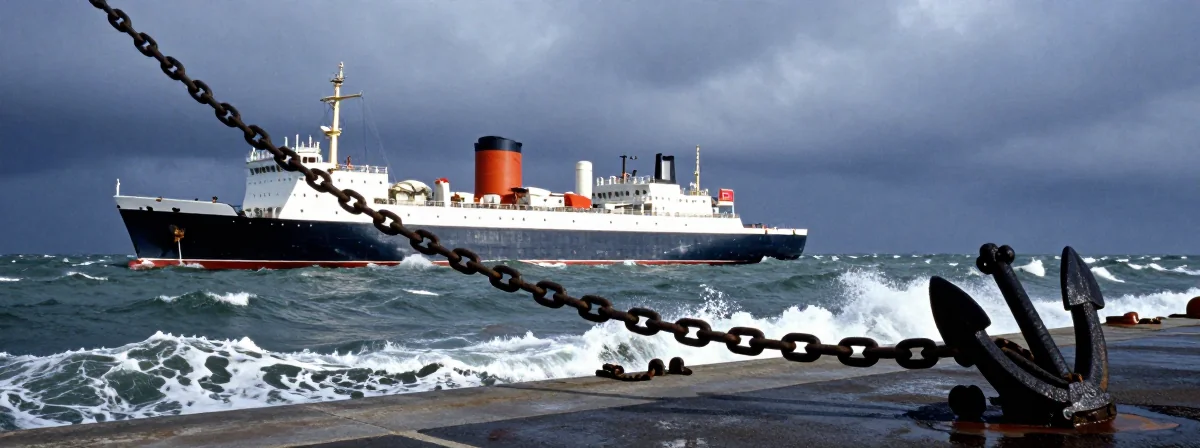
Some people think anchoring is just dropping a heavy metal thingy and calling it a day. Spoiler alert: it’s way more complicated—and way more interesting—than that. Forget what you thought you knew, because the real drama happens miles below the surface. Let’s spill the tea on what’s actually keeping those ships put.
So Here’s the Tea
That Little Anchor? It’s Basically Just a Door Mat.
Yeah, you heard me. The anchor itself? It’s not doing all the heavy lifting (pun intended). It’s just there to kinda hook onto the seabed and say, “Hey, chain, chill out here for a sec.” The real MVP is the chain—think of it as the giant, heavy bouncer that won’t let the ship budge. The anchor just gives it a place to stand. Wild, right?The Chain Is the Real Boss.
Seriously. Ships let out tons of chain—way more than the water is deep. Like, 5 to 7 times the depth, depending on who you ask. This creates what sailors call a “catenary curve,” which is just a fancy way of saying the chain sags like a hammock. When the ship tries to drift, that sagging chain has to lift all that weight upward, and it’s just too much effort. That’s what holds the ship in place—not the anchor digging in like a stubborn toddler.
- Anchors Aren’t for Stopping, They’re for Staying Put.

This is a big one. Anchors aren’t used to slam on the brakes like in an action movie. They’re for keeping a ship in one spot when it doesn’t need to be moving. Think of it like parking—except underwater. And if you do need to stop fast? That’s an emergency move, and it puts insane strain on the whole system. We’re talking violently jerking the crew around and risking busted equipment. Nobody wants that.
- Stuck Anchor? Just… Let It Go.
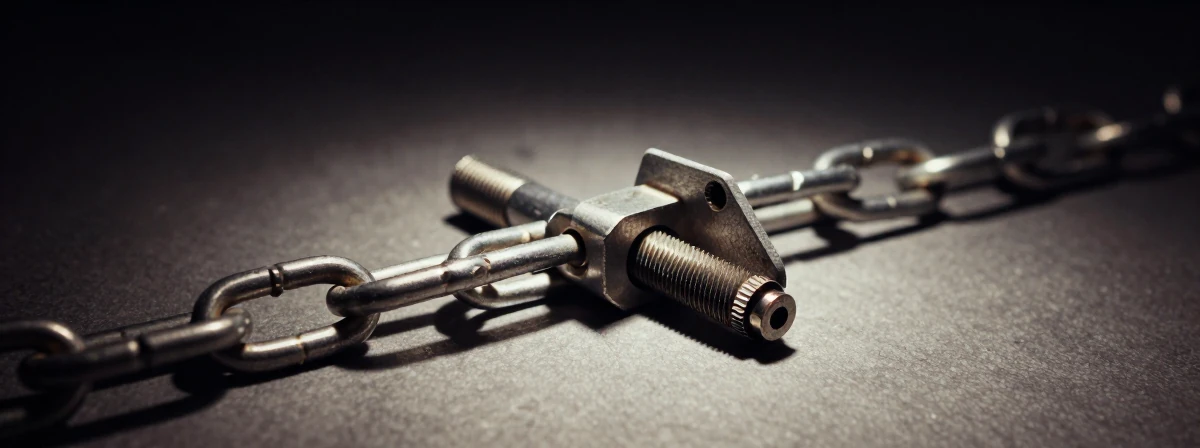
Okay, so sometimes an anchor gets stubborn. Like, really stubborn. In the navy, they’ve actually had to cut anchors loose—using explosive bolts or torches, no joke. Then they note where it went and send a salvage team later. It’s like leaving a party early but coming back for your shoes tomorrow. Not ideal, but sometimes you gotta do what you gotta do.
Deep Water? No Anchoring for You.
If the water’s too deep for your chain, tough luck. You can’t just magically make the chain longer. That’s why ships have something called “dynamic positioning” in deep water—basically, they use engines and thrusters to stay put without an anchor. It’s like the difference between parking in a spot vs. just idling with your foot on the brake.Want to Dig In? Get a Smaller Boat.
On tiny kayaks or yachts, yeah, you can actually bury an anchor. Some people literally put on diving gear, swim down, and dig a hole. Then they pull back in reverse to release it. It’s like extreme gardening, but with metal. Big ships? They don’t have time for that. They just rely on physics and hope the chain does its job.The Angle Is Everything.
Ever wonder why sailors fiddle with the angle when pulling an anchor up? Anchors are designed to grab when pulled horizontally (like dragging them along the bottom) but release when pulled straight up. So if it’s stuck, they just maneuver the boat until they get that perfect upward pull—and voilà, it pops free. It’s like arguing with someone until they finally give in.
What Do We Think?
So next time you see a ship anchored, remember: it’s not the anchor doing all the work. It’s the chain, the physics, and a whole lot of planning. Anchoring isn’t just dropping a weight—it’s a delicate dance between the ship, the seabed, and the ocean itself. And honestly? It’s pretty wild that we’ve figured this out at all. The ocean doesn’t mess around, and neither should we.