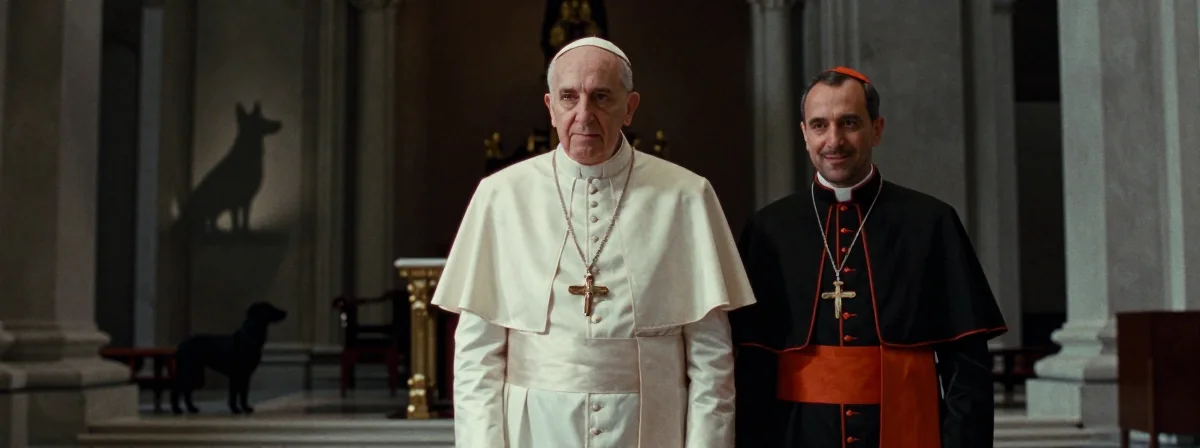
Some people just have a name that screams “I’m innocent”—and then go on to commit crimes that would make your blood run cold. Meet Innocenzo Cardinal Del Monte, the man whose life story reads like a cautionary tale about the dangers of nepotism, power, and a name that’s the ultimate cosmic joke. Because if you think about it, there’s nothing innocent about this guy.
This isn’t just a historical footnote; it’s a story that still resonates today, reminding us that some things never change—especially when it comes to the dark side of power.
Design Meets Performance
- A Name That’s the Ultimate Irony

Innocenzo Del Monte wasn’t just guilty—he was guilty as sin, and his name was the punchline to a joke no one wanted to hear. He murdered two people for speaking ill of him, was accused of raping two women, and somehow still walked around with the title of cardinal. The irony? His name literally means “innocent.” It’s like calling a serial killer “Blessed.” The joke’s on us, because history doesn’t care about your name—it cares about your actions.
- Picked from the Street, Elevated to Power

Innocenzo wasn’t born into privilege—he was a random dog walker Julius III plucked off the street, forced his brother to adopt, and then shoved into the cardinal’s seat. Why? Because the Pope had a thing for him. It’s the ultimate “fail upward” story, where zero skills and a criminal record somehow translate to a seat of power. The church’s hierarchy wasn’t just about faith; it was about who could pull the strings—and in this case, it was a pope with questionable judgment.
The Counter-Reformation’s Dark Secret
You’d think the Counter-Reformation was all about cleaning up the church’s act, but here comes Innocenzo, proving that some stains just won’t wash out. This was the era when the church was trying to regain its moral high ground after the Reformation—yet here was a cardinal who was literally a criminal. The fact that the other cardinals tried to convince Pope Julius to ditch him says it all: even they knew this was a disaster. But power, especially in the Vatican, has a way of making the worst decisions stick.Rigging Conclaves Was Basically a Hobby
If you thought rigging elections was a modern problem, think again. Innocenzo was accused of trying to rig two papal conclaves, likely for a fee. Because why not? When you’re already living in a world where you can get away with murder and rape, why not try to manipulate the highest office in the church? It’s like the ultimate power move—except it’s just proof that some people will stop at nothing to keep their grip on influence.He Couldn’t Even Read—And Still Ruled
Imagine being a cardinal who can’t read. It’s almost comical—except it’s not. Innocenzo was illiterate, a fact that should’ve disqualified him from holding any position of power. But in the world of papal politics, connections and influence mattered more than competence. It’s a brutal reminder that sometimes, the system rewards the wrong people for all the wrong reasons. And we’re still dealing with that today.Was He a Boyfriend or Propaganda? History Doesn’t Care
The rumors about Innocenzo and Pope Julius III range from “they were just close friends” to “they were lovers.” In an era without central heating, sharing a bed didn’t always mean sharing intimacy. But does it even matter? Whether it was a genuine relationship or a smear campaign, the fact remains: the Pope elevated a criminal to cardinal. The rest is just noise.Caligula’s Horse Has Nothing on This
We love to talk about Caligula making his horse a senator, but Innocenzo’s story is even wilder. A dog walker becomes a cardinal? It’s like the ultimate power fantasy—except it’s real, and it happened in the 16th century. The difference? Caligula’s horse never murdered anyone. Sometimes, the truth is stranger—and more disturbing—than fiction.
Looks Good, Works Better
Some stories from history are so absurd they feel like fiction—but they’re not. Innocenzo Del Monte’s rise to power is a reminder that the intersection of power, nepotism, and unchecked authority can create monsters in suits (or, in this case, vestments). It’s not just a historical curiosity; it’s a lesson in how systems can fail when they prioritize influence over integrity. And if that doesn’t make you think twice about the people in power today, nothing will.