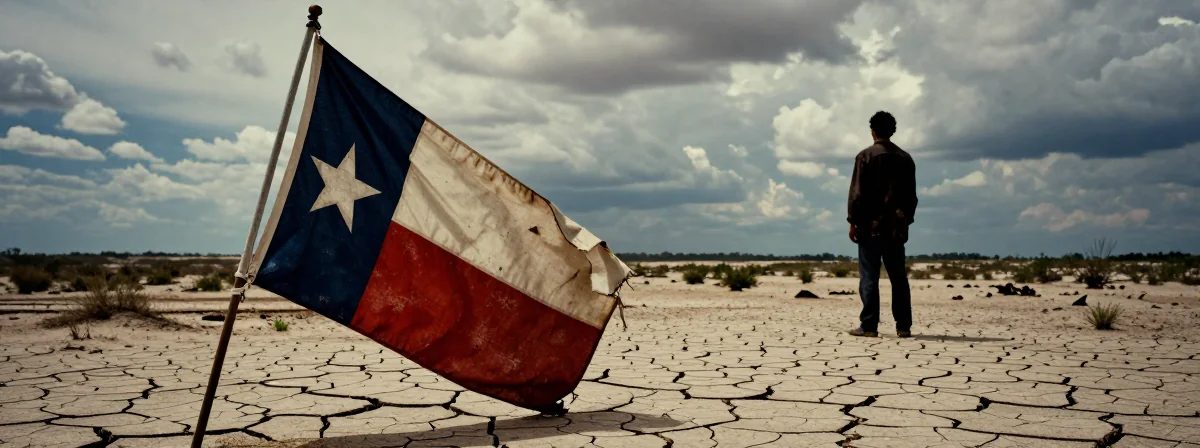
Somehow, we’ve managed to romanticize the Texas Revolution into a story of noble freedom fighters. But what if I told you the whole thing was rooted in something far more complicated—and darker? What if the real story isn’t about independence at all, but about power, land, and the relentless push for slavery? Let’s peel back the layers of this mythos and see what we find.
What I’ve Come to Believe
Sam Houston Was More Than Just a Leader—He Was a Proto-Green Beret.
Could it be that Sam Houston, the man we celebrate as a hero of Texas, was actually ahead of his time in military strategy? A YouTube video I stumbled upon recently made a fascinating case: Houston operated like an early special forces operative, blending diplomacy with military action in ways that would make modern Green Berets nod in approval. He wasn’t just fighting for land—he was carving out a new kind of warfare, one that prioritized infiltration and subterfuge. What if the blueprint for American expansion was being drawn right there in the Texas brush?Mexico Let Americans In Thinking They’d Stay Loyal.
Picture this: Mexico, fresh off independence from Spain, opens its arms to American settlers, hoping they’ll become loyal Mexican citizens. It sounds like a fair deal, right? But what Mexico didn’t bank on was the sheer distance and the settlers’ own ambitions. The communication lines were weeks long—can you imagine waiting weeks for a reply to a simple request? No wonder the settlers felt disconnected. Could it be that Mexico’s own system of governance, slow and centralized, was the real culprit? They were trying to rule from thousands of miles away, and it just didn’t work.The Slow Death of Mexican Authority in Texas.

Here’s the kicker: Mexico’s government was a mess. Liberals vs. conservatives, factional fights, you name it. Texas was often neglected, then suddenly punished when settlers acted without waiting for permission that might never come. It’s like trying to manage a remote team with no internet—everything falls apart. What if the real rebellion wasn’t about independence, but about the sheer impossibility of governing so far away? The only way to keep Texas loyal would have been to give it autonomy or build a communication network that didn’t exist. Neither was happening. No wonder things blew up.
Texas Independence Was Never Legit.
Hold on—Texas independence wasn’t even ratified? Yeah, you heard that right. Even Abraham Lincoln, no friend of the Confederacy, challenged its legitimacy. But here’s where it gets wild: the same people who romanticize the Alamo conveniently ignore this. They love to talk about noble causes, but the truth is murkier. The suspension of rights, the deposition of the old constitution—it pissed a lot of people off. And no, it wasn’t just about slavery, but let’s be real: slavery was the engine driving the whole machine. Could it be that we’ve been sold a sanitized version of history?Lincoln’s Surprising Take on Secession.
You might think Lincoln would condemn Texas secession, but he actually had a fascinating quote: “Any people anywhere, being inclined and having the power, have the right to rise up, and shake off the existing government…” Wait, what? He was talking about the Mexican-American War, but Confederate apologists love to twist his words. The full context matters: he was condemning the war as a pro-slavery venture. So even he saw the hypocrisy. What if the real issue wasn’t secession at all, but the reason for it?It Was the War Between the States—Not a Civil War.
Let’s get one thing straight: that war wasn’t civil. It was a brutal, messy fight over states’ rights—and yes, slavery was at the heart of it. The phrasing matters. “Civil” implies order, but this was chaos. It was about power, land, and the expansion of an institution that was tearing the nation apart. Could it be that the way we talk about it shapes how we remember it? Call it what it was: a war born of division, not unity.Mexico’s Dumpster Fire of a Nation.
Mexico in the 19th century was a mess. Texas wasn’t the only part trying to break away. Yucatan, Baja California, the Rio Grande Republic—they all wanted out. And why not? The central government was weak, corrupt, and couldn’t keep up. Santa Anna, for all his faults, somehow held it together. What if he’s the reason Mexico still exists today? Without him, it might have Balkanized into a dozen tiny nations. It’s a wild thought, but history is full of what-ifs.The Forgotten Republics of Mexico’s Fringe.
Ever heard of the Yucatan Republic or the Rio Grande Republic? Me neither, until I dug into this. The Yucatan actually tried to join the U.S. in the 1840s—can you imagine? And Texas? They were arming the Rio Grande rebels to create a buffer state. It’s like a domino effect: one rebellion leads to another, and suddenly you’re redrawing the map. What if the U.S. had more of Mexico? The map would look goofy, wouldn’t it?The Slavery Engine That Drove It All.
Let’s cut to the chase: slavery was the fuel. Andrew Jackson, James K. Polk—they were all Democrats pushing for expansion, and it wasn’t just about land. It was about the institution of slavery. The Mexican-American War, the Civil War—they all trace back to this relentless push. Could it be that we’ve been focusing on the symptoms and ignoring the disease? The fight for Texas wasn’t noble; it was about power and profit.The Alamo: A Symbol We Can’t Sit On.
We love to romanticize the Alamo, but maybe it’s time to look at it differently. It wasn’t a stand for freedom; it was a battle in a war born of greed and ambition. And those who romanticize it? They’re sitting on a truth they don’t want to face. Could it be that the real heroes are the ones who question the myth, not the ones who cling to it?
The story of Texas isn’t a simple tale of freedom. It’s a messy, complicated web of ambition, power, and the relentless drive for expansion—fueled by an institution that would eventually tear the nation apart. Maybe it’s time we stopped polishing the myth and started looking at the truth. What if the real lesson isn’t about heroes, but about the consequences of ignoring the dark side of history?