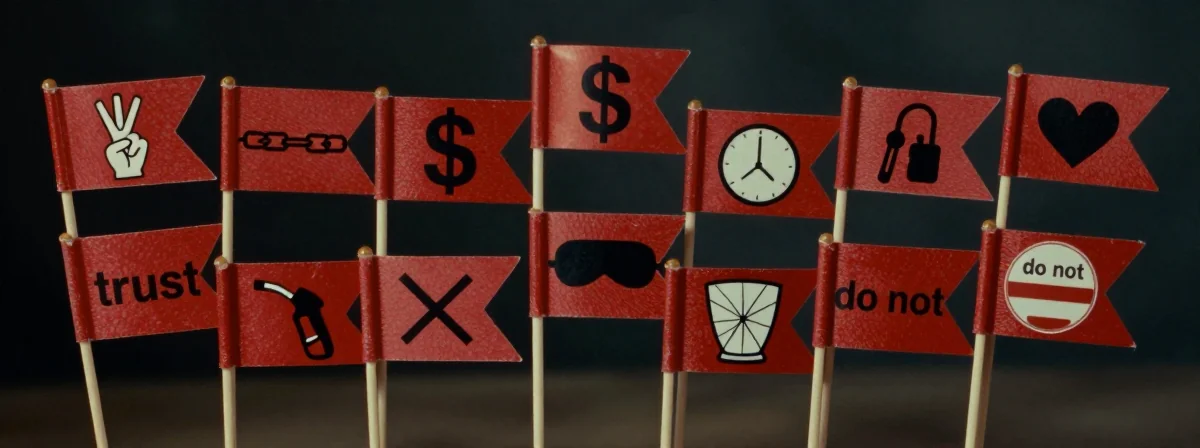
Relationships are supposed to be your safe haven, your partnership, your team. But what happens when the person you’re with starts showing signs that something’s off? It’s easy to dismiss small red flags, especially when you’re caught up in the honeymoon phase. But those little things often reveal the bigger picture. Here’s what to watch for before you end up in a relationship that drains you instead of uplifting you.
Some people wear masks, pretending to be kind and loving—until they don’t get their way. Then, the real them emerges. It’s not about occasional bad moods; it’s about patterns that show a lack of respect, empathy, or willingness to work through problems together. If you’re not paying attention, you might miss the warning signs until it’s too late.
Let’s break down the red flags that everyone ignores until it’s too late.
How Do They React When They Don’t Get Their Way?
This is the ultimate test. Do they throw tantrums, guilt trips, or emotional blackmail when things don’t go their way? Or do they take a breath, adjust, and find a solution? The way someone handles disappointment says everything about their emotional maturity. If they resort to begging, pity parties, or fake emergencies just to get what they want, you’re dealing with someone who doesn’t respect your boundaries.
I’ve seen it happen—people faking illnesses, creating drama, or playing the victim to manipulate others. It’s not about occasional bad days; it’s about a pattern of controlling behavior disguised as neediness. If you’re constantly walking on eggshells, it’s a sign that this relationship isn’t built on mutual respect.
Do They Disrespect Others When You’re Not Looking?
Pay attention to how they treat waitstaff, strangers, or even their own family. If someone is rude to others but sweet to you, that’s a red flag. Kindness that disappears the second you’re not around? That’s not kindness—it’s performance. True character shines through in how they treat everyone, not just the people they want to impress.
Likewise, how they handle animals says a lot. Cruelty or neglect toward animals is a sign of deeper issues. If they don’t value living beings, they likely won’t value you either when the relationship gets tough.
Are They Consistently Avoiding Conflict?
Conflict is inevitable in any relationship. But if your partner avoids difficult conversations, uses stonewalling as a tactic, or disappears when things get uncomfortable, you’re in for a rough ride. Avoidance might seem harmless at first, but unresolved issues pile up like emotional landmines.
I made the mistake once of thinking conflicts would resolve themselves with time. They didn’t—they just festered until I was resentful and disconnected. Healthy relationships require both people to be willing to talk through problems, not just sweep them under the rug.
Do They Make Time for Everyone But You?
If they’re always “too busy” for you but somehow have time for everything else, you’re not a priority. People make time for what matters. A partner who consistently cancels plans, ignores your calls, or gives vague excuses is showing you where you stand.
Remember: You’re not an accessory. You’re supposed to be a priority. If they can’t make time for you now, they won’t later. Don’t wait for them to change—value yourself enough to walk away if you’re not a priority.
Are They Overly Possessive or Controlling?
Love isn’t about ownership. If they constantly check your phone, demand to know where you are, or get angry when you spend time with friends, that’s not love—it’s control. Healthy relationships allow space and trust. If they can’t handle you having your own life, they’re likely insecure and will only become more controlling over time.
Likewise, if they insult you during fights, that’s a major red flag. Words said in anger can leave scars. A partner who attacks your character instead of addressing the issue isn’t worth your time.
Do They Love Bomb You One Day and Ignore You the Next?
Love bombing—where someone showers you with affection, gifts, and compliments—is a manipulation tactic. It’s designed to make you dependent on their approval. Then, they’ll withdraw it to keep you off balance. This cycle of hot and cold creates an unhealthy dynamic where you’re always chasing their approval.
If you feel like you’re walking on eggshells to keep them happy, that’s not love—it’s emotional manipulation. True love is consistent, not a rollercoaster of extremes.
What Do They Say About Their Exes?
This one’s tricky. Sometimes people genuinely dated toxic partners and are venting. But if someone constantly talks about how every ex was the devil, it might be a sign they’re the common denominator. While there are exceptions, look for patterns. If their stories always paint them as the victim, they might not take responsibility for their part in failed relationships.
Healthy people learn from past relationships without constantly blaming exes. If they can’t reflect on their own behavior, they’re unlikely to change.
Do They Lie or Withhold the Truth?
Lying, even small white lies, erodes trust. If someone can’t be honest with you, they don’t respect you. It’s better to hear “I’d rather not talk about that” than a lie. Truth might hurt, but lies will destroy your relationship from the inside out.
Pay attention to inconsistencies. If their stories don’t add up, they’re not being transparent. Trust is the foundation of any relationship—without it, you’re just pretending.
Are They Relationship Hoppers?
If someone jumps from relationship to relationship without taking time to heal, they’re likely running from their own issues. Healthy people take time between relationships to grow. If they’re always in a new relationship right after the last one ends, they’re not ready for commitment—they’re just avoiding loneliness.
Commitment means being present, not just moving from one person to the next. If they can’t be alone, they can’t be in a healthy relationship.
How Do They Talk to Their Parents?
How someone treats their parents often reflects how they’ll treat you in the long run. If they’re disrespectful, critical, or dismissive, that’s a sign of deeper character issues. Family is a mirror of who we are—how they show up there shows their true colors.
Likewise, how they handle animals or service workers reveals their empathy levels. Kindness isn’t selective—it’s consistent.
The Final Question: Do You Feel Like Yourself?
At the end of the day, ask yourself: Does this relationship bring out the best in you, or do you feel drained, anxious, or like you’re constantly walking on eggshells? Healthy relationships lift you up; toxic ones tear you down.
If you’re ignoring red flags because you’re afraid of being alone or because the good moments make you blind to the bad, it’s time to wake up. Your worth isn’t tied to being in a relationship—it’s tied to being in a relationship that respects you.
Don’t wait until it’s too late. Trust your gut, set boundaries, and walk away if someone consistently disrespects you. You deserve a partner who loves you, not just when it’s convenient for them.