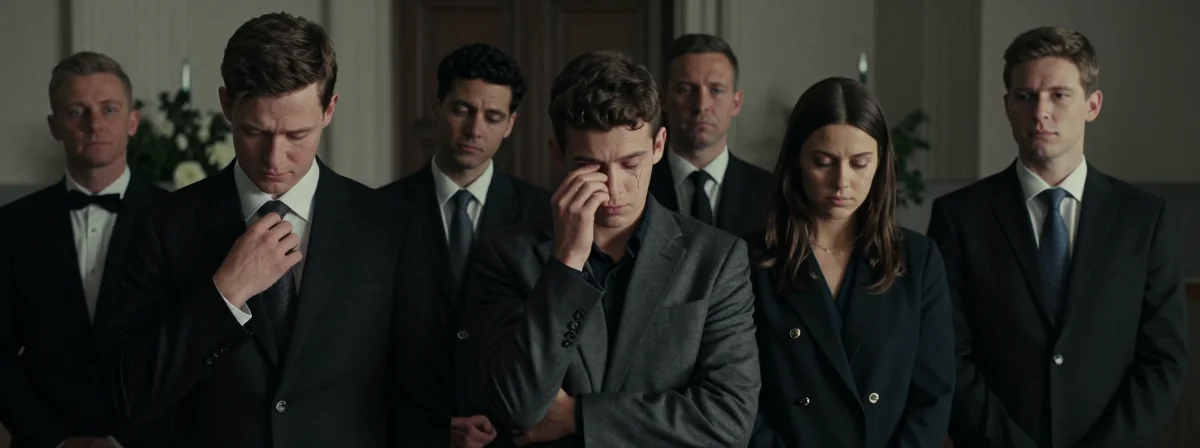
Some people avoid funerals like the plague. Others show up even when they barely knew the deceased. But here’s the truth no one prepares you for: the unspoken rules of funerals are as much about the living as they are about the dead. You’re not just there to grieve—you’re there to witness a lifetime of connections, some of which you never knew existed. And when you step into that room, you’re part of something bigger than yourself.
Funerals are where the invisible threads of a life become visible. They’re where strangers become witnesses, and where the smallest gestures can mean everything. Here’s what I’ve learned from standing in those rooms, watching the living process the loss alongside the grieving family.
Weighing the Evidence
- Strangers in a Room Full of Tears Are Welcome Guests
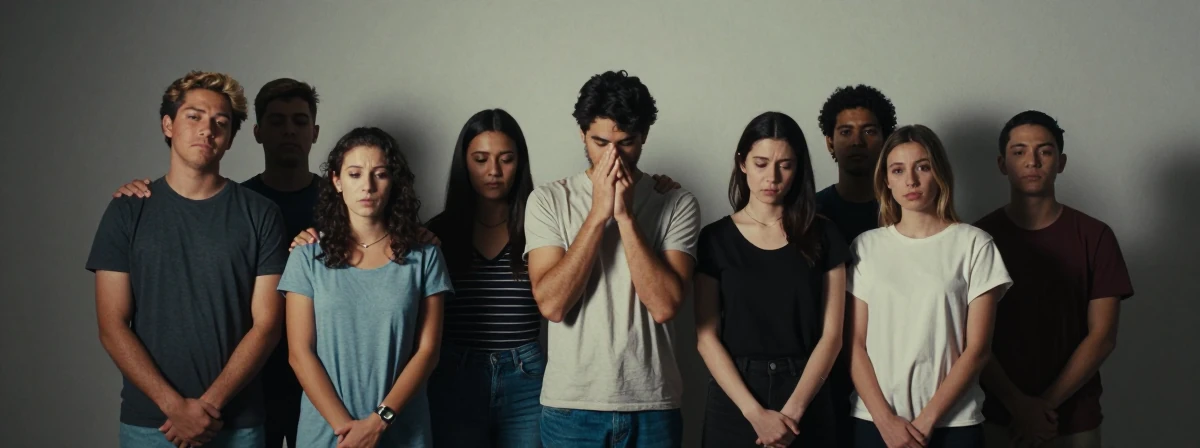
You don’t have to know the family to matter. Seeing people you didn’t know at a funeral isn’t awkward—it’s a reminder that your loved one touched lives beyond your circle. One family told me later how much it meant to see colleagues they’d never met, just showing up. It’s not about obligation; it’s about the ripple effect of a life lived.
Silence Speaks Volumes—But So Do Stories
Just being quiet and respectful is fine. But if you have a story, the family might need to hear it. I’ve seen families light up when someone shares a small memory—a joke, a kindness, a moment that defined the person. It’s not about performing; it’s about giving the family a piece of their loved one back. The burden of proof isn’t on you to say something profound, but if you have something to say, don’t hold back.The Power of a Simple “I’m Sorry for Your Loss”
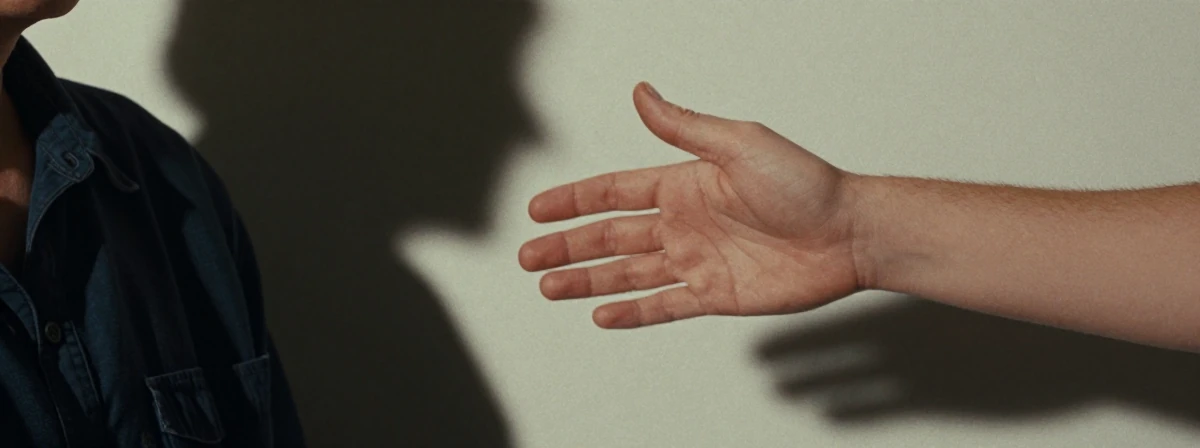
Don’t overthink it. Sometimes the most comforting words are the simplest. A stranger once came up to me at my uncle’s funeral and just said, “I’m sorry for your loss.” No stories, no small talk—just presence. It’s not about what you say; it’s about showing up. The family isn’t expecting a eulogy from you. They’re expecting kindness.
Don’t Let Awkwardness Keep You Away
You don’t have to be a social butterfly to attend. One person shared how comforting it was to see strangers approach them at their dad’s funeral—people they didn’t know, just offering condolences. It’s not about being comfortable; it’s about being brave enough to face discomfort for the sake of saying goodbye. The family won’t judge you for not knowing everyone. They’ll appreciate you for showing up.Your Relationship Matters—But Maybe Not How You Think
If you dated the deceased, or had a casual connection, the family might not mind. But context matters. One commenter noted how odd it would be to hear “We hooked up a few times” at a funeral. The key is to frame it respectfully. If the family asks how you knew them, keep it simple: “We dated for a while” or “We were close friends.” Honesty is good, but sensitivity is better.Public Service Doesn’t Mean Public Scrutiny
If the funeral is open to the public, it’s open to you. Funerals aren’t private affairs by default. Many families choose to have open services precisely because they want to see the breadth of their loved one’s impact. One person mentioned attending a friend’s viewing and realizing later they’d taken an envelope meant for donations—proof that even in grief, we’re human. The family isn’t watching for mistakes; they’re grieving.Funerals Are for the Living, Too
It’s not just about the family or the deceased. It’s about you, too. One commenter said, “It’s what funerals are for”—a place to process your own grief, even if you’re not directly related. You’re not intruding; you’re participating. The deceased had an impact on you, too, and funerals are where you can acknowledge that. Don’t feel guilty for grieving alongside strangers.The Back Row Isn’t the Silent Treatment
Sitting in the back isn’t a sign of disrespect. It’s a sign of humility. But don’t assume no one notices you. Families often look at the crowd and see the full picture of their loved one’s life. One person said, “They’ll see people in the back they don’t know, and may be comforted in knowing that people cared to show up.” You don’t have to be front and center to matter.
Reasonable Doubt Remains
The most important thing to remember is this: funerals are messy, beautiful, and deeply human. There’s no perfect script, no right or wrong way to be there. The only rule is to be kind—to the family, to the deceased, and to yourself. You’re not just paying respects; you’re becoming part of a story that’s bigger than any single goodbye. And that, in the end, is what funerals are really about.