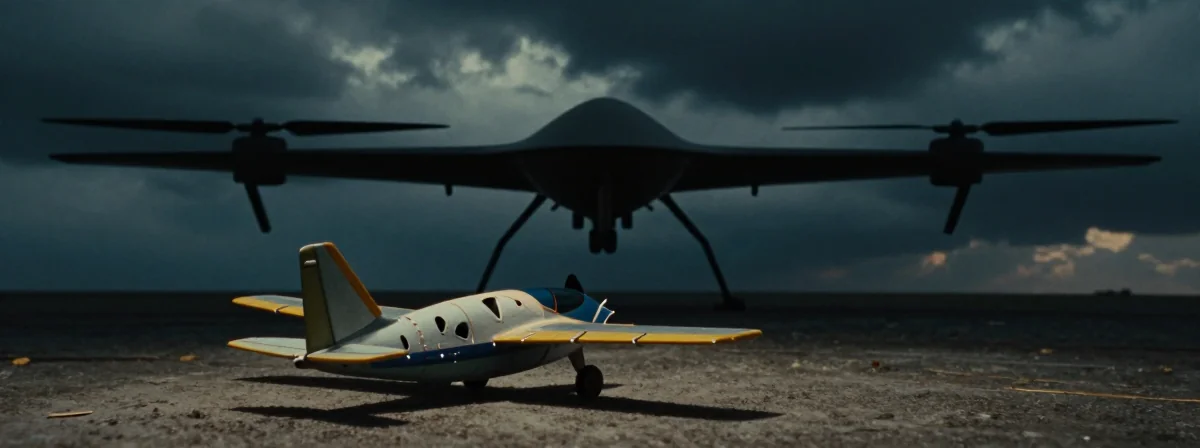
The headlines scream it: Iran is plotting to attack the US with drones launched from cargo ships. The panic is real—except for one thing. The story doesn’t add up. While the media and government push this narrative, the logistics are impossible, the timing is suspicious, and the real danger might be coming from somewhere else entirely.
This isn’t just another geopolitical scare. It’s a masterclass in manufactured fear, and if you look closely, the cracks in the story are everywhere. From the sudden focus on Iran to the convenient timing—right as other scandals fade—the pieces of this puzzle point to something far more troubling.
Consider this: The US has been here before. Time and again, governments use external threats to distract from internal failures. The question isn’t whether Iran could attack the US—it’s whether anyone in power actually wants you to believe they can.
Why Does This Threat Feel So Familiar?
Every few years, a new “imminent threat” emerges, and the pattern is always the same. A vague claim, zero proof, and immediate media amplification. The Epstein files? Forgotten. The Epstein-Trump war? Ignored. Instead, we’re told to fear drones from Iran—a country that, realistically, couldn’t pull off such an attack even if they tried.
The claim itself is absurd. Iran would need to:
- Sneak drones onto a cargo ship without detection.
- Launch them from international waters (370km+ from shore).
- Overcome the fact that their drones have a range of 1,000-2,500km—meaning they could be launched from much closer, making the whole “cargo ship” narrative redundant.
Even Ukraine, which shares a border with Russia, had to use elaborate schemes to get drones inside enemy territory. Iran, separated by an ocean, would need a miracle—or a willing accomplice.
The Logistics Don’t Add Up—But the Politics Do
Here’s the math: The US east coast is 1,500 miles closer to Iran than the Pacific. Why would they travel the Pacific to attack California? It makes no sense—unless the goal isn’t an actual attack, but fear.
Fear is the cheapest weapon in the arsenal. It unifies the population, justifies military spending, and distracts from inconvenient truths. The Epstein files? Forgotten. The FBI firing its Iranian intelligence unit? Buried. Instead, we’re told to focus on a threat that, if real, would be the dumbest military move in history.
Iran knows this. They could cripple the global economy by attacking oil refineries in the Strait of Hormuz—but instead, they’re supposedly planning a symbolic attack on the US? That’s not strategy; that’s a script.
The False Flag Question: Could They Be Setting Us Up?
The most disturbing possibility isn’t that Iran will attack—it’s that the US government might stage an attack and blame Iran. The playbook is clear:
- Create a plausible but unverifiable threat.
- Fire the experts who could debunk it (like the FBI’s CI-12 unit, which tracked Iranian sleeper cells).
- Wait for the “inevitable” attack.
The timing is perfect. With midterms looming and scandals piling up, a manufactured crisis could justify martial law, cancel elections, or even declare a state of emergency. The Epstein files? The FBI firings? All forgotten in the chaos.
This isn’t conspiracy theory—it’s history. From the Gulf of Tonkin to 9/11, governments have used false flags to expand power. The question isn’t whether they’d do it again—it’s whether we’ll recognize it when it happens.
What’s the Real Play Here?
Iran doesn’t need to attack the US. They have the Strait of Hormuz—a chokepoint that controls global oil prices. A single attack there could destabilize the world economy, yet we’re told to fear drones in California? That’s not a threat; it’s a distraction.
The real play is simpler: Keep the US bogged down in the Middle East, justify military spending, and distract from domestic failures. The Epstein files? The Epstein-Trump war? All irrelevant when you’re too scared to look.
The Only Thing We Should Be Scared Of
If Iran were serious about attacking the US, they wouldn’t need cargo ships. They could pay drug cartels—a group that operates freely across the border. They could use sleeper cells—already inside the country. They could even copy US drones, which are essentially Iranian designs.
But none of that matters. The real threat isn’t Iran; it’s the willingness of our own government to manufacture fear. When you’re told to panic, ask: Who benefits?
The answer, more often than not, is the same. The call is coming from inside the house. And until we stop answering, we’ll keep getting the same calls.