
Ever feel like caffeine is the only thing keeping you from collapsing into a heap of exhaustion—only to crash so hard later that you question whether it was worth it? Yeah, me too. But here’s the thing: that jittery, wired feeling isn’t energy. It’s just your body fighting back against a chemical it can’t handle. Let’s talk about what’s really going on in your bloodstream and why you’re probably doing it all wrong.
The Bigger Picture
Your body needs a caffeine schedule, not just a caffeine fix. Think about it: you’re pouring stimulants into your system at random times, then wondering why you can’t sleep. What if I told you that a slow-release system isn’t some futuristic invention—it’s called consistency. If you need caffeine to stay awake, your body needs to know when to expect it and when it’s coming to an end. Otherwise, you’re just rolling the dice with your own chemistry.
Physical exhaustion is the real sleep hack. I used to think caffeine was the key to staying awake. Then I started working manual labor, and you know what? Sometimes even a Coke at 2 p.m. leaves me wide awake and sore at 10 p.m. Caffeine doesn’t give you energy—it just keeps you from feeling tired. The real energy comes from burning it off. An hour in the garden after a sedentary day? That’s not just prep for sleep—it’s your body saying, “Finally, something to do with all this stored-up tension.”
Genetics might be why caffeine feels like a curse, not a blessing. Fast metabolizers break caffeine down four times faster than the rest of us. That means while some people feel a quick jolt and then nothing, others are stuck with the lingering effects for hours. Get a gene test if you’re curious—just make sure the company won’t sell your data when they go bankrupt. (Spoiler: most of them will.)
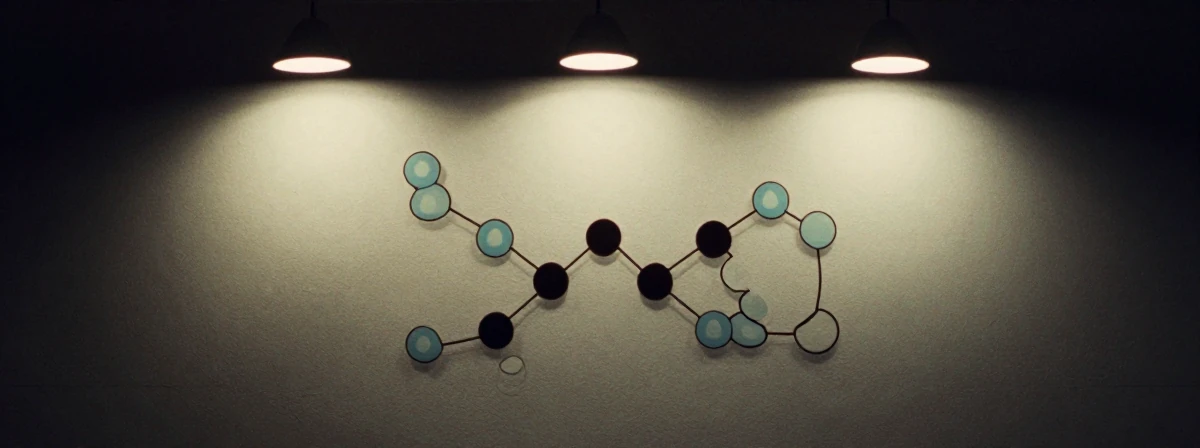
Nicotine isn’t just for smokers—it’s a caffeine accelerator. If you’re not a smoker but you wonder why caffeine seems to last all day, maybe you should try nicotine gum. Seriously. Nicotine dramatically speeds up caffeine metabolism. But here’s the catch: if your goal is to feel normal, you’re just swapping one addiction for another. Life modification through drug experimentation is a slippery slope—best to know what you’re getting into.
Cocaine in your coffee? It’s not as crazy as it sounds. I had a coworker who’d put a little cocaine in his coffee. No, really. He claimed it “got him going.” The science says you’d need to eat three times the normal dose to feel anything orally, but he had gum disease, so the cocaine was getting into micro-cuts in his mouth. It’s a wild world out there, and some people will do anything to avoid the crash.
ADHD and autism aren’t dysfunctions—they’re ancient survival traits. Think about it: in a world where you had to hunt large animals or avoid being eaten, hyperfocus and sensory sensitivity would be huge advantages. Now? We’re built for the grasslands, not for staring at glass rectangles. My repertoire of coping mechanisms might feel like a struggle, but I console myself knowing I’d have been a valuable member of the tribe 150,000 years ago. It’s not broken—it’s just outdated for modern life.
The half-life of caffeine is the real villain. You thought it was gone after four hours? Nope. The half-life means it’s still hanging around, just in smaller doses. If you’re sipping coffee all day, you’re essentially caffeinated 24/7. No wonder you can’t sleep. Maybe it’s time to treat caffeine like the powerful drug it is—instead of a harmless pick-me-up.
Open your mind. Caffeine isn’t just a crutch—it’s a trap. The real energy comes from within, from burning off tension, from understanding your own body’s chemistry. Maybe it’s time to swap the endless cups of coffee for a jog, a gene test, or a good old-fashioned nap. After all, the only way out of the chemical prison is to stop building the walls in the first place.