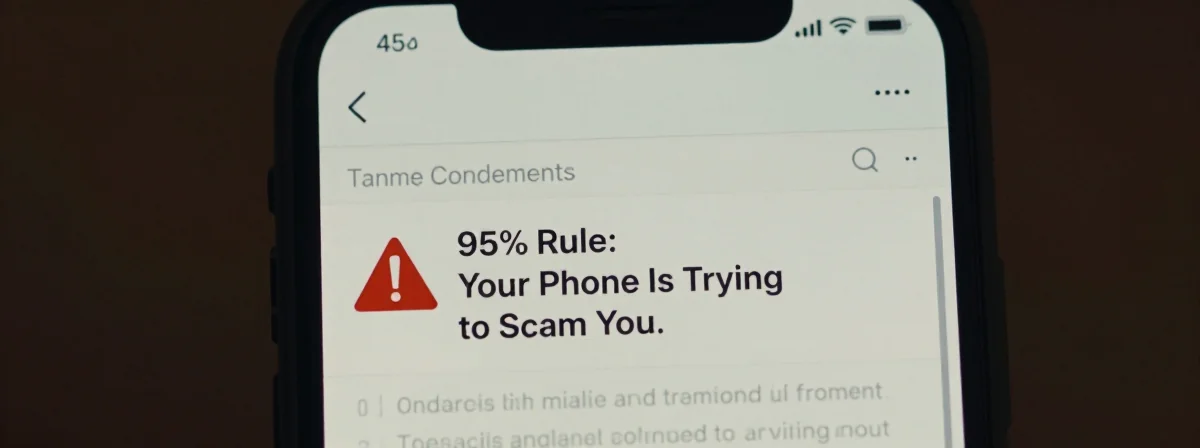
Your phone rings. You answer. It’s a Medicare scammer. Again. Sound familiar? Most of us have that sinking feeling the moment we see an unknown number — and historical precedent suggests it’s only getting worse. The research indicates that unwanted calls have become so pervasive they’ve fundamentally changed how we interact with our own devices. It’s not just annoying anymore; it’s a cultural shift.
The Academic Approach
- Your Phone Isn’t Ringing for You
Ninety-five percent of the time, that ring is a scam. Whether it’s Medicare fraudsters, fake energy company reps, or telemarketers hawking useless products, the numbers don’t lie. From an academic perspective, this isn’t just random noise — it’s a symptom of a broader economic reality where low-effort, high-volume scams are the most profitable business model. And yes, your dad might pocket-dial you, but let’s be honest: even that feels like a scam sometimes.
The Scammers Know You’re Tired
They call during dinner. They call when you’re trying to sleep. They call when you’re in the middle of something important. The research indicates that scammers are masters of psychological timing — they know when you’re least likely to hang up. It’s not just about selling you something; it’s about wearing you down until you give them a crack.It’s Not New, But It’s Worse
Remember when telemarketers just called during the day? Historical precedent suggests we’ve always had unwanted calls, but the modern version is relentless. The automation of scam calls has turned a minor annoyance into a full-blown epidemic. And while you might think you’re too savvy to fall for them, the scammers don’t need to fool everyone — just enough people to make it worth their while.The Phone Is Dead to Us

The truth is, we’re all a little jaded now. We screen calls. We let them go to voicemail. We’ve collectively decided that the phone isn’t worth answering unless it’s from someone we know. This isn’t just about scams; it’s about how technology has fundamentally changed our expectations of communication. The phone, once a tool for connection, has become a battlefield between your patience and their persistence.
- You’re Not Alone
Whether it’s fake energy contracts, Medicare scams, or just plain old telemarketing, the experience is universal. The research indicates that nearly everyone has been on the receiving end of these calls. It’s a shared frustration, a modern annoyance that binds us together in a collective sigh. And while you might feel powerless against them, the fact that we all recognize the problem is the first step toward solving it.
Further Study Needed
The phone has become a symbol of our time — a device that was meant to connect us but has instead become a source of constant irritation. The 95% rule isn’t just about scams; it’s about how we’ve lost trust in the very tools we rely on. Maybe it’s time to ask: what happens when the primary means of communication becomes something we actively avoid? The answer isn’t just about blocking numbers; it’s about rethinking the relationship between technology and humanity.