
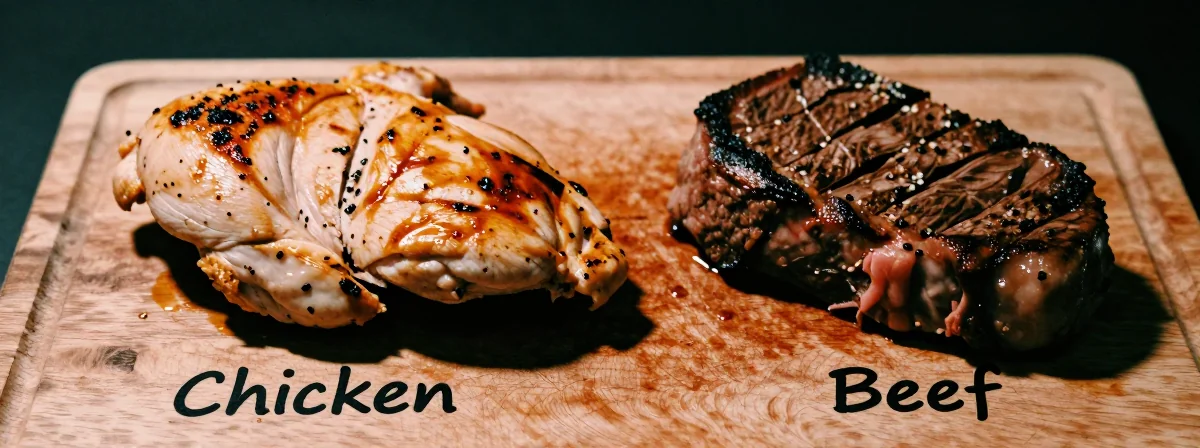
Ever notice how you can search for “chicken” and get pictures of both live birds and cooked meals, but searching for “beef” only shows steaks, not cows? It’s a small thing, but it trips people up all the time. The difference isn’t random—it’s rooted in how we’ve historically named animals and their meat. Some words evolved to mean both the living creature and its edible counterpart, while others split into separate terms. This isn’t just a curiosity; it’s a pattern that applies to dozens of foods, from fish to shrimp, and even explains why “Chilean sea bass” sounds fancier than “Patagonian toothfish.”
The key is simple: if the word for the animal and its meat are the same, you’ll see both live and cooked results when you search. If they’re different, you won’t. This rule holds true for most fish, poultry, and some seafood, but not for larger mammals like cows or pigs. The reasons? History, language evolution, and even class divides. Let’s break it down.
Why “Chicken” Works for Both the Bird and the Meal
Chicken is the perfect example of a word that hasn’t split. You can talk about a chicken in the coop and a chicken on your plate without confusion. The same goes for fish like salmon, shrimp, and even lobster. Search for “salmon,” and you’ll see both swimming in the wild and grilled on a grill. Search “shrimp,” and you’ll get everything from pet shrimp to shrimp scampi. The reason? These animals were historically closer to everyday life for most people—farmers, fishermen, and home cooks all dealt with them alive and dead.
This is why seafood often follows the same-name rule. Lobster, crab, clams—they’re all words that refer to the animal and its meat interchangeably. Even “Chilean sea bass” (formerly Patagonian toothfish) works this way, though the name change was purely marketing. The food industry often renames things to sound more appealing, but the underlying rule remains: if the word is the same, you’ll see both live and cooked results.
Beef, Pork, and Other Split Names Have a Darker History
Beef and pork are different because of Norman French influence after the Norman Conquest of England in 1066. The French-speaking aristocracy who ate the meat used terms like “beef” (from boeuf) and “pork” (from porc), while the Anglo-Saxon farmers who raised the animals used “cow” and “pig.” Over time, these terms split: “beef” and “pork” became the words for the meat, while “cow” and “pig” stuck to the animals. It’s a linguistic relic of class division—evidence that the people who ate the food didn’t interact with the animals.
This isn’t the whole story, though. The divide only became rigid in the 1800s, long after the Norman influence. For centuries, “beef” could refer to both the cow and its meat, just like “cow” could refer to the animal or its meat. The strict separation we see today is a more recent development, but it’s why searching for “beef” won’t show you cows.
Fish and Seafood: The Universal Same-Name Rule
Fish are almost universally the same in name whether alive or cooked. Search for “salmon,” “tuna,” or “trout,” and you’ll get images of both the swimming fish and the fillets. This is because fishing was (and often still is) a direct interaction with the animal. There was no aristocratic layer separating the person catching the fish from the person eating it. The same goes for shrimp, lobster, and crab. Even “mantis shrimp” follows this rule—search in English or Chinese (lä nuǎo xiā), and you’ll see both the live crustacean and the cooked dish.
The exceptions are rare. “Clam” is mostly the same, but “oyster” can sometimes lean toward the cooked version in search results. Still, the pattern holds: the closer the food is to everyday, direct interaction, the more likely its name stays consistent.
Lamb, Mutton, and Other Nuances
Lamb is a special case. It refers to the meat of a young sheep, but it also refers to the young animal itself. This is why searching for “lamb” shows both fluffy baby sheep and roasted leg of lamb. The older sheep’s meat is called “mutton,” but the word “sheep” is rarely used for meat. This split is similar to beef and pork, but less rigid because “lamb” is so strongly tied to the young animal.
The same applies to turkey—search for “turkey,” and you’ll get both the live bird and the Thanksgiving feast. But “duck” and “goose” are also consistent. The broader category “poultry” exists, but it’s rarely used in everyday language, which is why chicken, turkey, and duck keep their names.
Why This Matters: More Than Just a Language Quirk
Understanding this rule helps you navigate food terminology, but it also reveals something about how we relate to what we eat. Words like “chicken” and “salmon” reflect a direct connection to the source of our food, while “beef” and “pork” reflect a historical disconnect. This isn’t just pedantry—it’s a reminder that language carries history, class, and culture. The next time you’re confused about why “cow” isn’t the word for beef, remember: it’s because the people who named it weren’t the ones who raised it.
Food naming isn’t just about convenience; it’s about identity. The same-name rule for chicken, fish, and seafood shows how closely we’ve lived with these foods, while the split names for beef and pork show how distant we’ve become from their origins. It’s a small insight, but it changes how you think about the food on your plate.