
Ever stared at a screwdriver and wondered why it looks the way it does? Or why some tools feel “right” while others just don’t cut it? The answer might be hiding in plain sight—in the props of a galaxy far, far away. Star Wars isn’t just about lightsabers and space battles; it’s a masterclass in practical design, and its props hold lessons we can apply to real-world tools today.
The truth is, the engineers who built Star Wars props faced the same constraints we do: budget, materials, and the need for something that looks and works just right. Their solutions often mirror the best practices in modern tool design, whether they meant to or not.
Let’s break down how Star Wars tech can actually make you a better DIYer or tinkerer.
Why Does R2-D2 Have Stamped Metal? It’s About Mass Production, Not Just Looks
R2-D2’s iconic body isn’t just for show. That stamped metal exterior? It’s a dead giveaway that these droids were mass-produced. In the real world, stamping metal is a cost-effective way to create identical parts quickly. It’s why your car, your phone, and even your kitchen utensils have stamped components.
The Star Wars prop department knew this. They used vacuum-formed plastic (which looks like metal) to create R2-D2’s shell because it was cheap, fast, and could be easily removed for repairs or modifications. This is the same logic behind why modern tools often have modular designs—easy to fix, easy to upgrade.
But here’s the kicker: Anakin didn’t build R2-D2 from scratch. He repaired an existing droid using scavenged parts, much like a kit car or a DIY project. This explains why some parts look “off”—they were repurposed, not custom-made. It’s a lesson in resourcefulness that every DIYer can appreciate.
The Hydrospanner: When a Tool Does Too Much (And Why That’s Sometimes Good)
Remember the hydrospanner? That tool that looks like a cross between a wrench and a screwdriver? In-universe, it’s a hydraulically assisted multi-tool that can handle everything from tightening bolts to acting as a ratchet. In reality, it’s a reminder that sometimes, versatility is overrated.
Modern tools are often specialized for a reason. A screwdriver does one thing well; a wrench does another. Trying to combine them usually means compromises. The hydrospanner is a fantasy solution to a problem that doesn’t really exist in the real world. But it does spark a conversation: when should you buy a multi-tool, and when should you stick to the specialists?
The answer? When you’re working in tight spaces or need something portable, a multi-tool shines. Otherwise, dedicated tools will always outperform hybrids. Star Wars gets this right—protocol droids have specialized tools for specialized tasks, just like a well-equipped workshop.
The “Screwsaber”: When Geek Culture Meets Practical Design
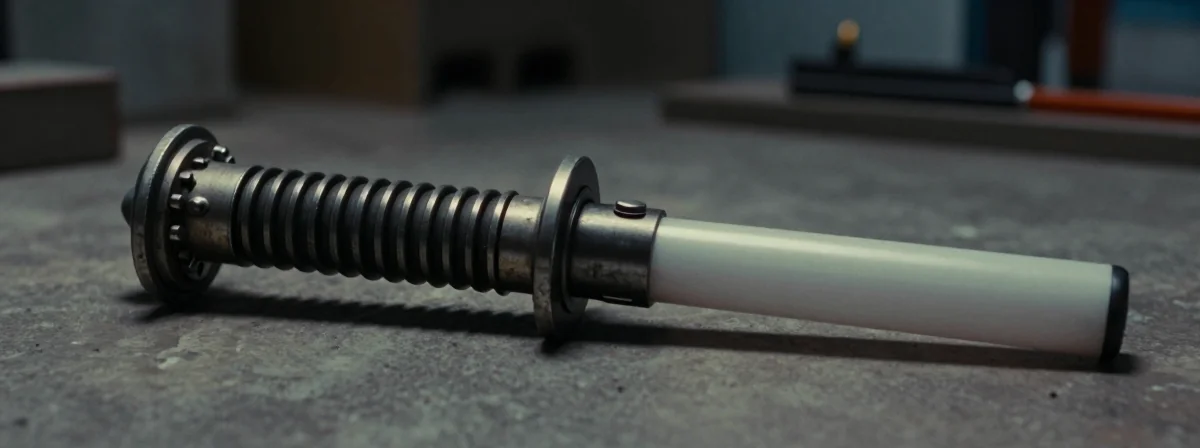
Let’s talk about the more… creative interpretations of Star Wars tech. The “screwsaber”—a screwdriver shaped like a lightsaber—might sound like a joke, but it taps into a real need: tools that are fun to use. When you enjoy using a tool, you’re more likely to use it correctly and maintain it properly.
This is why many modern tools come in fun colors, ergonomic designs, or even themed packages. It’s not just about aesthetics; it’s about making the user experience better. The same goes for the “death star ball gags” and “Darth Vader Hitachis” mentioned in prop discussions—geek culture has always blended fantasy with practicality.
The lesson? Your tools should make you happy. If a “screwsaber” motivates you to tackle that home repair, then by all means, get one. Practicality isn’t just about function; it’s about the whole experience.
From Prop to Prototype: How Star Wars Inspires Real Innovation
Star Wars props often push the boundaries of what’s possible, even if it’s just for show. The Droid Factory scenes in Clone Wars, for example, show presses cranking out droid parts at lightning speed. While that’s夸张 for cinema, it mirrors real-world mass production techniques.
Modern manufacturing has indeed borrowed from these concepts. 3D printing, for instance, allows for complex designs that would have been impossible a few decades ago. And just like the Star Wars props, these innovations often start as experiments before becoming mainstream.
The next time you’re struggling with a DIY project, ask yourself: is there a Star Wars solution? Maybe it’s a tool that does multiple things, or maybe it’s a way to repurpose old parts. The galaxy far, far away has more practical wisdom than you might think.
The Human Element: Why Our Tools Reflect Who We Are
Star Wars props often reflect human (or alien) traits. The stamped metal on droids? It’s about efficiency, but it’s also about appearance. The “screwsaber”? It’s about fun and identity. Our tools say a lot about us, and Star Wars understands this better than most.
Think about it: we choose tools that match our personality, our needs, and even our sense of humor. A mechanic might prefer rugged, no-frills tools, while an artist might opt for colorful, ergonomic ones. Star Wars props cater to this duality—serious engineering with a touch of whimsy.
This is why the most successful tools in the real world strike a balance. They’re functional, yes, but they also resonate with the user on a personal level. Whether it’s a lightsaber-inspired screwdriver or a protocol droid with a heart of gold, the best tools feel like an extension of ourselves.
The Final Question: What Can We Learn From Star Wars Props Today?
Star Wars props aren’t just movie magic; they’re a reflection of real-world design principles. From mass production to user experience, the galaxy far, far away has lessons for anyone who works with their hands. The next time you pick up a tool, ask yourself: is there a better way? Is there a more efficient way? Is there a more fun way?
The answers might just be in a galaxy not so far away. And that, perhaps, is the most practical lesson of all.