
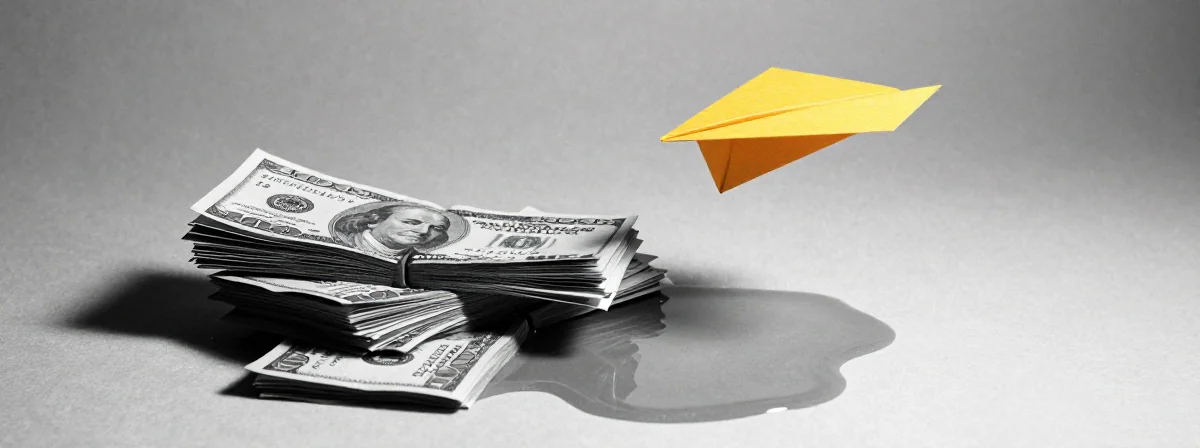
You’re scrolling through the news and see: “The price of gold hit a record high!” You think it’s because someone suddenly discovered a new vein of gold, right? Wrong. It’s because someone was willing to pay that price. And someone else needed to sell at that price. That’s it. That’s the whole game. Now let’s talk about what that really means for you and your money.
Your Game Plan
Money Is Just an Agreement
Think about it. A dollar bill isn’t inherently worth anything. It’s just paper. Its value comes from the collective agreement that it represents something. Like any other agreement, it can change. If enough people decide they no longer trust that paper, its value drops. It’s not magic — it’s social contract. And you’re part of that contract every time you accept money as payment.Supply and Demand Rule Everything
Whether it’s dollars, euros, gold, or even beef, the price is set by the tension between people who need to sell and people who need to buy. Someone desperate to sell will take less. Someone desperate to buy will pay more. The last trade becomes the “price.” It’s not decided by a committee or a government — it’s the result of millions of individual decisions. Every single day.Governments Try to Control the Game — But Can’t Always Win

Some countries peg their currency to the US dollar or even gold. Sounds stable, right? Not quite. To maintain that peg, the central bank has to actively buy or sell its currency. It’s like trying to hold a beach ball underwater — you have to keep pushing. If the market decides the peg is wrong, the bank runs out of steam. The peg breaks. And the “official” price becomes meaningless.
- Printing Money Doesn’t Make You Rich
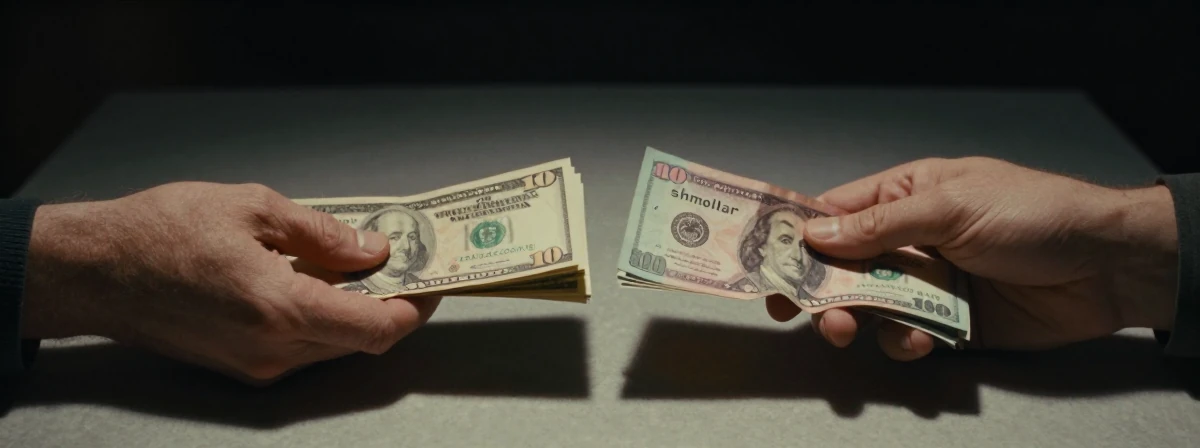
If I have 10 shmollars and you have 10 dollars, and we trade 1:1, that’s fair. But if I suddenly print 90 more shmollars and now have 100, would you still trade 1:1? No way. Your 10 dollars are still worth what they were. My 100 shmollars are now worth less because I diluted the supply. This is why governments printing money without backing it with value leads to inflation. It’s not magic money — it’s just making the existing money worth less.
Traders Move Markets Before Anything Actually Changes
A company gets paid $1 billion in dollars but needs local currency to buy land. Tourists exchange cash. Workers send money home. These transactions shift currency values constantly. But even before any of that happens, traders bet on future changes. If news suggests a country might have economic trouble, traders sell that currency before the trouble hits. The price drops because the perception of value has changed. Nothing physical has even happened yet.Your Belief Matters More Than You Think
Economic value shifts based on expectations all the time. A government announces a new policy, and money moves before the policy even takes effect. Why? Because people believe it will change the future. This isn’t just abstract — it’s how markets work. If you trust a currency, you hold it. If you don’t, you sell it. Your belief, and the beliefs of millions like you, literally shape the value of money.The Market Is Too Complex for Anyone to Fully Control
Central banks try. Governments try. But with trillions of dollars moving across borders every day, influenced by everything from crop yields to political scandals, no single entity can truly dictate value. The best they can do is influence the flow. The rest is up to the collective wisdom (and sometimes panic) of the market. It’s chaotic. It’s unpredictable. And that’s why it’s so fascinating.
Make It Happen
The next time you see a headline about currency values or commodity prices, remember: it’s not about some hidden conspiracy or magical forces. It’s about human behavior — millions of people making decisions based on what they need, what they fear, and what they believe. The value of money isn’t fixed. It’s fluid. It’s dynamic. And it’s always in motion. So pay attention. Because understanding the game is the first step to playing it — or at least, not getting swept away by it.