
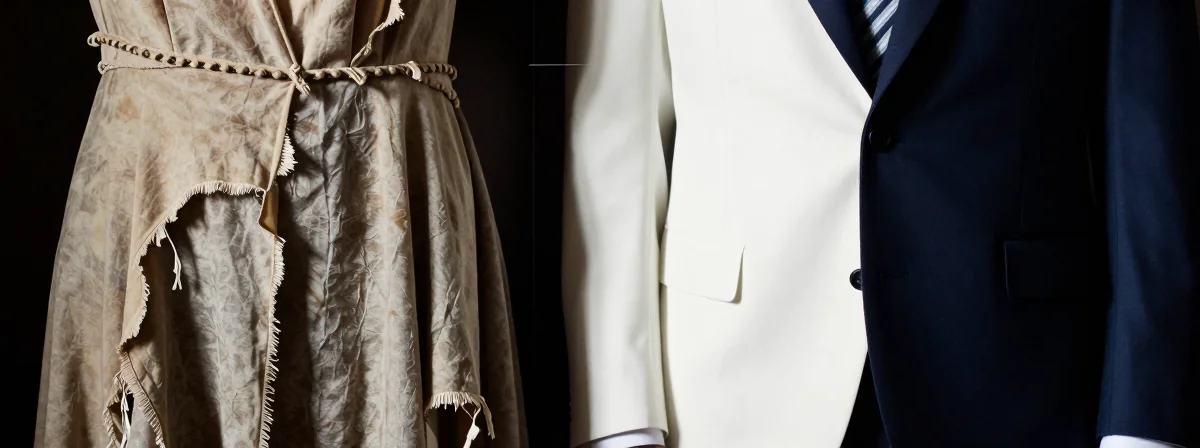
Some days, you walk into a clothing store feeling excited to refresh your wardrobe, only to leave feeling frustrated. You might notice it first in the pockets—women’s pants have tiny, useless slits, while men’s jeans offer deep, functional storage. Then there’s the durability: a $50 women’s dress might fall apart after a few washes, while a $30 men’s shirt lasts for years. Why is this? The answer isn’t just about quality—it’s about design, social norms, and a system that often forgets women’s needs.
Fashion isn’t just about style; it’s about function, comfort, and longevity. Yet, for decades, women’s clothing has been designed with aesthetics over practicality. Men’s clothes, on the other hand, often prioritize durability and utility. This isn’t a coincidence—it’s a reflection of how society values different genders’ experiences. Let’s unpack the hidden truths behind why women’s clothes fall short and how you can reclaim your wardrobe.
Why Do Women’s Clothes Lack Pockets? The Hidden History
Pockets seem like a small detail, but they reveal a larger problem. Historically, women’s fashion was designed to be decorative, not functional. In the 18th and 19th centuries, women’s clothing was meant to showcase wealth and status—pockets would have been seen as “unfeminine.” Even today, many designers still prioritize a sleek silhouette over practicality.
But pockets aren’t just convenient; they’re empowering. A woman’s ability to carry her phone, keys, or wallet without a bag is a small act of independence. Men’s clothing, by contrast, often includes multiple pockets—sometimes eight or more in a single pair of pants. This isn’t an accident; it’s a reflection of how men’s needs have been taken seriously in design.
Consider this: when a cis woman starts wearing men’s clothing, she often notices the difference immediately. “My men’s pants have like 8 pockets,” one woman shared. “And they’re much more durable.” It’s a simple observation, but it highlights a deeper issue—women’s clothing is often designed to be seen, not used.
The Durability Dilemma: Why Women’s Clothes Fall Apart Faster
Ever wonder why a $100 women’s coat might last half as long as a $50 men’s jacket? The answer lies in the materials and construction. Men’s clothing, particularly workwear and casual items, is often made with heavier fabrics, reinforced stitching, and practical designs. Women’s clothing, especially in fast fashion, prioritizes trend over toughness.
This isn’t just about cost—it’s about respect. When women’s clothes are designed to be disposable, it sends a message that women’s needs don’t matter. A professor who values durable pants had to turn to brands like Duluth Trading Co. and Dovetail Workwear, which offer high-quality options. “I like having pants that can take a beating,” she said. “And one of the upsides of being a professor is that the dress code is pretty loose.”
The problem isn’t just in the materials; it’s in the mindset. Women’s clothing is often seen as secondary—something to be replaced seasonally rather than invested in long-term. Men’s clothing, particularly in work and casual wear, is built to last. Until designers start treating women’s clothing with the same respect, the disparity will continue.
Size Inconsistencies: The Never-Ending Frustration
Women’s clothing sizes are a labyrinth of confusion. A size 6 in one brand might be a size 10 in another, and even then, the fit can be off. Men’s clothing, by contrast, is typically sized by waist and inseam—straightforward measurements that actually correspond to real dimensions.
One man described his experience buying pants: “I left with 4 pairs of pants, sizes 32-40 waist that all fit the same.” For women, this level of consistency is a rare luxury. The frustration isn’t just about the hunt; it’s about the lack of trust in the system. When you can’t rely on sizes, you’re forced to try on countless options, wasting time and energy.
This isn’t just an inconvenience; it’s a symptom of a larger issue. Women’s bodies are diverse, yet the fashion industry often treats them as a monolith. Men’s clothing, while not perfect, at least offers a starting point based on real measurements. Until women’s sizes are standardized, the struggle will remain.
The Temperature Trap: Why Women Feel the Cold (and Men Feel the Heat)
Have you ever noticed that women often bundle up in layers while men complain about being too hot? It’s not just a stereotype—it’s rooted in biology and socialization. Testosterone tends to make men run hotter, while estrogen makes women run colder. This isn’t just about comfort; it’s about how our bodies regulate temperature.
An intersex individual who has experienced both hormonal states explained it this way: “When I was T-dominant, I was always hot—like unbearably hot. Anything above 70°F was intolerable. But when I was E-dominant, I could wear a hoodie in 80°F and feel fine.” This isn’t just personal experience; it reflects broader patterns.
The thermostat debate isn’t just about preference; it’s about how our bodies function. Women’s clothing, with its focus on thin fabrics and decorative layers, often doesn’t account for this. Men’s clothing, particularly in colder climates, is designed with warmth in mind. Until designers start considering women’s thermal needs, the discomfort will persist.
Beyond Fashion: The Social and Physical Realities of Gendered Clothing
Clothing isn’t just fabric; it’s a reflection of how society views gender. Women’s clothes are often designed to be seen, not worn. Men’s clothes are designed to be functional, durable, and practical. This isn’t just about style; it’s about respect.
Consider the experience of a trans man who noticed how differently he was treated when buying tech. As a woman, he was assumed to be buying a gift for a boyfriend; as a man, he was taken seriously. This isn’t just about clothing; it’s about how gender shapes every interaction, even in something as simple as shopping.
The same applies to physical realities. Boobs get in the way, long hair is a chore, and makeup takes time—these aren’t choices; they’re societal expectations. Men don’t typically face these struggles, and until we acknowledge that, the disparities will continue.
The Path Forward: How to Reclaim Your Wardrobe
The good news? You don’t have to accept the status quo. There are brands—like the ones mentioned earlier—that prioritize durability, pockets, and practicality. You can also advocate for change by supporting designers who listen to women’s needs.
Start by asking yourself: what do I really need in my clothing? Is it style, or is it function? More often than not, the answer is both. By demanding better, we can push the industry to evolve.
The fashion secret isn’t just about pockets or durability; it’s about recognizing that women’s needs matter. When we start designing clothing with practicality in mind—not just aesthetics—we’ll create a wardrobe that truly serves us. And that’s a fashion revolution worth fighting for.